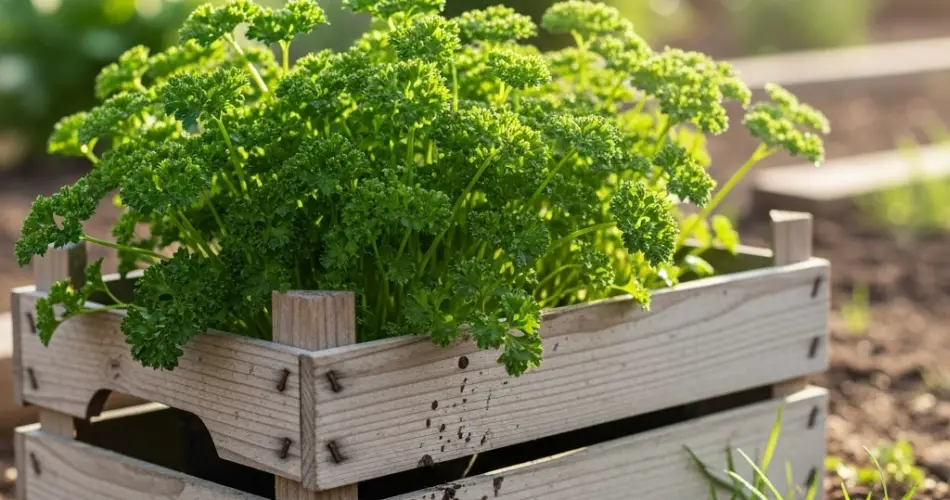
Parsley is one of the most versatile and aromatic herbs you can grow at home. Its bright green leaves add fresh flavor to soups, salads, sauces, and garnishes, making it an essential ingredient in many kitchens. For gardeners with limited space, wooden crates provide an efficient, sustainable, and attractive solution for growing parsley. Turning wooden crates into productive parsley beds allows you to enjoy fresh herbs at your fingertips while maximizing small spaces like balconies, patios, or compact backyard areas.
Choosing the Right Crates
Selecting the proper crate is the first step in creating a productive parsley bed. Wooden crates are ideal because they are sturdy, breathable, and help retain soil moisture. Look for crates that are at least 8–10 inches deep to accommodate parsley’s root system. Ensure the crates have drainage holes or create them yourself to prevent waterlogging, which can lead to root rot. Using reclaimed or rustic wooden crates adds charm to your garden while promoting eco-friendly gardening practices. Opt for untreated wood to avoid chemical contamination of the soil.
Preparing Soil for Parsley
Parsley thrives in nutrient-rich, well-draining soil. A mixture of garden soil, compost, and a small amount of coarse sand or perlite creates the perfect medium for healthy growth. This blend ensures proper drainage while supplying essential nutrients for robust root and leaf development. Before planting, incorporate a slow-release organic fertilizer to give seedlings a strong start. Parsley is a moderate feeder, so supplementing with liquid fertilizer every few weeks will maintain vigorous, flavorful foliage throughout the growing season.
Choosing the Right Parsley Variety
Two popular parsley types are curly leaf and flat-leaf (Italian) parsley. Curly leaf parsley is decorative and often used for garnishing, while flat-leaf parsley is preferred in cooking for its robust flavor. Both varieties thrive in crates, but compact or dwarf varieties are particularly suitable for small-space gardening. Choosing the right variety ensures manageable growth and continuous production, providing a steady supply of fresh parsley for your culinary needs.
Planting Parsley in Crates
Parsley can be grown from seeds or transplants. For seeds, sow them about ¼ inch deep in the prepared soil and keep the soil consistently moist until germination, which usually occurs within 2–3 weeks. Once seedlings develop true leaves, thin them to allow 6–8 inches of space between plants for proper airflow and growth. Transplants should be planted at the same depth as in their nursery pots. Position your crates in a sunny spot, receiving 4–6 hours of sunlight per day, although parsley can tolerate partial shade.
Watering and Mulching
Maintaining consistent soil moisture is crucial for crate-grown parsley. Wooden crates can dry out faster than garden beds, so check soil moisture regularly. Water thoroughly when the top inch of soil feels dry, ensuring the roots receive adequate hydration. Mulching with straw, shredded leaves, or coconut coir helps retain moisture, regulate soil temperature, and reduce weeds. Proper watering and mulching encourage healthy roots and vibrant, lush foliage.
Maintaining Healthy Growth
Regular care is essential to keep parsley productive. Trim outer leaves frequently to encourage new growth and prevent the plant from becoming leggy. Fertilize every few weeks with a balanced liquid fertilizer to support continuous growth. Monitor for pests such as aphids, caterpillars, or slugs, which can be managed using organic solutions like neem oil or insecticidal soap. Removing yellow or damaged leaves promotes plant health and encourages steady leaf production.
Harvesting Parsley
Parsley is ready for harvest once the leaves are large, healthy, and flavorful. Use scissors or garden shears to cut the outer leaves first, leaving the inner growth intact to continue developing. Regular harvesting encourages continuous production and ensures a steady supply of fresh parsley. Harvested parsley can be used immediately, stored in the refrigerator for short-term use, or dried for long-term storage.
Final Tips for Crate Gardening Success
Turning wooden crates into parsley beds is a practical, sustainable, and attractive way to grow herbs in small spaces. Choosing the right crate, preparing nutrient-rich soil, and maintaining consistent watering are key to success. Supporting plant growth with regular trimming, fertilization, and pest management ensures healthy, productive parsley plants. Using reclaimed wooden crates not only promotes sustainability but also adds rustic charm to balconies, patios, or backyard gardens. With proper care, your crate-grown parsley will provide fresh, aromatic leaves at your fingertips, making home cooking and gardening both convenient and rewarding.


