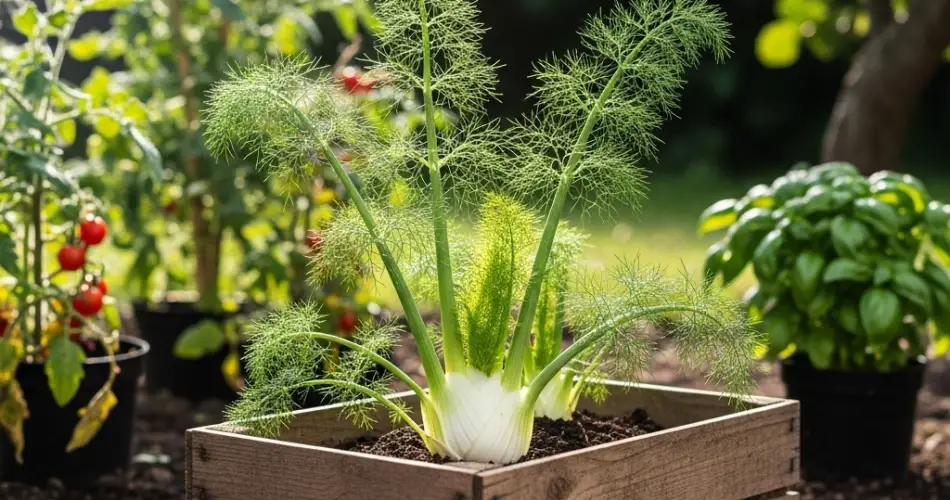
Fennel, with its feathery green fronds and crisp, aromatic bulbs, is a versatile plant that brings both beauty and flavor to any garden. It can be used in salads, roasted dishes, teas, and even as a natural digestive aid. While many gardeners assume fennel requires spacious garden beds, the truth is that this flavorful plant grows wonderfully in crates. By repurposing wooden crates into planters, you can enjoy homegrown fennel in your backyard, even if you have limited space.
Why Crates Work Well for Fennel
Crates are an excellent choice for growing fennel because they provide both depth and width for root development. Unlike shallow pots, crates allow the plant’s bulb to expand properly without becoming stunted. They are also lightweight, easy to move, and add a rustic touch to your backyard.
Using crates as planters is also a sustainable practice. Repurposed wooden boxes reduce waste while providing a natural environment for your plants. With proper preparation, crates can last several growing seasons and support not only fennel but also other herbs and vegetables.
Preparing the Crates
To prepare a crate for fennel, start by selecting a sturdy wooden box that’s at least 12–16 inches deep. The depth is essential because fennel bulbs need space to develop underground. Drill several drainage holes at the bottom to prevent waterlogging, which can lead to root rot.
Line the inside of the crate with burlap, landscape fabric, or thick newspaper to hold the soil in place while still allowing excess water to drain. If the wood is untreated, consider applying a natural, non-toxic sealant to prolong the life of the crate and protect it from outdoor weather. Finally, elevate the crate slightly with bricks or pot feet to improve airflow underneath.
Soil Requirements for Fennel
Fennel thrives in fertile, well-draining soil. A good mix for crate growing is:
-
50% high-quality potting soil for aeration
-
30% compost or aged manure to provide organic nutrients
-
20% sand or perlite to improve drainage and prevent compacting
Fennel prefers a soil pH between 6.0 and 7.0. Before planting, mix in a handful of organic fertilizer or bone meal to encourage strong bulb development.
Planting Fennel in Crates
You can grow fennel from either seeds or seedlings. Seeds are often more reliable since fennel doesn’t like being transplanted once it begins forming its bulb. Sow seeds about ¼ inch deep, spacing them 10–12 inches apart to allow bulbs to grow without crowding.
If you prefer using seedlings, plant them very gently to avoid disturbing the roots. Place the crate in a sunny location, as fennel needs at least 6 hours of full sun daily to thrive.
Watering and Feeding
Consistent moisture is key to producing tender, crisp fennel bulbs. Water regularly to keep the soil evenly moist but not soggy. Since crates can dry out faster than ground soil, check moisture daily during warm weather.
Feed your fennel with a balanced organic fertilizer every 3–4 weeks. Liquid seaweed or compost tea works especially well to support both leaf growth and bulb development. Avoid overfeeding with nitrogen-heavy fertilizers, as these encourage foliage growth at the expense of bulb size.
Caring for Crate-Grown Fennel
To ensure healthy growth, keep your crate weed-free, as weeds can compete for nutrients in a confined space. Mulching with straw or shredded leaves helps retain moisture and regulate soil temperature, which is especially helpful in crates that dry out quickly.
Keep an eye out for pests like aphids, slugs, or caterpillars. Most of these can be controlled by handpicking, spraying with a mild soap solution, or encouraging natural predators such as ladybugs.
Harvesting Fennel
Fennel bulbs are usually ready to harvest about 80–100 days after planting. Harvest when the bulbs are about the size of a tennis ball—firm, white, and plump. Use a sharp knife to cut the bulb just above the soil line.
If you prefer a continuous supply, stagger your plantings every few weeks during the growing season. This ensures fresh bulbs at different times instead of all at once. The feathery fronds can also be harvested throughout the season for garnishes, salads, or herbal teas.
Benefits of Growing Fennel in Crates
Crate gardening offers several advantages for fennel growers:
-
Space efficiency – Perfect for backyards, patios, or small gardens
-
Mobility – Easy to move to sunnier spots or sheltered areas during storms
-
Soil control – You control the soil mix, reducing the risk of poor drainage or nutrient deficiencies
-
Eco-friendly – Repurposed crates reduce waste and add rustic charm to outdoor spaces
Final Thoughts
Growing fennel in crates is a simple, effective, and rewarding way to add this crisp, aromatic plant to your backyard garden. With the right soil mix, careful watering, and consistent care, your crate-grown fennel will thrive and reward you with delicious bulbs and flavorful fronds. Whether you use it in salads, soups, or roasted dishes, fresh homegrown fennel adds a burst of flavor and freshness that store-bought varieties simply can’t match.
By reusing crates and practicing small-space gardening, you not only enjoy healthier, more flavorful produce but also create a sustainable gardening setup that enhances your backyard’s beauty.


