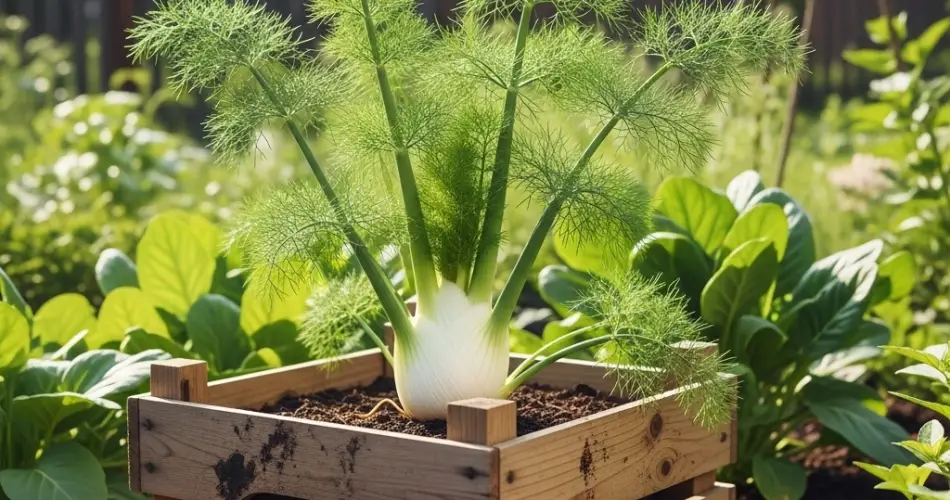
Fennel is a fragrant and versatile herb prized for its crisp, flavorful bulbs and aromatic fronds. It’s a staple in Mediterranean cooking and a delightful addition to salads, soups, and roasted dishes. While fennel is often grown in garden beds, it can also thrive in small spaces when cultivated in wooden crates. This rustic approach to backyard gardening maximizes limited space, promotes sustainability, and creates a charming, productive herb garden. With proper care, fennel grown in crates can provide fresh, flavorful leaves and bulbs throughout the season.
Choosing the Right Crates
Selecting the right crate is the first step in creating a productive fennel garden. Wooden crates are ideal because they are sturdy, breathable, and capable of retaining soil moisture. Choose crates that are at least 12 inches deep and wide enough to accommodate one or two fennel plants comfortably. Adequate drainage is essential, so ensure the crate has holes at the bottom or create them yourself. Using reclaimed or rustic wooden crates adds charm to your backyard while promoting eco-friendly gardening practices. Untreated wood is preferred to avoid chemicals leaching into the soil.
Preparing Soil for Fennel
Fennel thrives in fertile, well-draining soil. A mixture of garden soil, compost, and a small portion of coarse sand or perlite creates the ideal medium for healthy root and bulb development. This combination ensures proper drainage while providing essential nutrients for vigorous growth. Before planting, mix in a slow-release organic fertilizer to supply a steady stream of nutrients throughout the growing season. Although fennel is a moderately heavy feeder, supplementing with liquid fertilizer every two to three weeks will encourage strong foliage and flavorful bulbs. Proper soil preparation is crucial for crate-grown fennel.
Selecting Fennel Varieties
Choosing the right variety is important for small-space gardening. Compact or dwarf fennel types are best suited for crates, as they remain manageable while producing abundant bulbs and fronds. Florence fennel, also known as bulb fennel, is popular for its crisp, edible bulbs. Bronze fennel, with its ornamental purple stems and aromatic foliage, adds visual interest to your garden. Selecting a compact variety ensures that plants grow well within the crate’s limited space while maintaining high productivity.
Planting Fennel in Crates
Fennel can be grown from seeds or transplants. For seeds, sow them about ¼ inch deep in prepared soil and keep the soil consistently moist until germination, which usually occurs within 7–14 days. Thin seedlings to leave one strong plant per space once they develop a few true leaves. For transplants, plant them at the same depth as in their nursery pots. Space plants at least 8–12 inches apart to allow bulbs to develop fully and ensure adequate airflow. Place the crate in a sunny location that receives at least 6–8 hours of sunlight daily, as fennel thrives in full sun.
Watering and Mulching
Consistent watering is essential for container-grown fennel. Wooden crates tend to dry out faster than garden beds, so check soil moisture regularly. Water deeply when the top inch feels dry to ensure moisture reaches the roots. Mulching with straw, shredded leaves, or coconut coir helps retain soil moisture, regulate temperature, and suppress weeds. Proper watering and mulching support healthy root development, promote tender bulbs, and encourage lush, feathery fronds.
Maintaining Healthy Growth
Routine care keeps fennel productive and healthy. Thin plants as needed to prevent overcrowding and ensure proper airflow. Fertilize every few weeks with a balanced liquid fertilizer to maintain nutrient levels. Monitor for pests such as aphids, caterpillars, or slugs, which can be managed with organic methods like neem oil or insecticidal soap. Remove yellowed or damaged leaves to prevent disease and encourage continuous growth. Regular care ensures your fennel remains vibrant and flavorful.
Harvesting Fennel
Fennel bulbs are ready to harvest when they are firm and reach the desired size, typically 3–4 inches in diameter for Florence fennel. Cut the bulb at the base with a clean knife, leaving the roots in place if you want additional side bulbs to develop. Fronds can be harvested throughout the season for culinary use, adding fresh flavor and decoration to dishes. Frequent harvesting encourages continuous production and ensures a steady supply of fresh fennel for your kitchen.
Final Tips for Rustic Crate Gardening
Growing fennel in wooden crates is a practical and sustainable solution for small-space gardening. Selecting the right crate, preparing nutrient-rich soil, and maintaining consistent watering are essential for success. Supporting healthy growth through thinning, fertilization, and pest management ensures productive plants and flavorful harvests. Reclaimed crates not only maximize space but also add rustic charm to your backyard. With proper care, your crate-grown fennel will provide crisp, aromatic bulbs and feathery fronds, creating a rewarding and productive small-space garden.


