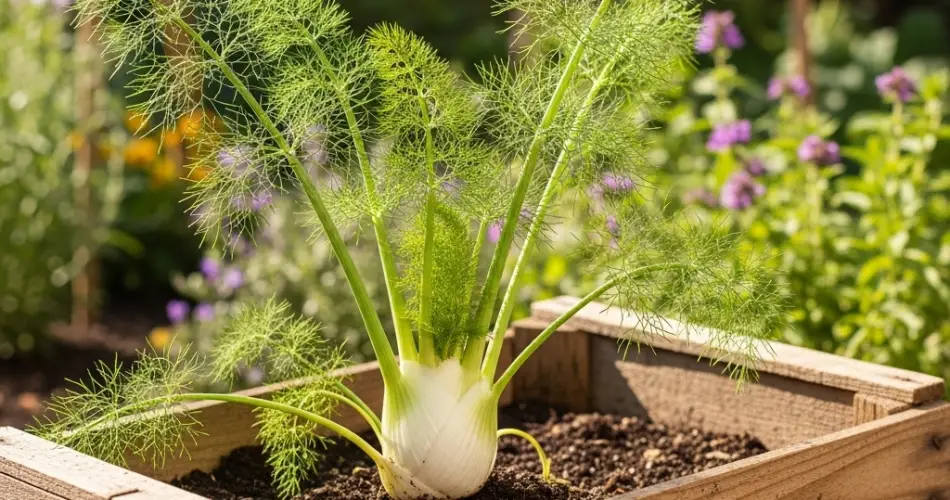
Fennel is one of those plants that delights both the cook and the gardener. Its crisp, bulbous base adds a refreshing crunch to salads and roasts beautifully in the oven, while its feathery fronds offer a delicate flavor for teas and garnishes. Beyond the kitchen, fennel is also prized for its ornamental beauty, with tall stalks and soft greenery that bring elegance to any garden. If you want to enjoy fresh, aromatic fennel but don’t have a large garden plot, growing it in crate beds in your backyard is an excellent solution.
Why Crate Beds Are Perfect for Fennel
Crate beds provide the depth and width fennel needs for its bulb to develop properly. Traditional garden beds work well, but crates offer mobility, space efficiency, and soil control. They are especially useful in small backyards, patios, or spaces where traditional planting areas are limited.
Repurposing wooden crates also adds a rustic touch to your garden while being sustainable. Instead of discarding old wooden boxes, you can give them a second life as productive growing beds. With a little preparation, crates can support multiple growing seasons of fennel and other vegetables.
Preparing Your Crate Beds
To begin, choose a sturdy wooden crate that’s at least 12–16 inches deep. Depth is crucial because fennel bulbs require plenty of room to swell beneath the soil. Drill several drainage holes in the base of the crate to prevent excess water from pooling, which can cause root rot.
Line the inside of the crate with landscape fabric, burlap, or even thick layers of newspaper. This keeps the soil from falling through while still allowing water to escape. If your crate is untreated, consider applying a non-toxic, natural wood sealant to extend its lifespan outdoors. For better drainage and airflow, raise the crate slightly off the ground using bricks or pot feet.
The Best Soil Mix for Fennel
Fennel thrives in rich, well-draining soil. A balanced mix for crate beds includes:
-
50% high-quality potting soil for structure and aeration
-
30% compost or aged manure to provide organic nutrients
-
20% sand or perlite to keep the soil loose and improve drainage
Fennel prefers a soil pH between 6.0 and 7.0. Before planting, enrich the soil with a slow-release organic fertilizer or bone meal to encourage healthy bulb formation.
Planting Fennel in Crates
You can start fennel from seeds or seedlings, though seeds are usually more reliable since fennel dislikes transplanting once the bulb starts forming. Sow seeds about ¼ inch deep, spacing them 10–12 inches apart so each plant has room to grow.
If using seedlings, handle them with extra care to avoid disturbing their roots. Position your crate in a sunny spot where the plants will receive at least six hours of direct sunlight daily. Sunlight is key for developing large, flavorful bulbs.
Watering and Feeding Practices
Fennel grows best in soil that is consistently moist. Since crates dry out more quickly than in-ground beds, check moisture levels often, especially during hot weather. Water deeply when the top inch of soil feels dry.
Feeding is equally important. Use an organic liquid fertilizer, such as seaweed extract or compost tea, every three to four weeks. This helps encourage steady growth without overwhelming the plant. Avoid fertilizers that are too nitrogen-heavy, as these can cause leafy growth at the expense of bulb development.
Caring for Crate-Grown Fennel
Mulching the surface of the soil with straw, shredded leaves, or coco coir helps retain moisture and regulates soil temperature. This step is particularly valuable when growing in crate beds, which can lose water quickly.
Keep an eye out for pests like aphids, slugs, or caterpillars. These can be managed by handpicking, rinsing with a mild soap solution, or encouraging natural predators like ladybugs. Since fennel is aromatic, it often deters many common pests naturally, but vigilance is still important.
Harvesting Crunchy, Aromatic Fennel
Fennel bulbs are typically ready for harvest within 80–100 days of planting. You’ll know they’re mature when the bulb reaches the size of a tennis ball and feels firm and plump. To harvest, cut the bulb just above the soil level with a sharp knife.
For a continuous harvest, stagger your plantings every two to three weeks during the growing season. This ensures a steady supply of fresh fennel bulbs. Don’t forget the fronds—they can be harvested throughout the season and used fresh in soups, salads, or as garnish.
Advantages of Crate Beds for Fennel
Growing fennel in crate beds offers several unique benefits:
-
Space efficiency – Ideal for small backyards and patios
-
Mobility – Crates can be moved to follow the sun or sheltered during bad weather
-
Soil control – You create the perfect growing medium without relying on existing garden soil
-
Sustainability – Repurposed crates reduce waste and promote eco-friendly gardening
Final Thoughts
Backyard crate beds are a practical, attractive, and sustainable way to grow fennel at home. With the right soil mix, regular watering, and proper care, you can enjoy crisp, aromatic bulbs and delicate fronds straight from your backyard. Whether you’re preparing refreshing salads, fragrant teas, or hearty roasted dishes, nothing compares to the flavor of freshly harvested fennel.
By combining the rustic charm of wooden crates with the rewarding experience of growing your own food, you create a garden setup that is both functional and beautiful. Fennel in crate beds proves that even limited backyard spaces can become abundant sources of flavor and freshness.


