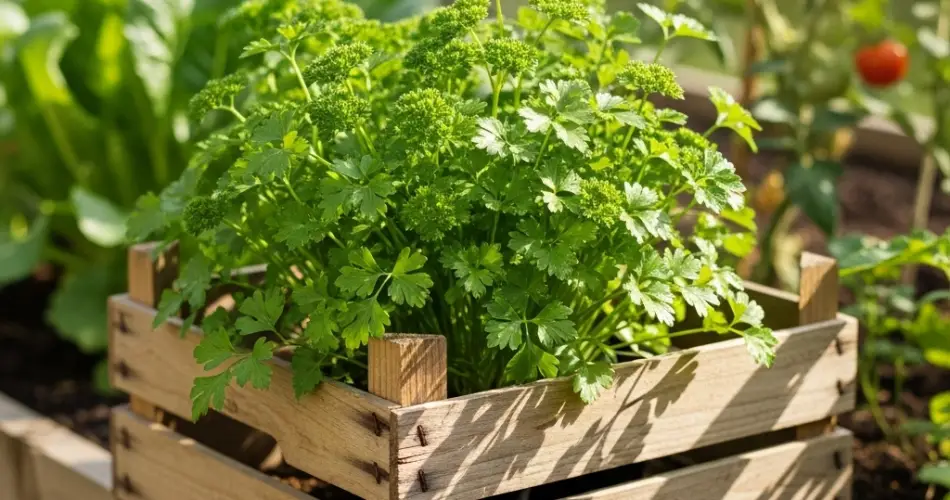
Fresh herbs can transform everyday meals into flavorful delights, and parsley is one of the most versatile herbs to keep at hand. Whether sprinkled as a garnish, blended into sauces, or used to bring depth to soups and stews, parsley has long been a kitchen favorite. The good news is that you don’t need expansive garden beds to grow this bright and fragrant herb. With simple DIY crate planters, you can cultivate vibrant parsley outdoors—even in compact spaces like patios, decks, or small gardens.
Why Crates Make Great Planters for Parsley
Crates are affordable, eco-friendly, and surprisingly practical for growing parsley. Unlike small pots, crates provide a wider planting surface, allowing multiple plants to thrive together. They also offer ample depth for parsley’s roots, which ensures steady growth and healthy leaves.
Beyond functionality, crates bring a rustic charm to outdoor spaces. Repurposed fruit crates or wooden storage boxes add a touch of character, while also promoting sustainability by giving old materials a new purpose. Their portability makes it easy to move your parsley to sunnier spots or shelter them during harsh weather.
Preparing Your DIY Crate Planter
The key to a successful crate planter is proper preparation. Start by selecting a sturdy wooden crate that can handle the weight of soil and water. Check for rot or loose boards and repair as needed. If you want to prolong the life of your crate, apply a coat of natural, non-toxic sealant to protect the wood from moisture.
Parsley requires well-drained soil, so drainage holes are essential. Drill several holes at the bottom of the crate, then line the interior with burlap, landscape fabric, or even thick newspaper. This lining holds the soil in place while still letting excess water escape. If the slats of your crate are wide, consider reinforcing them with planks or a liner so soil doesn’t leak out.
For better air circulation and to prevent water damage, elevate your crate slightly off the ground using bricks, wooden blocks, or pot feet.
The Ideal Soil Mix for Parsley
Parsley thrives in fertile, moisture-retentive soil that drains well. A good mix for outdoor crate planting includes:
-
50% high-quality potting soil to provide structure and aeration
-
30% compost or well-rotted manure to supply essential nutrients
-
20% perlite or coarse sand to improve drainage and prevent root rot
Aim for a slightly acidic to neutral pH between 6.0 and 7.0. To give your parsley an extra boost, mix in a handful of slow-release organic fertilizer before planting.
Planting Parsley in Crates
You can grow parsley from seeds or young seedlings. If starting from seeds, soak them overnight in warm water to soften their hard outer shells and speed up germination. Plant them about ¼ inch deep, covering lightly with soil. Keep the soil consistently moist until seedlings appear—usually in 2–3 weeks.
If using seedlings, space them 6–8 inches apart inside the crate. This spacing ensures that each plant has room to spread out and grow lush, vibrant leaves. Place your crate in a location that receives at least 6 hours of sunlight daily. Parsley also tolerates partial shade, making it adaptable for various outdoor conditions.
Watering and Feeding Routine
Consistent moisture is crucial for parsley. Since crates dry out faster than garden beds, check soil moisture frequently, especially during warm weather. Water whenever the top inch of soil feels dry, but avoid waterlogging, which can lead to root rot.
Every 3–4 weeks, feed your parsley with liquid seaweed, compost tea, or a balanced organic fertilizer. This supports healthy leaf development and ensures a steady harvest. Avoid overfeeding, which may cause overly lush but less flavorful growth.
Caring for Your Crate-Grown Parsley
Parsley is relatively low-maintenance, but small care habits make a big difference. Remove weeds promptly to reduce competition for nutrients. Trim older leaves at the base to encourage fresh growth. If the plants become crowded, thin them by harvesting generously or transplanting extras to another crate.
One advantage of crates is mobility. If the weather turns stormy or frosty, simply move your planter to a sheltered spot, extending your growing season.
Harvesting Your Parsley
Harvest parsley once the leaves are large enough to use, typically when the plant has multiple stems. Always cut from the outer edges, leaving the central shoots to keep growing. Regular harvesting not only provides a continuous supply for your kitchen but also stimulates new, vigorous growth.
Fresh parsley can be used immediately, dried for later use, or frozen to preserve its bright flavor.
Dealing with Pests and Problems
Parsley is generally resilient, but outdoor crate gardens may still attract pests like aphids or caterpillars. To prevent infestations, ensure good air circulation and avoid overwatering. If needed, natural remedies such as neem oil or insecticidal soap can keep pests at bay without harming your crop.
Benefits of DIY Crate Parsley Planters
Growing parsley in crates offers countless advantages:
-
Eco-friendly gardening by reusing materials
-
Space-saving solutions for small yards, decks, or patios
-
Portability to chase the sun or avoid bad weather
-
Continuous harvests of fresh, flavorful herbs
Beyond practicality, crate planters add a decorative touch to outdoor areas, turning them into functional and beautiful herb corners.
Final Thoughts
DIY crate planters make growing vibrant parsley outdoors simple, affordable, and rewarding. With the right preparation, soil, and care, you can enjoy an endless supply of fresh parsley just steps from your kitchen. Whether you have a large backyard or just a sunny patio, this method lets you create a thriving herb garden while adding rustic charm to your outdoor space.


