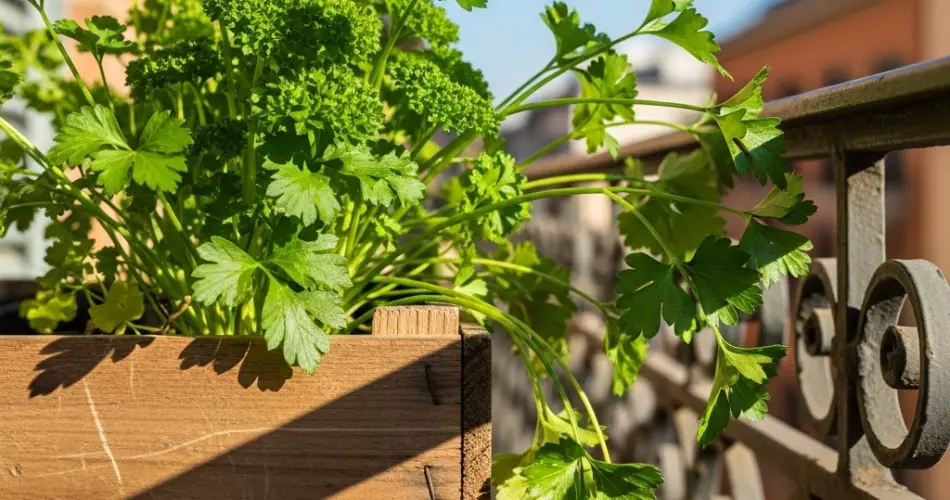
Herbs are a fantastic addition to any home garden, providing fresh flavors for cooking while adding greenery and life to small spaces. Parsley, in particular, is a versatile and easy-to-grow herb that can thrive in limited spaces such as balconies, patios, or kitchen windowsills. One creative and sustainable way to cultivate parsley is by turning old wooden crates into productive garden containers. Not only does this repurpose materials that might otherwise be discarded, but it also adds rustic charm to your garden space.
Choosing the Right Crates
The first step in creating a parsley garden is selecting suitable crates. Wooden crates work best because they are sturdy, allow airflow to the roots, and retain soil moisture effectively. Opt for crates that are at least 8–10 inches deep to accommodate parsley’s root system. Ensure the crates have adequate drainage holes to prevent waterlogging, which can harm the roots. Using reclaimed crates is an eco-friendly choice and adds a rustic aesthetic to your balcony or garden. Make sure the wood is untreated to avoid harmful chemicals leaching into the soil.
Preparing the Soil
Parsley grows best in nutrient-rich, well-draining soil. A mix of garden soil, compost, and organic matter provides the perfect medium for healthy growth. Adding a small amount of perlite or sand improves drainage and prevents soil compaction. Before planting, incorporate a slow-release organic fertilizer to give seedlings a strong start. Parsley is a moderate feeder, so adding liquid fertilizer every few weeks will support continuous leafy growth. Healthy soil is the foundation for a productive parsley garden.
Selecting Parsley Varieties
There are two main types of parsley commonly grown in home gardens: curly leaf and flat-leaf (Italian) parsley. Curly leaf parsley is decorative and often used for garnishing, while flat-leaf parsley is favored in cooking for its robust flavor. Both varieties are suitable for crate gardening, but flat-leaf parsley tends to thrive better in small container spaces and offers excellent culinary versatility. Choosing compact varieties ensures the plants remain manageable and produce abundant leaves even in limited space.
Planting Parsley in Crates
Parsley can be grown from seeds or small transplants. If starting from seeds, plant them about ¼ inch deep in the prepared soil and keep the soil consistently moist until germination, which can take 2–3 weeks. Thin seedlings to allow at least 6–8 inches of space between plants for proper airflow and growth. For transplants, plant them at the same depth as they were growing in their nursery pots. Position your crate in a location that receives 4–6 hours of sunlight per day. While parsley tolerates partial shade, adequate sunlight ensures vigorous growth and flavorful leaves.
Watering and Mulching
Consistent watering is key for parsley’s health. Wooden crates tend to dry out faster than garden beds, so check soil moisture regularly. Water thoroughly when the top inch of soil feels dry, making sure the water reaches the root zone. Mulching with straw, shredded leaves, or coconut coir helps retain moisture, regulate soil temperature, and reduce weeds. Proper watering and mulching prevent leaves from drying out and support lush, healthy growth.
Maintaining Healthy Growth
Regular maintenance is essential to keep parsley productive. Trim leaves frequently to encourage new growth and prevent the plants from becoming leggy. Fertilize every few weeks with a balanced liquid fertilizer to maintain nutrient levels in the soil. Monitor plants for pests like aphids or caterpillars, which can be controlled with organic methods such as neem oil or insecticidal soap. Removing yellowed or damaged leaves also helps maintain plant health and promotes continuous leaf production.
Harvesting Parsley
Parsley is ready to harvest once the leaves are large and healthy. Use scissors or garden shears to cut outer leaves first, leaving the inner leaves intact to continue growing. Regular harvesting encourages continuous production and ensures a steady supply for cooking. Fresh parsley can be stored in water in the refrigerator or used immediately to garnish dishes, add flavor to soups, or enhance salads.
Final Tips for a Productive Parsley Crate Garden
Turning old crates into parsley gardens is a practical, sustainable, and aesthetically pleasing solution for small-space gardening. Choosing the right crate, preparing nutrient-rich soil, and maintaining consistent watering are key to success. Regular trimming, fertilization, and pest monitoring ensure that plants remain healthy and productive. Using reclaimed materials not only reduces waste but also adds charm to your balcony, patio, or kitchen garden. With proper care, your crate-grown parsley will provide fresh, flavorful leaves throughout the growing season, making it a rewarding addition to any home garden.


