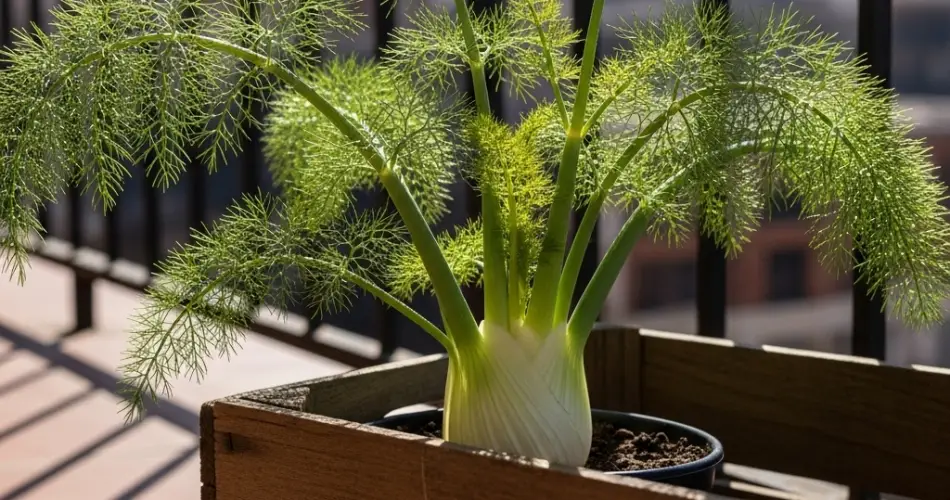
Fennel is a flavorful and aromatic herb-vegetable combination that has been cherished for centuries in both cooking and natural medicine. With its feathery fronds, crisp bulb, and subtle licorice-like flavor, fennel adds character to soups, salads, roasts, and teas. While it’s often thought of as a crop for open garden beds, fennel adapts surprisingly well to container gardening. Using wooden crates as planters, urban gardeners can successfully grow fennel even on compact balconies. With the right setup, you can enjoy fresh fennel bulbs and greens while transforming your balcony into a green, productive space.
Why Choose Crates for Balcony Fennel?
Wooden crates are excellent for urban gardening because they are versatile, eco-friendly, and affordable. They can often be repurposed from storage or shipping, turning simple boxes into thriving planters. Crates provide natural insulation for the soil, protecting roots from temperature extremes—a crucial factor for fennel, which grows best in cooler, stable conditions.
Unlike plastic containers, wooden crates allow better breathability and root aeration. Their rustic charm also enhances the look of your balcony, adding a natural and decorative touch while serving a practical gardening purpose.
Preparing Your Crate
Start with a crate that is at least 12–14 inches deep, as fennel bulbs need space to swell beneath the soil. The crate should also be wide enough to hold multiple plants, with each spaced about 10–12 inches apart. Ensure there are proper drainage holes at the bottom. If necessary, drill several evenly spaced holes to prevent waterlogging.
To extend the life of your crate, line it with landscape fabric or a breathable plastic sheet. This prevents direct contact between soil and wood while still allowing drainage. Place the crate on small pot feet or blocks to improve airflow underneath and protect your balcony surface.
The Best Soil Mix for Fennel
Fennel thrives in loose, fertile, and well-draining soil. A compacted or overly heavy mix can hinder bulb formation. An ideal crate soil blend consists of:
-
40% quality garden loam or potting soil for structure
-
30% compost or well-rotted manure for nutrients
-
20% coco coir or peat moss to improve water retention
-
10% perlite or coarse sand to increase aeration
The soil should be slightly acidic to neutral, with a pH between 6.0 and 7.0. To encourage strong bulb development, mix in an organic fertilizer high in phosphorus and potassium before planting. Avoid too much nitrogen, as this encourages leafy fronds at the expense of the bulb.
Planting Fennel in Crates
Fennel can be grown from seeds or seedlings, but it usually performs best when direct-seeded, as its roots dislike being disturbed. Sow seeds about ¼ inch deep, spacing them 10–12 inches apart. Thin seedlings early to give each plant enough space to develop full bulbs.
If using seedlings, handle them gently during transplanting to avoid root damage. Water thoroughly after planting to help them establish.
Sunlight and Watering Needs
Fennel prefers 6–8 hours of direct sunlight daily. A bright balcony with morning and midday sun is ideal. Insufficient sunlight can result in spindly plants and underdeveloped bulbs.
Consistent watering is also critical. Fennel likes evenly moist soil, especially during the bulb-forming stage. Allowing the soil to dry out too much may cause tough or split bulbs. Check the top inch of soil regularly and water deeply when it feels dry. Mulching the surface with straw or shredded leaves helps conserve moisture and regulate soil temperature.
Fertilizing and Ongoing Care
Since fennel is a moderate feeder, additional nutrition is beneficial during its growth. Apply a liquid fertilizer or compost tea every 3–4 weeks, especially once the plants start forming bulbs. Look for balanced fertilizers with a focus on potassium and phosphorus.
Keep the soil loose and weed-free to avoid competition. Avoid planting fennel too close to other herbs, especially dill and coriander, as it may interfere with their growth due to allelopathic properties.
Common Problems and Solutions
Like many garden plants, fennel may encounter a few challenges:
-
Bolting (premature flowering): Caused by high temperatures or inconsistent watering. Keep soil moist and provide partial shade during extreme heat.
-
Aphids or whiteflies: Spray with neem oil or use insecticidal soap. Companion planting with marigolds can help deter pests.
-
Poor bulb formation: Often due to overcrowding or nitrogen-heavy soil. Thin seedlings and adjust fertilization.
Harvesting Fennel from Crates
Fennel bulbs are usually ready to harvest 70–90 days after planting. Harvest when bulbs are firm, white, and about the size of a tennis ball. Use a sharp knife to cut the bulb at soil level. The feathery fronds can be snipped at any time and used as a fresh garnish or in teas.
If left to flower, fennel also produces seeds that can be harvested for culinary use, adding even more value to your balcony planter.
Final Thoughts
DIY fennel crate planters are an excellent solution for urban gardeners with limited space. With the right soil mix, consistent watering, and proper sunlight, fennel can flourish in wooden crates just as well as in open garden beds. Crates not only provide a practical growing environment but also add rustic charm to balcony gardens.
By growing fennel in this way, you gain access to fresh bulbs, aromatic fronds, and flavorful seeds—all from a compact, space-saving setup. For city dwellers eager to enjoy homegrown produce, crate-grown fennel offers both beauty and taste, making it a valuable addition to any balcony garden.


