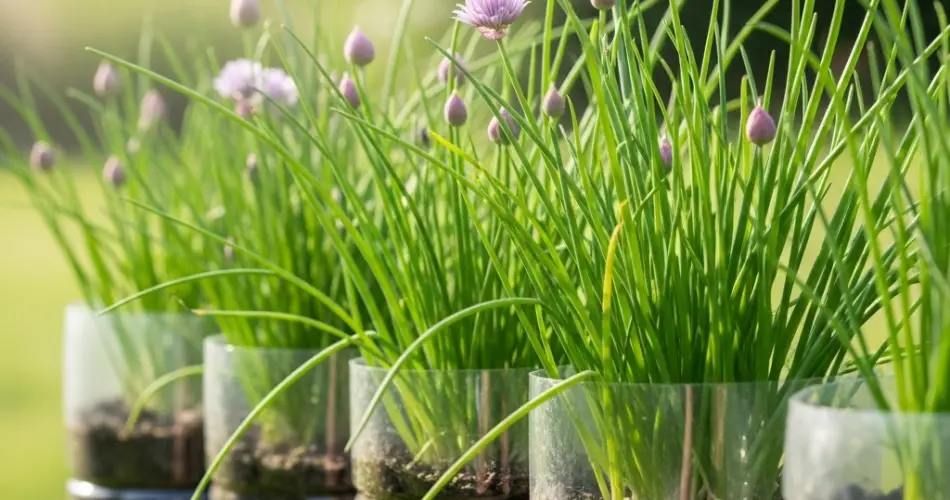
Chives (Allium schoenoprasum) are one of the easiest and most rewarding herbs to grow at home. Their mild onion-like flavor enhances a wide range of dishes, from salads and soups to omelets and dips. Even better, chives are perennial, meaning they return year after year with the right care. If you’re short on garden space or simply want a more sustainable planting method, turning plastic bottles into chive planters is a smart, eco-friendly solution.
Recycling bottles into planters not only saves money, but also reduces plastic waste and allows you to create a compact herb garden just about anywhere—your windowsill, kitchen, balcony, or patio. This step-by-step guide will walk you through how to turn ordinary plastic bottles into productive chive planters.
Why Grow Chives in Plastic Bottles?
Plastic bottles are perfect for growing herbs like chives for several reasons:
-
Space-saving: Ideal for small homes, apartments, or balconies.
-
Low-cost and sustainable: Reuse plastic that would otherwise be discarded.
-
Customizable: Easy to decorate, hang, or stack for vertical gardening.
-
Simple drainage: Easy to add drainage holes and control water flow.
-
Perfect for shallow-rooted herbs: Chives have compact roots that do well in containers.
With the right care, a bottle-grown chive plant can thrive and provide fresh leaves for cooking all year long.
What You’ll Need
To get started, collect these basic supplies:
-
1 clean plastic bottle (1.5 to 2-liter size works best)
-
Sharp scissors or craft knife
-
Chive seeds or seedlings
-
Lightweight potting soil
-
Perlite or sand (optional, for drainage)
-
Small mesh or coffee filter (optional)
-
Marker (for cutting guide)
-
Spray bottle or small watering can
-
String or wire (optional for hanging)
Step-by-Step Instructions
Step 1: Clean and Cut the Bottle
Wash the bottle thoroughly and remove any labels. Let it dry completely.
You can design the planter in one of two ways:
-
Vertical planter: Cut off the top third of the bottle and use the bottom as a pot.
-
Horizontal planter: Cut a rectangular window on one side while keeping both ends intact. This design is great if you want to grow multiple plants in a single bottle.
Mark your cutting lines with a marker and use scissors or a knife to cut carefully.
Step 2: Add Drainage Holes
Use a heated nail, pin, or skewer to poke several holes in the bottom of the bottle. This prevents excess water from pooling and keeps the soil from becoming soggy.
Place a piece of mesh, coffee filter, or breathable fabric over the holes to stop soil from falling out.
Step 3: Prepare the Soil Mix
Chives prefer light, well-draining soil. Use a high-quality potting mix, and consider adding perlite or sand to improve aeration.
Fill the bottle about ¾ full with the soil mix, leaving enough room for watering and planting.
Step 4: Plant the Chives
You can start from seeds or use small transplants.
-
From seeds: Sprinkle the seeds evenly across the surface. Cover with a thin layer of soil (about ¼ inch) and gently press down.
-
From seedlings: Dig small holes and insert the seedlings. Pat the soil down around the roots.
Mist the soil lightly with a spray bottle or water gently to avoid displacing the seeds or roots.
Step 5: Provide the Right Conditions
Chives need at least 4–6 hours of sunlight daily. Place your bottle planter in a sunny window, on a balcony, or on a porch where it can get good light.
If you’re growing indoors, a south-facing window or an area with grow lights will support healthy growth.
Watering and Maintenance
-
Watering: Keep the soil consistently moist but not soggy. Bottles tend to dry out more quickly than traditional pots, so check the soil daily.
-
Feeding: Fertilize with a diluted liquid fertilizer once a month during the growing season.
-
Pruning: Regularly snip the chive leaves to encourage fresh growth. Don’t harvest more than one-third of the plant at a time.
Harvesting Your Chives
Chives are ready to harvest once the leaves reach about 6 inches tall. Use scissors to snip leaves close to the base. Regular trimming will keep the plant healthy and promote continuous regrowth.
You can use the freshly cut leaves to garnish potatoes, soups, scrambled eggs, and more. The flavor is best when chives are used fresh.
Tips for Decorating and Expanding
-
Paint the bottles with fun colors or designs to match your home décor.
-
Label each planter with chalkboard paint or tags.
-
Hang the bottles using wire or string to create a vertical herb wall.
-
Group several bottles together for a compact kitchen garden with multiple herbs.
Final Thoughts
Transforming plastic bottles into productive chive planters is a rewarding and sustainable way to grow fresh herbs at home. With just a few materials and minimal space, you can enjoy a thriving container garden that’s as functional as it is environmentally friendly.
Whether you place it on a sunny kitchen windowsill or hang it on a balcony railing, a bottle-grown chive plant brings both flavor and greenery into your living space. This simple DIY project proves that you don’t need a big garden to enjoy the benefits of homegrown herbs—just a little creativity and one plastic bottle at a time.


