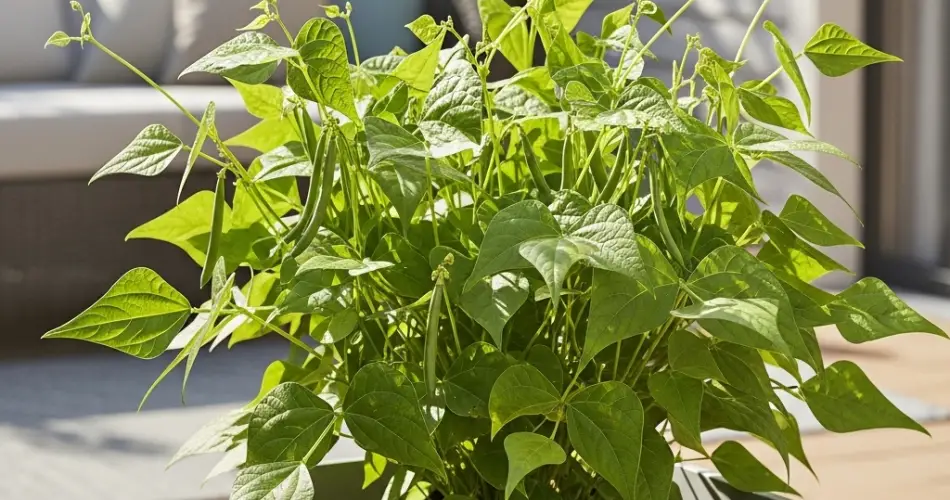
Growing green beans in containers is a fantastic way to enjoy fresh, homegrown vegetables even in small spaces like balconies, patios, or sunny windowsills. But if you want to truly maximize your harvest, trellising becomes an essential technique—especially when growing pole bean varieties. A proper trellis allows your plants to climb upward, improves air circulation, reduces disease risk, and increases overall yield. This guide will walk you through everything you need to know about trellising green beans in containers.
Why Trellis Green Beans?
Not all green beans need a trellis. There are two main types of green beans:
-
Bush beans: These grow low and compact, usually not requiring support. They are ideal for smaller pots and quick harvests.
-
Pole beans: These are climbers and require vertical support. They produce continuously over a longer season and offer much higher yields in the same space.
If you’re growing pole beans, a trellis helps manage their vertical growth, keeps pods off the soil, and makes harvesting easier. In container setups where horizontal space is limited, a vertical trellis system can significantly increase production without taking up extra floor space.
Choosing the Right Container
Before setting up your trellis, it’s important to use the proper container. Look for these features:
-
Minimum depth: 12 inches
-
Width: At least 12–18 inches or larger
-
Material: Durable containers like plastic, clay, fabric grow bags, or wooden planters
-
Drainage holes: Ensure the pot drains well to avoid waterlogging the roots
Make sure your container is stable enough to support a trellis and the weight of mature bean plants.
Soil Mix and Planting
Green beans need light, well-draining soil. Prepare a mix using:
-
60% potting soil
-
30% compost for nutrients
-
10% perlite or sand to improve drainage
Avoid nitrogen-rich fertilizers, as beans fix their own nitrogen and excess nitrogen can lead to leafy growth at the expense of bean production.
Sow seeds directly into the container. Plant them 1 inch deep and 3 inches apart near the base of the trellis. Water gently after planting and keep the soil moist until germination.
Trellis Options for Containers
There are various types of trellises you can use, depending on your space and container size:
-
Bamboo Teepee
Arrange 3–5 bamboo stakes in a cone shape and tie them together at the top. This is a simple, stable design for round containers and allows beans to spiral upward naturally. -
A-Frame Trellis
Ideal for rectangular containers, this design uses two slanted panels that meet at the top. Beans can climb on both sides, doubling the growing area. -
Vertical Netting
Attach garden netting to a frame or between two stakes. This is perfect for long planters and railings and offers great visibility for harvesting. -
Wall-Mounted Trellis
Secure a wooden or wire trellis against a wall or fence and place containers at the base. This saves space and offers support for taller vines.
Whichever design you choose, ensure it is securely anchored to the pot or the ground to avoid tipping.
Training Your Beans
Once your bean plants begin to sprout and send out vines, it’s time to guide them onto the trellis. Pole beans naturally twine in a clockwise direction, so gently wrap the young vines around the support. You may need to repeat this every few days until they establish a firm grip.
Avoid tying the vines tightly; gentle guiding with garden twine or plant clips is enough if needed.
Watering and Maintenance
Container-grown green beans dry out faster than garden-grown ones, especially in warm weather. Here are a few care tips:
-
Water deeply when the top inch of soil feels dry.
-
Mulch the soil surface with straw or dried leaves to retain moisture.
-
Fertilize lightly with compost tea or diluted liquid organic fertilizer every 2–3 weeks during flowering.
Prune any yellowing leaves and remove any weeds or debris from the container to maintain plant health.
Pest and Disease Management
Trellising can reduce the incidence of fungal diseases by keeping leaves dry and improving air circulation. However, pests like aphids, spider mites, and beetles may still show up. Treat infestations early using:
-
Neem oil spray
-
Insecticidal soap
-
Manual removal of pests if manageable
Keep an eye on your plants daily to catch any issues early.
Harvesting for Better Yields
Pole beans typically begin producing around 60–70 days after sowing and will continue as long as you harvest regularly. Pick beans when they’re still tender, about the width of a pencil. Harvesting frequently encourages more pod production and prolongs the harvest window.
Use two hands when harvesting—one to hold the vine and the other to gently pull the pod—to avoid damaging the plant.
Final Thoughts
Trellising green beans in containers is a smart way to maximize yields while conserving ground space. It’s an ideal method for urban gardeners, balcony growers, or anyone with limited gardening space. By choosing the right trellis system, maintaining soil and water needs, and regularly harvesting, you’ll be rewarded with a healthy, climbing green bean crop that’s both decorative and delicious.
Whether you’re adding them to stir-fries, salads, or soups, nothing beats the flavor of freshly picked, homegrown beans grown vertically in containers.


