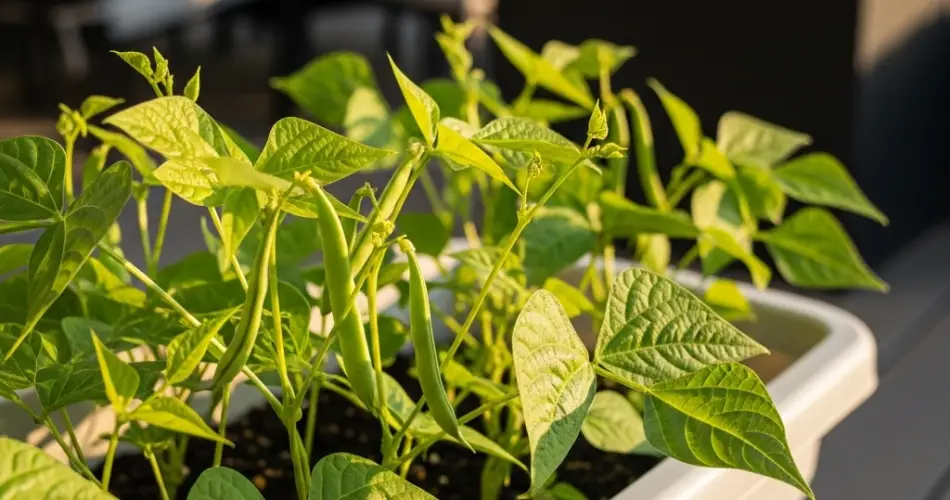
Growing green beans at home doesn’t require a large backyard or a full garden bed. With the right containers and setup, you can harvest crisp, fresh green beans even in tight spaces like balconies, patios, or sunny windowsills. Whether you’re dealing with limited ground space or simply want a more manageable growing system, container gardening is an ideal solution for producing this popular, nutrient-rich vegetable.
In this guide, you’ll learn how to successfully grow green beans in containers—perfect for small-space gardeners or anyone interested in growing food at home.
Why Grow Green Beans in Containers?
Green beans are fast-growing, productive, and easy to manage in pots. They don’t require overly rich soil or constant attention, and they’re well-suited for vertical gardening techniques, which is a big advantage in confined areas.
Benefits of container-grown green beans:
-
Great for beginners and kids
-
Quick maturity (usually 50–60 days)
-
Suitable for patios, balconies, rooftops, or small yards
-
Easier pest and disease control
-
Harvest at your convenience
You also gain the ability to move your plants to catch more sunlight or shelter them during storms.
Choosing the Right Variety
There are two main types of green beans:
-
Bush beans – Compact, self-supporting plants that don’t require staking. Ideal for small pots and tight spaces.
-
Pole beans – Climbing varieties that require support. These take up vertical space but are excellent for producing higher yields in small horizontal areas.
If you have limited space but can grow vertically, pole beans are a productive choice. If you prefer a neater, lower-maintenance plant, go with bush beans.
Some popular varieties for containers include:
-
Provider (bush)
-
Contender (bush)
-
Blue Lake (pole)
-
Kentucky Wonder (pole)
Best Containers for Green Beans
Beans have shallow roots but need width and room for air circulation. Use containers that are:
-
At least 8–10 inches deep
-
12–18 inches wide (for bush beans)
-
Equipped with drainage holes
You can use plastic pots, fabric grow bags, buckets, or even repurposed bins. For pole beans, make sure the container is stable enough to support trellising.
Soil Preparation
Beans do best in well-draining, loose soil with moderate fertility. Avoid heavy, compacted soil.
Ideal mix:
-
60% quality potting soil
-
20% compost or aged manure
-
20% perlite or coarse sand
Green beans prefer a slightly acidic to neutral pH (6.0 to 7.0). Enriching the soil with compost will usually provide enough nutrients for a healthy crop.
Planting Green Beans in Containers
Direct sowing is the best method—green beans dislike transplanting.
Steps:
-
Moisten the soil before planting.
-
Sow seeds about 1 inch deep and 3 inches apart.
-
For bush beans, thin seedlings to give each plant about 4–6 inches of space.
-
For pole beans, plant around a central stake or trellis, spacing seeds about 4 inches apart.
Position your container in a spot that gets at least 6–8 hours of full sun daily.
Supporting Pole Beans
Pole beans require vertical support. Install a trellis, bamboo teepee, or string support at planting time to avoid damaging roots later.
You can create a DIY support using:
-
Bamboo poles tied at the top to form a teepee
-
Garden netting stretched over a frame
-
A tall stake in the middle of the container with string spiraling upward
Bush beans do not need support, making them easier to manage in small or indoor spaces.
Watering and Fertilizing
Beans need consistent moisture, especially during flowering and pod formation. Water when the top inch of soil feels dry. Avoid overwatering, as soggy soil can cause root rot.
For feeding:
-
At planting, mix in compost or a slow-release organic fertilizer.
-
Once flowering begins, side-dress with compost or use a diluted liquid fertilizer every 2–3 weeks.
Avoid high-nitrogen fertilizers, as they encourage leaf growth at the expense of pods.
Pest and Disease Management
Green beans are relatively pest-resistant but watch out for:
-
Aphids and spider mites – Rinse with water or apply neem oil.
-
Bean beetles – Handpick or use insecticidal soap.
-
Powdery mildew – Improve air circulation and avoid overhead watering.
Rotate containers yearly and use clean soil to reduce disease buildup.
Harvesting Green Beans
Green beans are ready to harvest when:
-
Pods are firm and about 4–6 inches long
-
Seeds inside are still small (harvest before they bulge)
Pick beans every 2–3 days to encourage continued production. Use scissors or pinch off pods gently to avoid damaging the plant.
Final Tips for Success
-
Stagger plantings every 2–3 weeks for a longer harvest season.
-
Keep an eye on moisture—container soil dries quickly in warm weather.
-
Turn pots occasionally for even sunlight exposure.
-
After harvesting, compost old plants and refresh the soil before replanting.
With just a few containers and a sunny corner, you can enjoy a steady supply of homegrown green beans. Whether you prefer bushy, tidy plants or climbing vines loaded with pods, container gardening offers a flexible and satisfying way to grow this popular vegetable, no backyard required.


