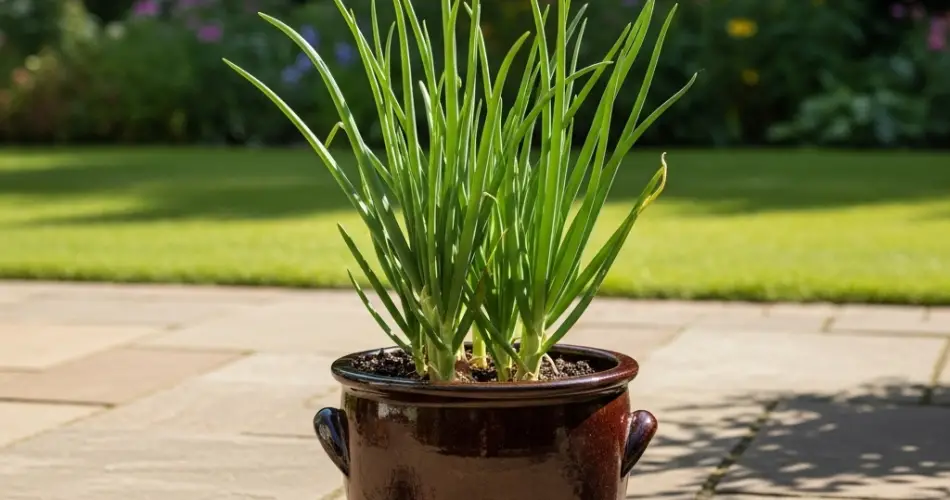
Growing onions in containers is a fantastic way to enjoy fresh, flavorful harvests even if you don’t have a traditional garden. Whether you live in an apartment with a balcony or want to maximize a small patio space, cultivating onions in pots is simple, rewarding, and perfect for beginners. Onions are a staple in the kitchen, and growing your own ensures you always have access to fresh greens or bulbs for your meals.
Here’s how to successfully grow onions in containers and enjoy a steady supply right at your fingertips.
Benefits of Growing Onions in Containers
Onions are among the easiest vegetables to grow in limited spaces. Container gardening makes it possible to:
-
Grow onions year-round in sunny spots
-
Control soil quality and avoid pests
-
Move the container as needed for optimal sunlight
-
Harvest fresh greens or bulbs at your convenience
You don’t need a backyard or raised beds. With a well-placed container, you can grow onions on a windowsill, balcony, porch, or terrace.
Choose the Right Onion Variety
Onions come in several types: green onions (scallions), bulb onions, and multiplier onions. You can grow them from seeds, sets (small bulbs), or transplants.
-
Onion sets are the easiest for beginners. They’re quick to establish and have a higher success rate.
-
Seeds take longer to mature but offer a wider selection of varieties.
-
Transplants are young seedlings that are ready to be planted.
Pick a variety based on your climate:
-
Short-day onions are ideal for regions with mild winters.
-
Long-day onions suit areas with longer daylight hours during summer.
-
Day-neutral onions perform well in most regions regardless of day length.
For container gardening, smaller and day-neutral varieties tend to perform best.
Ideal Containers for Onions
The roots of onions are shallow, but bulbs need room to swell. A good container should be:
-
At least 8–10 inches deep
-
Wide enough to allow 3–4 inches of space between plants
-
Equipped with drainage holes to prevent waterlogging
You can use large pots, trough planters, grow bags, or repurposed plastic bins. Even recycled containers, as long as they have proper drainage, can be adapted for onion growing.
Preparing the Soil
Use a light, well-draining potting mix rich in organic matter. Avoid dense garden soil, which can compact and hinder bulb development.
You can create a suitable mix using:
-
60% quality potting mix
-
20% compost or aged manure
-
20% perlite or coarse sand for improved drainage
Onions prefer soil with a neutral to slightly acidic pH (around 6.0–6.8).
How to Plant Onions in Containers
-
Fill the container with potting mix, leaving 1–2 inches from the rim.
-
Plant sets or transplants about 1 inch deep with the root side down and the pointed end facing up.
-
Space bulbs 3–4 inches apart for bulb onions. For green onions, spacing can be closer (1–2 inches).
-
Water well after planting to help the roots settle.
If starting from seeds, sow them shallowly and keep the soil moist until germination.
Sunlight and Temperature Requirements
Onions need full sun—at least 6–8 hours of direct sunlight per day. Place your containers in a sunny location, such as a south-facing window, balcony, or rooftop.
While onions tolerate cool weather, consistent sunlight and warmth encourage proper bulb development.
Watering and Feeding
Container soil dries out faster than garden soil, so regular watering is key. Keep the soil evenly moist, but not soggy. Let the top inch dry out slightly between waterings to avoid rot.
Fertilize every 2–3 weeks using a balanced, water-soluble fertilizer. Once bulbs begin to swell, switch to a lower-nitrogen fertilizer to promote bulb growth rather than leaf development.
Maintenance and Care
-
Weed control: Minimal in containers, but remove any unwanted growth.
-
Pests: Watch for onion maggots, thrips, or aphids. Neem oil or insecticidal soap can help.
-
Support: As onion tops grow taller, you may need to provide gentle support to keep them upright in windy areas.
Keep the area clean and rotate your containers to ensure all plants receive even sunlight.
Harvesting Onions
You can harvest onions in stages:
-
Green onions (leaves) can be cut when they’re about 6–8 inches tall.
-
Bulb onions are ready to harvest when the tops yellow and flop over.
To harvest:
-
Stop watering about a week before harvest to allow the bulbs to dry out.
-
Gently pull the bulbs from the soil.
-
Allow onions to cure in a dry, ventilated area for 1–2 weeks.
-
Once the outer skin is papery, trim the tops and roots, and store in a cool, dark place.
Final Tips
-
Use containers with ample space to avoid overcrowding.
-
Label your containers with planting dates to keep track of growth stages.
-
Companion plant with herbs like dill or parsley to deter pests naturally.
-
Try staggering plantings every few weeks for a continuous harvest.
With the right setup, growing onions in containers is easy and rewarding. Whether you want a steady supply of green onion tops or plan to harvest full-sized bulbs, container gardening puts fresh flavor within reach—perfect for every home cook.


