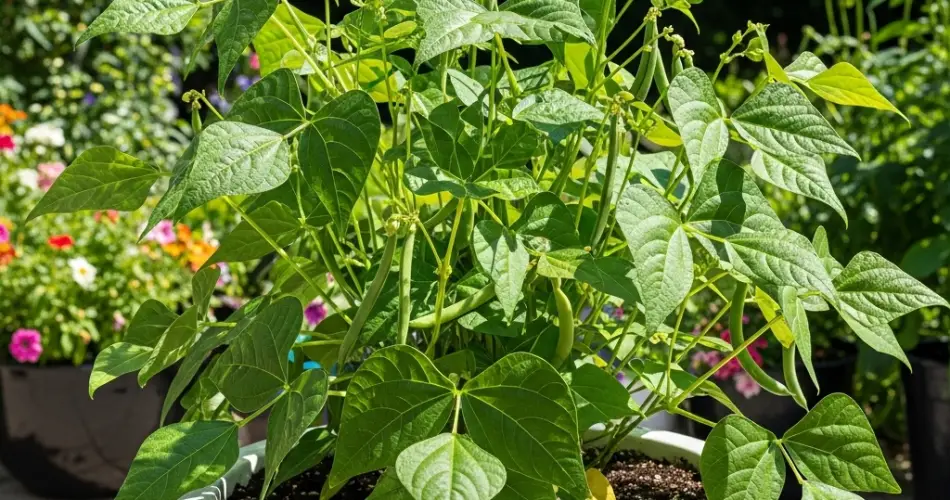
Growing green beans in pots is a practical and rewarding way to enjoy a fresh supply of this nutritious vegetable, even if you don’t have access to a traditional garden. With minimal equipment, a sunny space, and a little care, you can grow green beans from seed to harvest in containers right at home. Whether you’re working with a balcony, patio, or windowsill, this method brings healthy, crisp beans within reach.
Here’s a complete guide to growing green beans in pots—from sowing the seeds to harvesting for your next stir-fry.
Choosing the Right Bean Type
Before planting, it’s important to select the type of green beans best suited for container gardening. There are two main types:
-
Bush Beans: Compact, low-growing plants that are ideal for pots. They don’t require trellising and produce beans all at once.
-
Pole Beans: Taller, vining plants that need support. They yield over a longer period but require more vertical space.
For beginners or small-space gardeners, bush beans are typically easier to manage. However, if you have vertical supports or railing, pole beans can be just as rewarding.
The Best Containers for Beans
Green beans have relatively shallow root systems, but they still need enough room to grow strong and produce pods. Choose containers that are:
-
At least 12 inches deep
-
12–18 inches in diameter for bush beans, or long planters for multiple plants
-
With drainage holes to prevent water from pooling
Materials like plastic, terracotta, or fabric grow bags all work well. If you’re growing pole beans, install a trellis, bamboo stakes, or string supports at the time of planting.
Soil and Fertilization
Beans thrive in loose, well-draining soil that’s rich in organic matter. A good potting mix recipe includes:
-
60% all-purpose potting soil
-
30% compost or aged manure
-
10% perlite or vermiculite for drainage
Beans don’t need heavy fertilization. In fact, they fix their own nitrogen from the air. Over-fertilizing can result in lush foliage but few pods. However, mixing in a small amount of balanced organic fertilizer at planting time helps give your beans a good start.
Planting Green Bean Seeds
Green beans grow best when sown directly into the pot rather than being transplanted. Follow these steps:
-
Fill your container with the prepared soil mix, leaving an inch or so from the top.
-
Sow seeds 1 inch deep and 3–4 inches apart.
-
Water thoroughly after planting and keep the soil moist but not soggy.
-
Place the pot in a location that receives at least 6 hours of full sunlight daily.
Seeds usually germinate within 5–10 days, depending on temperature and moisture.
Watering and Care
Beans in pots require regular watering since containers dry out faster than garden beds. Keep these tips in mind:
-
Water when the top inch of soil feels dry
-
Water deeply until you see drainage from the bottom
-
Avoid splashing water on the leaves to reduce disease risk
Mulching with straw or shredded leaves can help conserve moisture and regulate temperature.
Although beans don’t typically need fertilization during the growing season, you can give a light dose of liquid seaweed or compost tea every few weeks to boost pod production.
Supporting Pole Beans
If you’re growing pole beans, providing proper support is essential. Use bamboo sticks, vertical netting, or even a trellis attached to a wall or railing. Make sure the support structure is in place early so that you don’t disturb the roots later.
As the vines grow, gently guide them toward the support. They will naturally twine upward.
Pest and Disease Control
Container beans are less susceptible to soil-borne diseases, but common pests can still be a problem. Watch out for:
-
Aphids: Use insecticidal soap or a blast of water to remove.
-
Spider mites: Keep humidity up or use neem oil.
-
Slugs and snails: Use crushed eggshells or copper tape around the pot’s base.
Practice crop rotation even in containers to avoid diseases like powdery mildew and rust.
Harvesting Your Beans
Beans are usually ready to harvest 50–60 days after sowing. Pick them when the pods are:
-
Firm but tender
-
About the width of a pencil
-
Before seeds inside become too large and bulging
Frequent picking encourages the plant to keep producing. Use scissors or your fingers to pinch off the pods carefully without damaging the stem.
Bush beans typically produce a flush of beans over 2–3 weeks. Pole beans can continue to yield for several weeks or even months if well cared for.
Final Stir-Fry Tip
Once harvested, fresh green beans can be used immediately in your favorite recipes—from stir-fries to salads or steamed side dishes. Their crisp texture and sweet flavor are hard to beat.
Growing green beans in pots is a rewarding experience, even for first-time gardeners. With just a bit of effort and attention, you can enjoy homegrown vegetables that are as healthy as they are delicious—all from a small space. Whether on a balcony or kitchen windowsill, container green bean gardening proves that you don’t need a large plot to grow big results.


