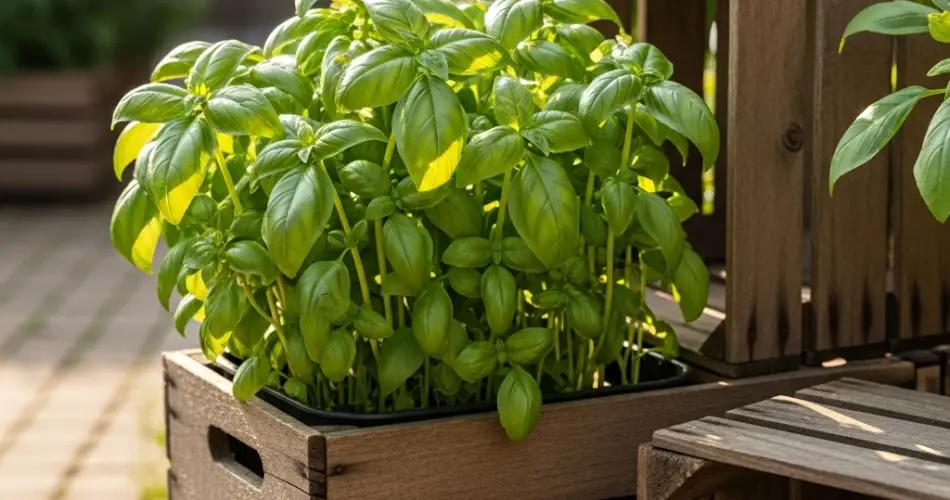
Basil is one of the most beloved culinary herbs, valued for its fragrance, fresh flavor, and versatility in the kitchen. From pasta sauces and pizzas to pestos and salads, basil is an herb that no cook wants to be without. Fortunately, it doesn’t take a sprawling garden to grow a productive basil crop. With a few wooden crates, some soil, and basic care, you can transform even the smallest outdoor space into a thriving basil bed.
Crate gardening is a clever and sustainable method that makes the most of vertical and portable growing spaces. By repurposing crates into mini raised beds, you can enjoy an abundant supply of fresh basil while adding a rustic charm to your patio, balcony, or backyard.
Why Crates Are Ideal for Basil
Wooden crates offer several benefits for growing basil:
-
Space efficiency: Their shallow but wide structure allows for multiple plants to grow in one container.
-
Portability: Crates can be moved to follow the sun or to protect plants from bad weather.
-
Sustainability: Repurposed fruit, wine, or shipping crates reduce waste and give old materials a new life.
-
Good drainage: With proper lining and preparation, crates prevent waterlogging while keeping roots comfortable.
Because basil is sensitive to overwatering and requires consistent sunlight, crates provide the flexibility to create an environment where the herb thrives.
Preparing the Crates
Proper preparation sets the foundation for a productive basil bed.
-
Line the interior: Use landscape fabric, burlap, or heavy-duty plastic with drainage holes. This holds the soil in place while allowing excess water to escape.
-
Add drainage material: Place a shallow layer of gravel, pebbles, or broken terracotta pieces at the bottom. This helps keep roots from sitting in overly damp soil.
-
Choose the right soil mix: Basil thrives in light, fertile soil. A good mix consists of potting soil, compost, and perlite or coarse sand in equal proportions. This blend provides nutrients, aeration, and moisture retention without becoming compacted.
Planting Basil in Crates
You can start basil either from seeds or seedlings. Seeds should be sown about ¼ inch deep in moist soil. They generally germinate within a week. If you prefer a head start, purchase healthy seedlings from a nursery.
When planting multiple basil plants in a single crate, space them 8–10 inches apart. This ensures each plant has enough room to branch out and produce plenty of leaves. Position the crate in a sunny spot where it will receive at least six hours of direct sunlight daily. Basil loves warmth and struggles in temperatures below 50°F (10°C), so crates can be moved indoors or to sheltered areas when nights are cool.
Watering and Routine Care
Basil enjoys slightly moist soil, but too much water can quickly lead to root rot. Always check the soil before watering—if the top inch feels dry, it’s time to add moisture. Water deeply at the base of the plant rather than overhead to avoid fungal issues on the leaves.
Regular harvesting is the secret to bushy, productive basil. Once plants reach about six inches tall, pinch off the top set of leaves above a leaf node. This encourages branching and prevents the plant from becoming leggy. Continue this practice throughout the season to maintain healthy growth and maximize harvests.
Fertilizing Basil Beds
Because crate-grown basil depends entirely on the nutrients you provide, feeding is essential. Use a balanced, water-soluble fertilizer every two to three weeks, diluted to half the recommended strength. Organic options like compost tea, worm castings, or fish emulsion are excellent for adding nutrients without overwhelming the plants. Regular feeding results in strong, flavorful leaves that are perfect for cooking.
Pest and Disease Control
Basil is relatively hardy, but pests like aphids, spider mites, and whiteflies may appear. A simple spray of water mixed with mild soap can control most small infestations. For a natural solution, encourage beneficial insects such as ladybugs in your garden.
To prevent fungal issues like downy mildew, provide good air circulation by not overcrowding plants and avoiding excess moisture. Proper crate spacing and pruning can help reduce these problems significantly.
Harvesting Fresh Basil
You can begin harvesting basil leaves about four to six weeks after planting. The best method is to pinch stems just above a pair of leaves. This not only provides you with fresh leaves but also stimulates new growth. Avoid removing more than one-third of the plant at a time to prevent stress.
With consistent care, a crate of basil can provide a steady harvest all season long. Extra leaves can be dried, frozen, or turned into pesto to enjoy even after the growing season ends.
Final Tips for Success
-
Place crates where they get maximum sunlight.
-
Rotate crates occasionally to promote even growth.
-
Refresh soil with compost between plantings to maintain fertility.
-
Pair basil with crate-grown tomatoes or peppers for natural companion planting benefits.
Conclusion
Transforming crates into basil beds is a simple, cost-effective, and rewarding way to enjoy fresh herbs at home. With proper preparation, soil care, and harvesting techniques, you can keep a steady supply of basil within arm’s reach. Whether used in your favorite recipes or preserved for later, fresh basil from a crate garden adds both flavor and freshness to your meals.


