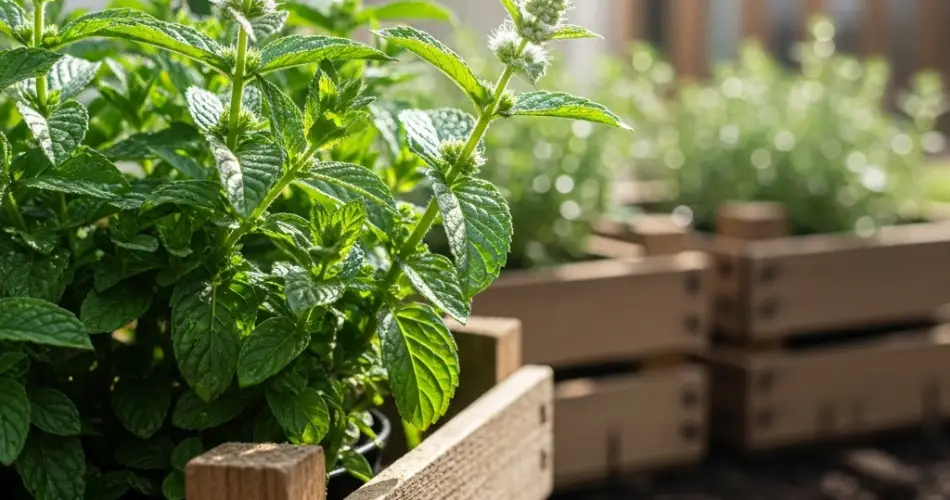
Mint is one of the easiest and most rewarding herbs to grow, making it perfect for both beginner and experienced gardeners. Known for its refreshing aroma and versatile uses in teas, drinks, salads, and desserts, mint quickly becomes a household favorite. However, this herb can spread aggressively if planted directly in the ground, often overtaking garden beds. That’s why growing mint in containers, particularly in repurposed wooden crates, is an excellent solution.
A DIY mint crate garden is not only practical but also sustainable. It allows you to recycle materials, save space, and create a rustic, green feature for your balcony, patio, or backyard. With a little preparation and care, your crate can turn into a thriving mini garden filled with fresh mint leaves ready for harvest.
Why Choose Wooden Crates for Mint?
Wooden crates make excellent planters because they provide plenty of space for root growth while offering good airflow and drainage. They are sturdier than plastic pots and bring a natural, rustic charm to your garden. Since mint tends to spread quickly, keeping it contained in a crate helps control its growth while ensuring it doesn’t take over other plants in your outdoor space.
Crates are also eco-friendly since they often come from recycled materials, such as old fruit or wine boxes. Repurposing them reduces waste while giving you a stylish and functional planter.
Preparing the Crate
Before planting, you’ll need to prepare your crate to make sure it can support healthy growth. Here’s how:
-
Line the inside – Use burlap, landscape fabric, or even old cloth to line the crate. This prevents soil from falling through gaps while still allowing drainage.
-
Add drainage holes – If the bottom of the crate is solid wood, drill a few holes to allow excess water to escape. Proper drainage is essential to prevent root rot.
-
Optional protection – To make your crate last longer, line the interior with a thin sheet of plastic, making sure to poke holes at the bottom for drainage. This keeps the wood from rotting while still letting water flow out.
Once prepared, the crate is ready to be filled with soil and planted with mint.
The Ideal Soil Mix for Mint
Mint thrives in rich, moist, but well-draining soil. For best results, create a soil mix with:
-
50% quality potting soil for structure and nutrients
-
30% compost to provide organic matter and slow-release nutrients
-
20% perlite or coarse sand to improve drainage and aeration
This blend ensures that the soil retains enough moisture for mint, which prefers slightly damp conditions, while still preventing waterlogging.
Planting Mint in Crates
Mint can be grown from seeds, cuttings, or seedlings. While seeds are an option, starting with cuttings or small plants is usually faster and more reliable. If using cuttings, simply place them in water until roots develop, then transplant them into the crate.
When planting, space the mint plants about 8–10 inches apart. A medium-sized crate can comfortably hold two to three plants, creating a dense, bushy herb garden over time.
Caring for Your Mint Crate Garden
Mint is a hardy plant that doesn’t require much attention, but a few care tips will keep it healthy and productive:
-
Sunlight: Mint prefers partial shade to full sun. Place your crate in a spot that gets 4–6 hours of sunlight each day. Too much direct sun can dry the soil quickly, while partial shade keeps it moist and cool.
-
Watering: Keep the soil consistently moist but not soggy. In hot weather, you may need to water daily, especially since wooden crates can dry out faster than larger garden beds.
-
Fertilizing: Mint grows well with occasional feeding. A diluted liquid fertilizer or compost tea every 3–4 weeks will provide the nutrients it needs to stay lush.
Harvesting Mint
The beauty of growing mint is that you can harvest it regularly. Once the plants reach about 6–8 inches tall, start pinching off the top leaves. This not only gives you fresh herbs for your kitchen but also encourages the plant to grow bushier and produce more leaves.
Harvesting frequently keeps the plant in its best condition and prevents it from flowering too soon. If flowers do appear, pinch them off immediately, as flowering can reduce the flavor intensity of the leaves.
Benefits of a Mint Crate Garden
A mint crate garden offers many advantages beyond providing fresh herbs. It adds greenery to your space, enhances air quality, and creates a refreshing aroma whenever you brush past the plants. The portable nature of crates also makes it easy to move them around to find the best light or to redecorate your space.
Another benefit is sustainability. By reusing wooden crates, you reduce waste and contribute to eco-friendly gardening practices. Plus, crates can be reused season after season with a little care.
Conclusion
Creating a DIY mint crate garden is a simple yet rewarding project that combines practicality with sustainability. With the right crate, soil mix, and a little regular care, you can enjoy a steady supply of fresh mint for teas, cocktails, desserts, and savory dishes.
This approach not only helps control mint’s rapid growth but also adds charm and greenery to your balcony, patio, or outdoor garden. Growing mint in crates is proof that sustainable gardening can be easy, stylish, and endlessly useful in the kitchen.


