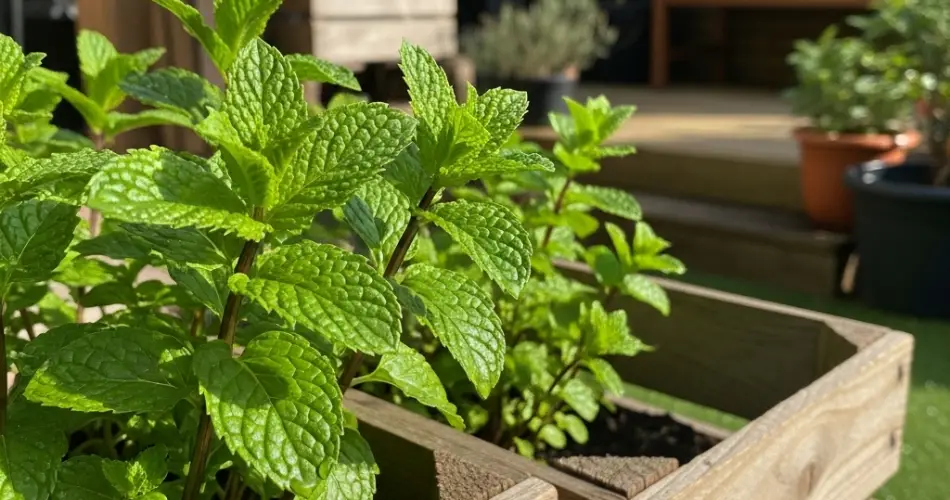
Mint is one of the most refreshing and versatile herbs you can grow at home. Whether added to drinks, desserts, savory dishes, or even used for homemade remedies, mint is a plant that always proves useful in the kitchen and beyond. The best part is that it doesn’t take much space to cultivate it. By using wooden crates as planters, you can create a simple and effective mint garden right in your backyard, patio, or balcony.
Crate gardening is not only space-efficient but also practical, especially for herbs like mint that have vigorous growth habits. Mint spreads quickly when planted in open soil, often overtaking garden beds. Growing it in crates gives you the benefit of containment while still providing enough room for a healthy, flourishing herb patch.
Why Crates Are Perfect for Mint
Mint is known for its fast growth and spreading roots, which can become invasive in garden soil. A crate offers natural boundaries, keeping the plant controlled while still giving it enough space to thrive. Beyond that, crates come with other advantages:
-
Mobility: You can move crates to sunnier or shadier spots as needed.
-
Drainage: With proper lining, crates allow excess water to escape, preventing root rot.
-
Recycling: Repurposed wooden crates make for an eco-friendly and budget-friendly option.
-
Flexibility: You can stack or arrange crates to suit your available space.
Because mint grows well even in less-than-perfect conditions, it adapts beautifully to crate gardening.
Preparing Crates for Mint
Before planting, proper crate preparation ensures long-lasting results.
-
Choose a sturdy crate: Opt for a wooden fruit or wine crate that is deep enough—about 12 to 16 inches works well.
-
Line the inside: Use burlap, landscape fabric, or plastic with drainage holes to prevent soil from spilling out while maintaining water flow.
-
Add a drainage layer: Place gravel or small stones at the bottom. Mint likes moist soil but should never sit in stagnant water.
-
Fill with soil mix: A rich but well-draining mix of garden soil, compost, and a little sand is ideal. Mint doesn’t need overly fertile soil but appreciates organic matter for steady growth.
Planting Mint in Crates
Mint can be planted from seeds, cuttings, or starter plants. Seeds can take longer to establish, so many gardeners prefer cuttings or young plants. If planting cuttings, simply place them in moist soil and they will quickly root.
Space plants 8–10 inches apart to allow each one room to spread within the crate. Mint thrives in partial shade to full sun, though too much direct, intense sunlight may cause leaves to wilt. A spot with morning sun and afternoon shade is ideal for crate gardening.
Watering and Everyday Care
Mint thrives in moist soil, so consistent watering is key. Unlike some herbs that prefer drier soil, mint should never be allowed to dry out completely. Water when the top inch of soil feels dry, and ensure moisture reaches the root zone.
Regular pruning is another essential part of mint care. Pinching off the tips of stems encourages bushy growth and prevents the plant from becoming tall and leggy. Frequent harvesting also keeps the plant productive throughout the season.
Feeding Mint Plants
Mint does not require heavy feeding, but a light boost of nutrients helps it produce lush, flavorful leaves. An organic fertilizer, compost tea, or diluted fish emulsion applied once a month is usually sufficient. Too much fertilizer can reduce the intensity of the mint’s flavor, so moderation is best.
Managing Pests and Diseases
Mint is generally resistant to most pests, but it can occasionally attract aphids, spider mites, or whiteflies. If infestations occur, spray leaves with a mild soap and water solution or rinse plants with a strong jet of water to remove pests.
Powdery mildew and rust are two fungal problems mint can face, especially if there is poor air circulation. To prevent these, avoid overhead watering and thin plants as needed. Crate gardening naturally helps since containers can be spaced apart to improve airflow.
Harvesting Mint
Mint can be harvested as soon as the plant reaches about 6 inches tall. Pick leaves from the top or snip entire stems just above a pair of leaves. This stimulates branching and encourages the plant to grow fuller.
For continuous harvests, avoid removing more than one-third of the plant at once. Regular harvesting not only gives you a steady supply but also keeps the mint from flowering, which can reduce leaf flavor.
Excess mint leaves can be dried, frozen, or used to make refreshing teas, syrups, and oils.
Tips for Long-Term Mint Success
-
Rotate crates occasionally to ensure even sunlight.
-
Refresh soil with compost or organic matter each season.
-
Consider growing different mint varieties—such as peppermint, spearmint, or chocolate mint—in separate crates for variety and containment.
-
Overwinter crates indoors or in a sheltered spot if you live in colder climates.
Conclusion
Growing mint in crates is a simple yet effective solution for gardeners who want to enjoy fresh herbs without worrying about invasive spread. With minimal effort in preparation, watering, and harvesting, you can maintain a productive mint supply right at home. Crate gardening not only keeps your plants manageable but also adds a rustic, creative touch to your backyard or balcony. Fresh, fragrant mint will always be within reach, ready to enhance your cooking, beverages, or homemade remedies.


