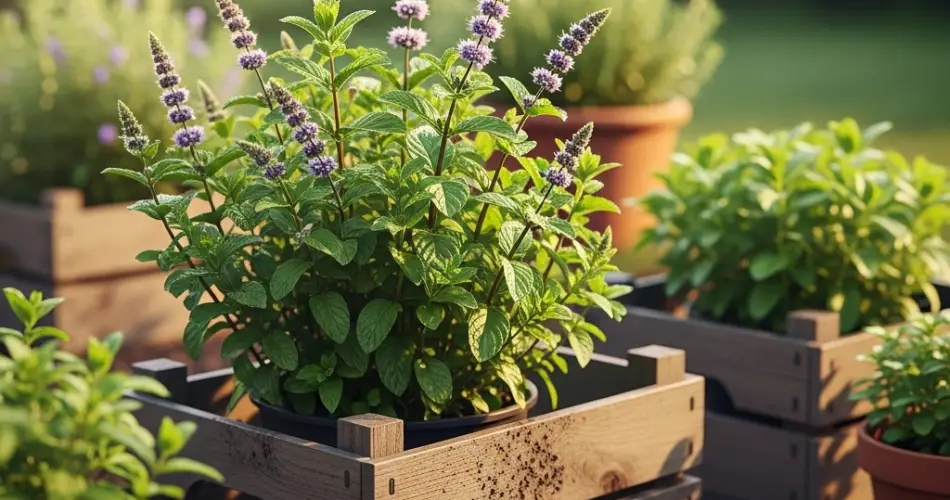
Mint is a refreshing and versatile herb that finds its way into teas, desserts, savory dishes, and even natural remedies. While it’s easy to grow, mint can quickly become invasive if planted directly in the ground. For this reason, many gardeners prefer to grow mint in containers. One creative and sustainable option is to build a mint crate bed for your backyard. This method not only keeps mint contained but also adds a rustic, decorative touch to your outdoor space.
A crate bed is simple to build, budget-friendly, and makes use of repurposed materials. It’s perfect for those who want fresh herbs on hand without giving up much space. Here’s how you can design and maintain your own mint crate bed for year-round harvests.
Why Use a Crate Bed for Mint?
Growing mint in a crate bed offers several advantages. Crates provide enough depth and room for root development while keeping the plant from spreading uncontrollably. The wooden structure allows airflow and drainage, creating healthy soil conditions.
Crate beds also give you mobility and flexibility. If you need to rearrange your garden layout or move plants to catch the sun, the crate can be easily shifted. Additionally, crates can be stacked or arranged to form a small herb garden corner, creating a functional yet attractive backyard feature.
Materials You’ll Need
To get started, gather the following materials:
-
A sturdy wooden crate (fruit crates or wine boxes work well)
-
Landscape fabric, burlap, or old cloth for lining
-
A drill or hammer and nails (if modifications are needed)
-
Potting soil mix (quality soil, compost, and drainage material)
-
Mint seedlings or rooted cuttings
-
Optional: protective wood sealant to increase the crate’s lifespan
Preparing the Crate
-
Inspect the crate – Choose a crate that is strong enough to hold soil and plants without breaking. Reinforce weak joints with nails if necessary.
-
Line the inside – Use landscape fabric, burlap, or thick cloth to line the interior. This prevents soil from spilling through gaps while still allowing water drainage.
-
Create drainage holes – If the bottom is solid wood, drill several small holes to avoid waterlogging. Proper drainage is critical, as mint dislikes sitting in stagnant water.
-
Optional sealing – To extend the life of the crate, especially if it will sit outdoors in varying weather, apply a thin layer of natural wood sealant to the exterior. Leave the interior untreated to avoid chemical contact with the soil.
The Ideal Soil Mix
Mint thrives in soil that is rich in organic matter, retains moisture, and drains well. For the best results, prepare a soil blend with:
-
50% potting soil for structure and nutrients
-
30% compost to provide natural fertilization and improve moisture retention
-
20% perlite or coarse sand to enhance drainage and aeration
This mixture creates an environment where mint roots can grow vigorously without risk of waterlogging.
Planting Mint in the Crate
Mint can be grown from seeds, but using seedlings or cuttings is much faster and more reliable. If you’re starting with cuttings, place them in water until roots appear, then transfer them into the crate.
Space seedlings about 8–10 inches apart, depending on the size of your crate. One medium crate usually accommodates two to three mint plants. As the plants spread, they’ll fill the crate with lush greenery.
Caring for Your Mint Crate Bed
Mint is hardy and low-maintenance, but a few simple care practices will keep it healthy:
-
Sunlight: Mint prefers partial shade to full sun. Place the crate where it will receive 4–6 hours of light daily. Too much direct heat may dry out the soil.
-
Watering: Keep the soil evenly moist, especially in hot weather. Wooden crates tend to dry out faster than ground beds, so check the soil frequently.
-
Fertilizing: Mint doesn’t need heavy feeding, but applying a mild liquid fertilizer or compost tea every few weeks will encourage vigorous growth.
Harvesting Mint
Mint can be harvested once plants are about 6–8 inches tall. Regularly snipping the top leaves encourages bushier growth and prevents the plant from becoming too leggy.
Harvesting frequently not only provides a constant supply for your kitchen but also helps maintain plant health. If flowers begin to appear, pinch them off, as flowering can reduce leaf quality and flavor.
Benefits of a Mint Crate Bed
A mint crate bed offers fresh herbs without the worry of mint spreading through your entire garden. It’s a sustainable way to recycle materials, reduce waste, and decorate your backyard with a functional, green feature.
Beyond culinary use, mint leaves can also be dried for teas, infused into oils, or used as a natural pest deterrent. Having a crate bed means you always have a fresh supply within reach.
Conclusion
Building a mint crate bed is a practical and eco-friendly way to grow one of the most useful herbs in your backyard. With just a few materials and simple steps, you can create a dedicated space that keeps mint contained while ensuring it thrives.
This method combines sustainability, style, and convenience, making it a perfect project for anyone looking to expand their home herb garden. Whether you enjoy mint for cooking, teas, or natural remedies, a crate bed ensures you’ll always have a steady supply of fresh, aromatic leaves right at your fingertips.


