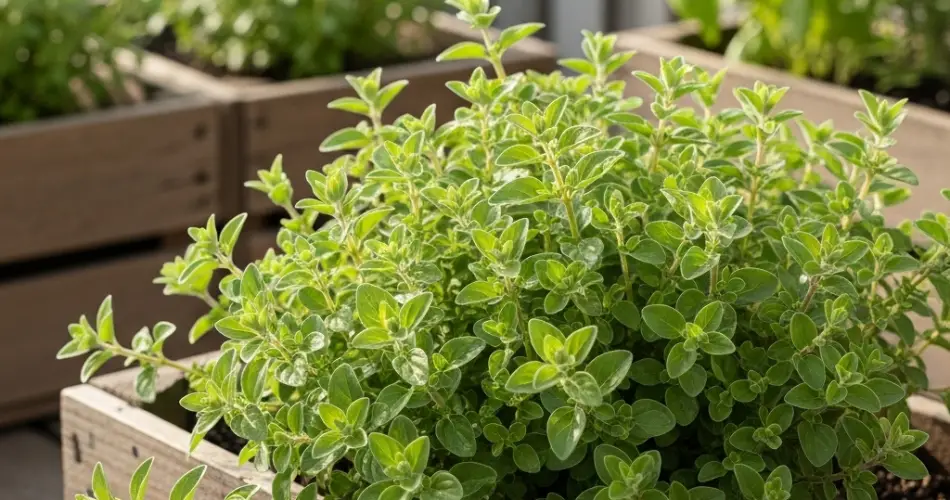
Oregano is a timeless herb, beloved for its fragrant leaves and its essential role in Mediterranean cooking. From pasta sauces to roasted vegetables and marinades, oregano adds a savory depth that enhances countless dishes. The good news is that you don’t need a sprawling garden to grow it successfully. With just a few wooden crates, you can cultivate a thriving oregano patch right in your outdoor space—whether that’s a backyard, patio, or even a small balcony.
Crate gardening provides a simple, attractive, and sustainable way to grow herbs like oregano. This method not only saves space but also makes it easier to control soil quality, water drainage, and plant growth. For those who want a steady supply of fresh oregano leaves, crate containers are an excellent solution.
Why Crates Are Great for Oregano
Oregano is a hardy perennial herb that thrives in warm, sunny conditions with well-drained soil. Planting it directly into garden beds works fine, but using crates offers several unique advantages:
-
Portability: You can move the crate to capture more sunlight or protect the plant from heavy rains.
-
Drainage control: Wooden crates allow for natural water flow, reducing the risk of root rot.
-
Space efficiency: Perfect for small gardens, patios, and balconies where space is limited.
-
Aesthetic appeal: Rustic crates add charm and style to outdoor garden setups.
Crates also naturally restrict oregano’s growth, preventing the plant from spreading too aggressively and keeping it neat and manageable.
Preparing Crates for Oregano
To set up a productive oregano crate, preparation is key. Here’s how to do it step by step:
-
Select the crate: Choose a wooden crate at least 12 inches deep to accommodate the root system. Fruit crates, wine crates, or any sturdy wooden boxes work well.
-
Line the crate: Use burlap, landscape fabric, or plastic sheeting with drainage holes to hold soil in place while allowing excess water to escape.
-
Add a base layer: Place small rocks, pebbles, or broken clay pots at the bottom for improved drainage.
-
Prepare the soil: Oregano prefers light, well-draining soil. A mix of garden soil, compost, and a little sand creates the ideal environment. Avoid soil that retains too much moisture.
With the crate ready, it’s time to plant.
Planting Oregano
You can start oregano from seeds, cuttings, or small nursery plants. For beginners, starting with a young plant is the easiest and quickest way to enjoy a harvest.
-
From seeds: Sprinkle seeds on the surface of the soil and lightly press them in. They need sunlight to germinate, so avoid covering them deeply. Keep the soil moist until seedlings appear.
-
From cuttings: Take a 4–6 inch cutting from an established plant, strip the lower leaves, and place it in moist soil until it roots.
-
From starter plants: Simply transplant into the crate, spacing plants about 8–10 inches apart if growing more than one.
Place the crate in a sunny location. Oregano thrives with at least 6–8 hours of direct sunlight daily, which helps intensify its flavor.
Watering and General Care
Oregano is relatively low maintenance. It prefers slightly dry conditions and is more tolerant of drought than overwatering. Allow the top inch of soil to dry before watering again. When you do water, soak thoroughly so moisture reaches the roots.
Pruning is an important part of oregano care. Regularly pinch or trim stems to encourage bushier growth and prevent the plant from becoming leggy. Frequent harvesting also promotes fresh, tender leaves.
Feeding Oregano
Oregano doesn’t need heavy feeding, but occasional nourishment helps maintain healthy growth. An organic fertilizer applied once every 4–6 weeks during the growing season is sufficient. Avoid over-fertilizing, as too much can reduce the herb’s strong flavor. Compost mixed into the soil at planting time is often enough for the season.
Pest and Disease Management
Oregano is naturally pest-resistant, thanks to the strong aroma of its oils, but it can sometimes attract aphids or spider mites. If you notice pests, a gentle spray of water or an organic insecticidal soap usually solves the issue.
Fungal problems such as root rot occur if the soil is consistently waterlogged. To avoid this, ensure the crate has excellent drainage and avoid overwatering. Adequate air circulation around the plant also helps prevent disease.
Harvesting Oregano
Once the plant reaches about 6 inches tall, you can begin harvesting. Snip leaves or cut entire stems just above a leaf node. Regular harvesting encourages new growth, ensuring a continuous supply of fresh oregano.
For the best flavor, harvest oregano in the morning after the dew has dried but before the heat of the day. Oregano leaves can be used fresh or dried for long-term storage. To dry, hang small bundles of stems upside down in a warm, airy place until crisp. Store dried leaves in airtight containers away from sunlight.
Tips for Long-Term Success
-
Protect crates from harsh winter frost by moving them to a sheltered area or indoors.
-
Refresh the soil every growing season with compost or organic matter.
-
Consider planting oregano alongside other Mediterranean herbs, like thyme or rosemary, in separate crates for a complete herb garden.
Conclusion
Oregano is one of the easiest herbs to grow, and with the help of crate containers, anyone can cultivate it—even without a traditional garden. Crates provide the perfect balance of mobility, drainage, and space efficiency, making them ideal for small-scale herb gardening. With just a bit of sunlight, occasional watering, and regular harvesting, your oregano crate will provide you with fresh, flavorful leaves all year round.


