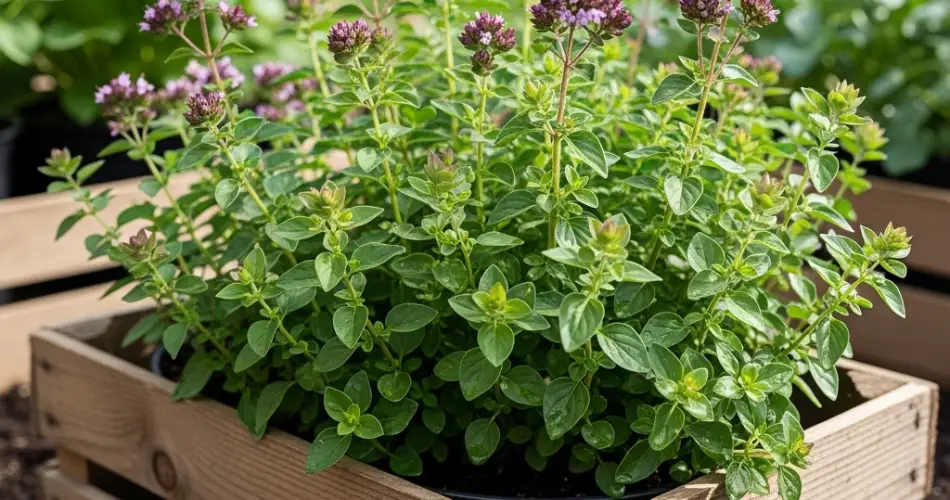
Oregano is one of the most popular herbs for home gardeners. Known for its bold flavor and aromatic qualities, oregano is a staple in Mediterranean and Italian cooking. Beyond its culinary uses, this hardy herb also boasts medicinal properties and attracts beneficial insects to the garden. While oregano grows well in traditional garden beds, cultivating it in backyard crates offers a stylish, practical, and space-saving solution.
Crate gardening not only helps control the plant’s growth but also allows you to easily move your herbs to catch the best sunlight or protect them from harsh weather. With a few simple steps, you can build a thriving oregano crate garden that provides fresh leaves throughout the year.
Why Grow Oregano in Crates?
Growing oregano in crates comes with several advantages. First, crates provide excellent containment, preventing the plant from spreading too aggressively into other areas of your garden. Second, wooden crates offer good air circulation, which keeps the soil from becoming too compact. Finally, crate gardens add a rustic, decorative charm to patios, balconies, or small backyard spaces.
Oregano is a hardy perennial in warm climates, meaning once established, it can last for years with minimal care. A crate bed allows you to keep the herb close at hand, making it easy to harvest whenever you need a sprig for cooking.
Materials You’ll Need
Before planting, gather the following supplies:
-
A sturdy wooden crate (wine boxes, fruit crates, or repurposed wooden containers)
-
Landscape fabric or burlap for lining
-
Potting soil with added compost
-
Sand or perlite for drainage
-
Oregano seedlings or rooted cuttings
-
A small trowel and watering can
Optional: Natural wood sealant to protect the outside of the crate from moisture.
Preparing the Crate
-
Choose a solid crate – Make sure your crate is strong enough to hold soil and withstand outdoor conditions. Reinforce weak joints with nails if necessary.
-
Add a liner – Line the inside with landscape fabric, burlap, or even an old cloth sack. This keeps soil in place while still allowing excess water to drain.
-
Ensure drainage – If the crate bottom is solid wood, drill several small holes to allow water to escape. Good drainage is crucial because oregano prefers slightly dry conditions.
-
Seal if desired – Coat the outside of the crate with a natural wood sealant for weather protection, but avoid sealing the inside to prevent chemicals from leaching into the soil.
Soil Preparation
Oregano thrives in light, well-drained soil. A good mix for a crate garden is:
-
50% potting soil for structure
-
30% compost for nutrients
-
20% sand or perlite to improve drainage
This blend ensures that your oregano receives enough nutrients while staying in the slightly dry environment it prefers. Unlike many herbs, oregano doesn’t need overly rich soil—too much fertility can weaken its flavor.
Planting Oregano
Start with seedlings or cuttings for the quickest results. Seeds can be used, but they take longer to establish. Plant one to two oregano plants in a medium-sized crate, spacing them about 10–12 inches apart. As oregano grows, it will spread out and fill the crate with lush greenery.
Place the crate in a sunny location. Oregano requires at least 6–8 hours of direct sunlight daily for strong growth and rich flavor.
Caring for Oregano in Crates
Oregano is a low-maintenance herb, but a few simple practices will keep your crate garden healthy:
-
Watering: Allow the top inch of soil to dry before watering again. Oregano prefers slightly dry conditions and does not tolerate soggy roots.
-
Sunlight: Ensure your crate is placed in full sun. If sunlight is limited, move the crate around to capture the brightest spots in your backyard.
-
Pruning: Regularly pinch or trim the tops of the plants to encourage bushy growth and prevent legginess. Pruning also boosts leaf production.
-
Fertilizing: Too much fertilizer reduces oregano’s strong flavor. Instead, enrich the soil once or twice a year with compost or a mild organic fertilizer.
Harvesting and Using Oregano
Oregano is ready to harvest once the plant is at least 6 inches tall. The best flavor comes just before the plant flowers. Use scissors to snip off stems, cutting no more than one-third of the plant at a time to avoid stressing it.
Fresh oregano leaves can be used in pasta, pizza, soups, sauces, and marinades. To store for later use, dry the stems by hanging them in a cool, dark place, then crumble the leaves into jars once they are crisp. Oregano can also be frozen in olive oil cubes for convenient cooking.
Benefits of a Crate Oregano Garden
-
Keeps oregano contained and easy to manage
-
Allows for portability and flexible placement
-
Adds a decorative touch to patios and backyards
-
Provides a long-lasting supply of fresh, flavorful herbs
-
Helps attract pollinators like bees when in bloom
Conclusion
Growing hardy oregano in backyard crates is an excellent way to enjoy fresh herbs while keeping your garden organized and stylish. With just a crate, soil, and a few seedlings, you can create a thriving oregano bed that requires little effort but gives plenty in return.
Whether you use oregano for cooking, drying, or medicinal purposes, this versatile herb thrives in a crate setup. Start small, care for it with simple practices, and soon you’ll have an abundant supply of this aromatic favorite right outside your door.


