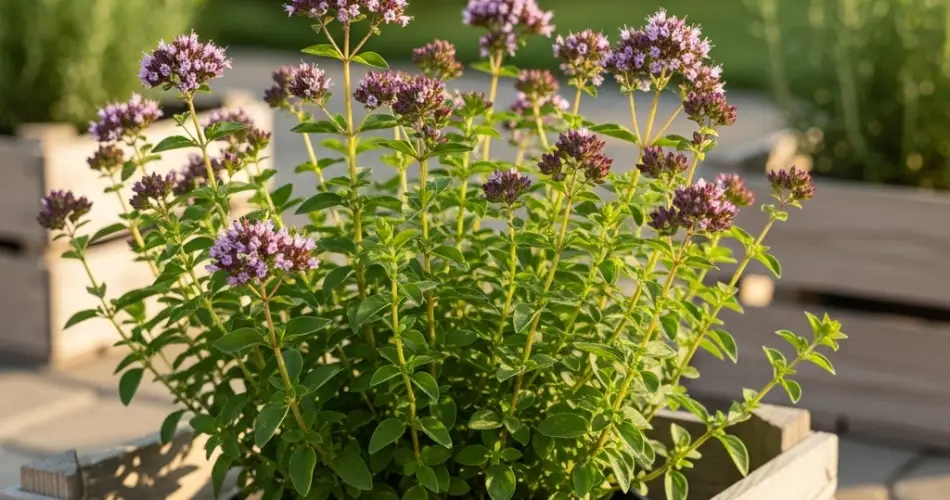
Oregano is one of the most versatile and widely used herbs in kitchens around the world. Its earthy, aromatic leaves are a staple in Mediterranean dishes, soups, stews, and sauces. Luckily, you don’t need a large outdoor garden to enjoy a fresh supply of this flavorful herb. With just a few wooden crates, you can create space-saving oregano beds that fit perfectly in backyards, patios, or balconies. This method is simple, efficient, and adds a rustic charm to your garden.
Why Choose Wooden Crates for Oregano?
Wooden crates are more than just rustic containers—they offer unique advantages for small-scale gardening:
-
Space efficiency: Crates make it possible to grow oregano in limited areas, making them perfect for small yards or urban balconies.
-
Portability: Since oregano thrives on plenty of sunlight, crates allow you to move plants to sunnier spots as the seasons shift.
-
Drainage control: Wooden crates provide natural airflow and drainage, helping to prevent overwatering and root rot.
-
Style: Wooden containers add character and warmth to an outdoor setting, creating both function and beauty.
Oregano also grows well in restricted spaces, making crates an ideal option to keep the herb compact and manageable.
Preparing Crates for Planting
Setting up wooden crates for oregano beds takes just a little preparation:
-
Choose sturdy crates: Look for crates at least 12 inches deep to allow oregano roots to spread comfortably. Old fruit crates, wine boxes, or repurposed wooden storage boxes are excellent choices.
-
Line the interior: Use burlap, landscape fabric, or plastic with drainage holes to hold the soil in place while still allowing excess water to escape.
-
Add a drainage layer: Place a base layer of pebbles or broken terracotta pieces at the bottom to enhance drainage.
-
Prepare the soil mix: Oregano thrives in light, well-draining soil. A mix of compost, garden soil, and coarse sand works best. Avoid heavy, water-retaining soil, which may cause root problems.
With the crate prepared, you’re ready to plant oregano seeds or seedlings.
Planting Oregano in Crates
There are several ways to start oregano:
-
Seeds: Sprinkle oregano seeds over the soil surface and lightly press them in. Since they need light to germinate, avoid covering them deeply. Keep the soil moist until sprouts appear.
-
Cuttings: Take 4–6 inch cuttings from a mature oregano plant, remove the lower leaves, and place them in moist soil. With regular care, the cuttings will develop roots within a few weeks.
-
Seedlings or young plants: This is the easiest option for beginners. Simply transplant them into the crate, leaving about 8–10 inches between plants.
Position the crate in a sunny spot where oregano can receive 6–8 hours of sunlight daily. Full sun enhances the aromatic oils, giving oregano its strong, distinctive flavor.
Watering and Care
One of oregano’s strengths is its resilience. It thrives with minimal care, making it an excellent choice for busy gardeners.
-
Watering: Oregano prefers drier soil conditions. Allow the top inch of soil to dry between waterings, and avoid overwatering, which can lead to root rot.
-
Pruning: Regularly pinch or trim stems to encourage bushier growth. Frequent harvesting also stimulates new shoots.
-
Fertilizing: Oregano does not require heavy feeding. Light applications of organic compost or diluted liquid fertilizer every month or so during the growing season are enough. Excess fertilizer can reduce the intensity of the herb’s flavor.
Protecting Oregano from Pests and Diseases
Oregano’s strong scent naturally deters many pests, but occasional issues may arise.
-
Pests: Aphids and spider mites can sometimes appear. Spraying the plant with a gentle stream of water or using organic insecticidal soap usually resolves the problem.
-
Diseases: Root rot or fungal issues often stem from waterlogged soil. Ensure proper drainage and good airflow around the plants to prevent these conditions.
Overall, oregano remains one of the hardiest and most low-maintenance herbs to grow.
Harvesting Oregano
Harvesting oregano is simple and rewarding.
-
Begin harvesting once the plant reaches about 6 inches tall.
-
Snip stems just above a leaf node to encourage more growth.
-
For the strongest flavor, harvest in the morning when essential oils are at their peak.
Fresh oregano leaves can be used immediately in cooking, while surplus leaves can be dried for later use. To dry oregano, tie small bunches of stems and hang them upside down in a warm, airy place until crisp. Store dried leaves in airtight jars, away from sunlight.
Long-Term Care Tips
-
Refresh the soil mix in crates at the beginning of each growing season.
-
Move crates indoors or to a sheltered spot during harsh winters to protect the plants.
-
Pair oregano crates with other Mediterranean herbs like thyme, rosemary, or sage for a convenient and decorative herb garden.
Conclusion
Growing oregano in wooden crates is a practical and space-saving solution for gardeners who want fresh herbs without the need for a large outdoor bed. Crates provide excellent drainage, portability, and charm, while oregano itself requires minimal care. With just sunshine, occasional watering, and light pruning, you’ll enjoy a continuous supply of fresh, flavorful oregano right from your backyard or balcony.
This simple gardening method transforms small spaces into productive herb gardens, proving that anyone, anywhere, can grow their own oregano with ease.


