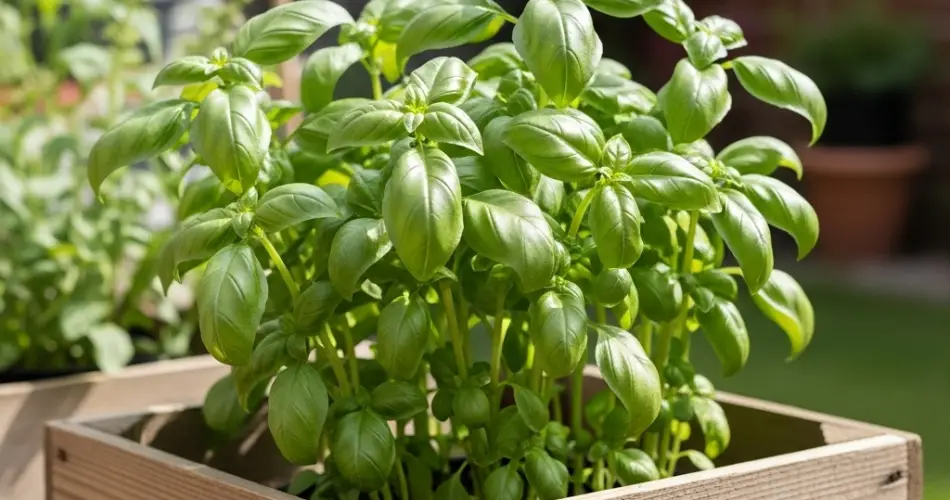
Basil is one of the most beloved herbs in kitchens around the world. Its fresh aroma and vibrant flavor make it essential for dishes such as pesto, salads, pasta, and even infused oils. While many gardeners grow basil in pots or garden beds, there is another eco-friendly and creative way to cultivate this fragrant herb—using wooden crates. This method not only saves space but also reuses materials in a sustainable way, making it perfect for urban gardeners, eco-conscious households, or anyone who wants to try something different.
Why Grow Basil in Wooden Crates?
Wooden crates are sturdy, breathable, and provide ample room for root development. Unlike standard pots, they are larger, which allows multiple basil plants to grow together, creating a mini herb garden in one container. They are also an excellent way to recycle materials that might otherwise be discarded. Old fruit or wine crates can be easily repurposed into beautiful and functional planters, reducing waste and adding rustic charm to your balcony, patio, or garden.
In addition, basil thrives in containers where soil conditions can be carefully managed. A wooden crate allows you to control drainage and nutrient levels, making it easier to grow healthy, productive plants.
Preparing the Crate
Before planting, prepare the wooden crate to ensure it supports plant growth and lasts for more than one season. Here are a few steps to get it ready:
-
Check for gaps and reinforce if needed – Some crates may have wide gaps between slats. Lining the inside with burlap, landscape fabric, or even old newspapers helps hold soil in place while still allowing for drainage.
-
Add drainage holes – If the crate’s bottom is solid wood, drill small holes to prevent waterlogging. Good drainage is vital to keep basil roots healthy.
-
Optional waterproofing – To extend the life of the crate, you can line it with a thin plastic sheet (with holes punched at the bottom). This prevents the wood from rotting while still allowing water to escape.
Once prepared, your crate becomes a practical and sustainable planter ready for basil cultivation.
Best Soil Mix for Basil
Basil loves light, well-draining soil enriched with organic matter. A good soil mix for crate planting should include:
-
50% quality potting soil for structure and nutrients
-
30% compost for organic richness and steady feeding
-
20% perlite or coarse sand for drainage and aeration
This combination ensures that basil roots remain healthy and that water drains well without leaving the soil soggy. Adding a handful of slow-release organic fertilizer at planting time gives your plants a strong start.
Planting Basil in Crates
You can grow basil from either seeds or seedlings. If using seeds, sow them directly into the crate about 1/4 inch deep, spacing them 6–8 inches apart. If starting with seedlings, gently transplant them into the soil mix at the same depth they were in their original pots.
Because crates are larger than regular pots, you can plant several basil plants together, creating a lush mini-garden. For a medium-sized fruit crate, around six to eight plants is ideal.
Care and Maintenance
Basil requires consistent care to thrive, and container gardening makes it easier to meet its needs.
-
Sunlight: Place your crate in a sunny location where the plants can receive at least 6 hours of direct sunlight daily. If indoors, a bright windowsill or grow lights can supplement natural light.
-
Watering: Basil enjoys moist but not soggy soil. Water when the top inch feels dry, usually every 2–3 days in warm weather. Be mindful not to overwater, as crate planters may retain moisture longer depending on their lining.
-
Feeding: A liquid organic fertilizer, such as compost tea or seaweed extract, applied every 2–3 weeks, keeps basil vigorous and flavorful.
Harvesting Basil
The more you harvest basil, the more it grows. Begin harvesting once the plants reach about 6–8 inches in height. Pinch off the top leaves regularly to encourage branching and prevent the plant from flowering too early. Always harvest from the top rather than the bottom to maintain steady growth.
If flowers do appear, pinch them off immediately, as flowering reduces leaf flavor and production. With regular harvesting, a crate of basil can supply your kitchen with fresh leaves throughout the growing season.
Benefits Beyond the Harvest
Growing basil in wooden crates is not only about convenience and sustainability but also about creating beauty in small spaces. A crate full of lush, green basil makes an attractive addition to a balcony, patio, or kitchen corner. It’s portable, easy to reposition, and can be combined with other crate gardens—such as parsley, cilantro, or mint—for a complete herb collection.
When the season ends, you can refresh the soil and reuse the same crate for another planting, making it a long-term solution for eco-friendly gardening.
Conclusion
A sustainable basil garden using wooden crates combines practicality, eco-friendliness, and aesthetic appeal. With the right soil mix, consistent care, and regular harvesting, you can enjoy an endless supply of fresh basil while reducing waste and making use of recycled materials. Whether you live in a city apartment or a suburban home, this method offers an easy, sustainable, and beautiful way to grow your own herbs.
Fresh basil at your fingertips is not just convenient—it’s a flavorful reward for your effort and a small but meaningful step toward sustainable living.


