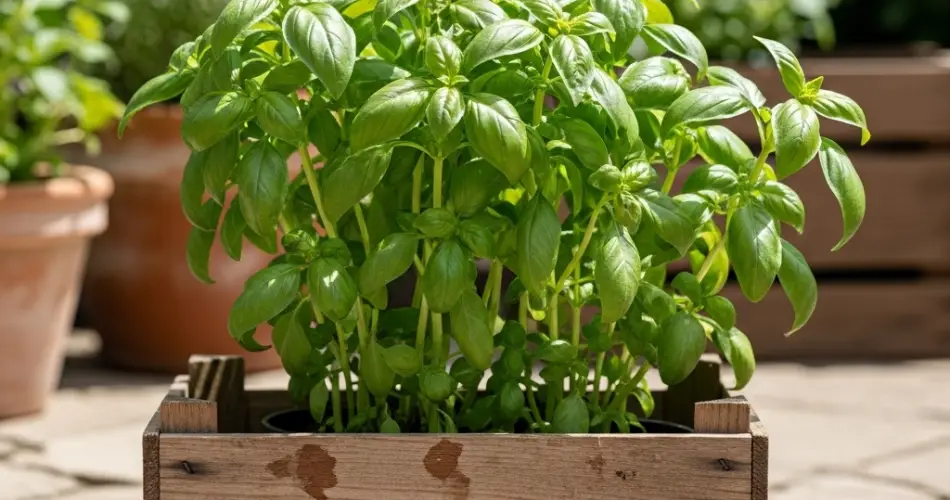
Basil is one of the most versatile and aromatic herbs you can grow at home. Known for its fresh, sweet fragrance and culinary uses, basil pairs beautifully with tomatoes, pasta, salads, and sauces. Growing basil doesn’t require a large garden; with the right approach, you can cultivate a thriving crop in wooden crates right in your backyard. Crate gardening is an excellent method for urban or small-space gardeners who want an abundant supply of fresh leaves without needing a traditional garden bed.
Why Choose Crate Gardening for Basil?
Wooden crates offer a practical and attractive solution for container gardening. They are affordable, easy to set up, and allow you to move your basil plants to follow the sun. Unlike standard pots, crates provide a broader surface area, enabling multiple plants to grow together while still giving their roots enough room to spread. They also promote good drainage, which is essential for basil, a plant that thrives in moist but not waterlogged soil.
Another advantage of using crates is their rustic charm. They can be repurposed from fruit or wine boxes, making them an eco-friendly option for sustainable gardening. With minimal preparation, crates can serve as both a functional planter and an appealing addition to your backyard.
Preparing the Crate
Before planting basil in a wooden crate, preparation is key:
-
Lining the Crate: Use landscaping fabric, burlap, or thick plastic with drainage holes punched through to line the inside of the crate. This prevents soil from leaking out while allowing excess water to drain freely.
-
Drainage Layer: Add a shallow layer of gravel, small stones, or broken terracotta pieces at the bottom to ensure proper drainage. Basil dislikes sitting in soggy soil, and this layer helps protect roots from rot.
-
Soil Mix: Basil grows best in nutrient-rich, well-draining soil. A good mix includes equal parts potting soil, compost, and perlite or coarse sand. This blend provides fertility, aeration, and water retention in balance.
Planting Basil
Basil can be started from seeds or young transplants. If planting seeds directly into the crate, sow them about ¼ inch deep and keep the soil consistently moist until germination, which usually takes 5–10 days. For quicker results, use nursery-grown seedlings. Space plants about 8–10 inches apart to ensure they have enough room to grow.
Position the crate in a location that receives at least six hours of sunlight daily. Basil thrives in warmth and light, so sunny backyards or patios are ideal. If temperatures drop below 50°F (10°C), consider moving the crate to a more sheltered spot or indoors near a sunny window.
Watering and Care
Basil enjoys slightly moist soil but not excessive water. Check the soil regularly by inserting your finger an inch deep—if it feels dry, it’s time to water. In hot weather, daily watering may be necessary, while cooler conditions may require less. Always water at the base of the plants rather than overhead to prevent fungal problems.
Pinching and harvesting basil correctly encourages fuller growth. Once your plants are about six inches tall, pinch off the top set of leaves just above a leaf node. This stimulates branching and results in bushier plants with more leaves to harvest. Regular harvesting also prevents basil from flowering too early, which can cause the leaves to become bitter.
Fertilizing Basil in Crates
Since basil in crates relies entirely on the nutrients in the soil mix, regular feeding ensures healthy growth. Use a balanced liquid fertilizer every two to three weeks, diluted to half strength, to avoid over-fertilization. Organic options such as compost tea, worm castings, or fish emulsion are excellent choices that enrich the soil while promoting lush, flavorful leaves.
Pest and Disease Management
While basil is relatively easy to grow, it can occasionally face pests like aphids, whiteflies, or spider mites. To manage these naturally, spray the plants with a mixture of water and mild soap, or introduce beneficial insects like ladybugs. Avoid overwatering, as excess moisture can lead to fungal diseases such as downy mildew. Good air circulation around the crate and proper spacing of plants reduce these risks.
Harvesting Fresh Basil Leaves
Basil leaves can be harvested as soon as the plant is well-established, usually within four to six weeks of planting. Always harvest by pinching stems above a pair of leaves to encourage regrowth. Avoid removing more than one-third of the plant at once, as this can stress the plant. With proper care and regular harvesting, basil plants in crates can provide fresh leaves all season long.
For long-term use, harvested basil can be air-dried, frozen, or turned into delicious pesto. However, nothing compares to plucking fresh leaves straight from your backyard crate to add vibrant flavor to your meals.
Final Tips for Success
-
Place crates in full sun for maximum flavor and leaf production.
-
Rotate the crate occasionally to ensure even growth on all sides.
-
Replace soil or refresh it with compost each season to maintain fertility.
-
Consider companion planting—basil grows well alongside tomatoes and peppers, enhancing their growth and repelling some pests.
Conclusion
Backyard crate gardening makes growing basil simple, productive, and visually appealing. With the right soil, consistent watering, and thoughtful care, you can enjoy a steady supply of fragrant basil leaves just steps away from your kitchen. Whether you’re making pesto, seasoning soups, or garnishing salads, fresh basil from your crate garden will elevate your dishes and give you the satisfaction of homegrown herbs.


