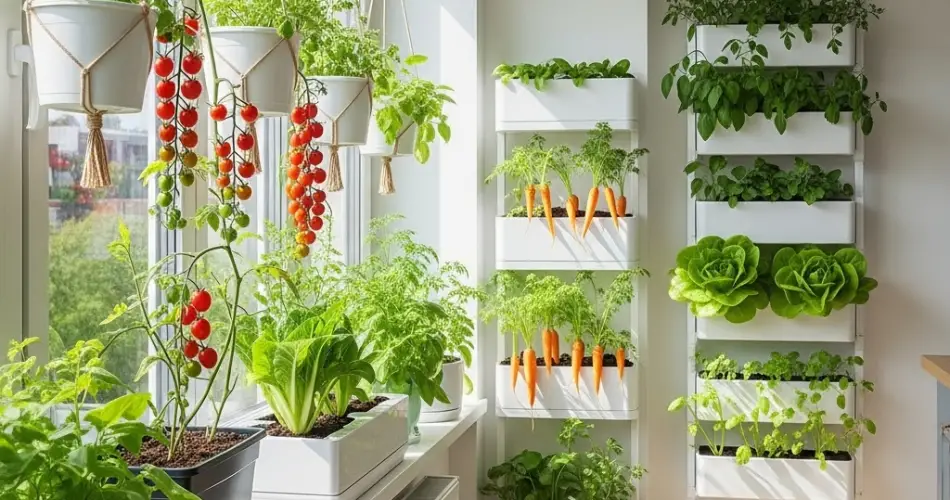
In today’s compact living environments, gardening has become increasingly vertical. Whether you’re in an apartment, condo, or simply want to make the most of your backyard or balcony, wall-mounted planters are a smart, space-saving solution. These creative planters not only free up ground space but also add beauty and greenery to otherwise unused walls or fences.
From herbs and succulents to colorful flowers and even compact vegetables, wall-mounted planters make it possible to enjoy a thriving garden without needing much room. Here’s a detailed guide to the best types of wall-mounted planters and how to choose the right ones for your space.
1. Pocket Fabric Wall Planters
Best for: Herbs, lettuces, strawberries, or small flowering plants.
These lightweight, breathable planters are made from felt or other non-woven fabrics and feature multiple planting pockets. They’re easy to install with hooks or screws and can hang on fences, balcony railings, or indoor walls.
Advantages:
-
Affordable and widely available
-
Good drainage and airflow
-
Easy to install and move
-
Ideal for vertical herb gardens
Tips: Water slowly to ensure all pockets get moisture, and use a tray or basin underneath if using indoors to catch excess water.
2. Modular Vertical Planter Panels
Best for: Decorative flowers, succulents, or compact greens.
Modular panels offer a stylish and customizable option. They consist of interconnected units that can be arranged in various patterns to create living walls. Some even include built-in irrigation systems for easy maintenance.
Advantages:
-
Modern, sleek appearance
-
Great for indoor or outdoor use
-
Can expand or rearrange as needed
-
Available in plastic, metal, or wood finishes
Tips: Position panels where they receive appropriate light, and plant low-maintenance species like sedum or trailing vines for a stunning effect.
3. Wooden Crate or Pallet Planters
Best for: Rustic aesthetics and edible gardens like herbs or leafy greens.
Repurposed wooden crates or pallets make excellent wall-mounted planters. You can attach small pots inside each slat or use the entire pallet as a base for planting.
Advantages:
-
Eco-friendly and upcycled
-
Holds a large number of plants
-
Can be customized with paint or stain
Tips: Seal the wood for weather protection, and line crates with landscape fabric to hold soil while allowing drainage.
4. Hanging Wall Baskets
Best for: Flowers like petunias, pansies, or trailing plants like ivy and creeping Jenny.
These traditional-style planters hang from brackets and add charm to any wall or fence. They typically come in wire or woven materials and are lined with coco fiber or moss.
Advantages:
-
Adds instant decorative appeal
-
Easy to replace or replant seasonally
-
Excellent airflow and drainage
Tips: Use moisture-retaining soil and water more frequently during hot weather, as these baskets tend to dry out quickly.
5. Wall-Mounted Terracotta Pots
Best for: Mediterranean herbs, succulents, and cacti.
Terracotta pots mounted directly onto wooden boards or iron racks provide a timeless, earthy look and excellent growing conditions for plants that prefer dry soil.
Advantages:
-
Great breathability for plant roots
-
Stylish and durable
-
Perfect for sunny, dry areas
Tips: Terracotta absorbs moisture quickly, so monitor soil levels closely and group together drought-tolerant plants.
6. Recycled Containers and DIY Options
Best for: Creative, budget-friendly gardens.
Think tin cans, old gutters, plastic bottles, or even mason jars. With a bit of creativity, these recycled items can become charming vertical planters. Attach them to a wooden board or fence using brackets, nails, or strong adhesive.
Advantages:
-
Eco-conscious and budget-friendly
-
Customizable to any shape or color scheme
-
Ideal for children’s gardens or school projects
Tips: Ensure proper drainage by drilling holes at the bottom, and avoid planting anything too large or deep-rooted.
7. Wall Planter Shelves and Racks
Best for: Indoor herb gardens or small decorative pots.
Shelving units attached to walls or fences offer a clean, organized way to display plants. You can choose open racks or ones with built-in planter boxes.
Advantages:
-
Allows mixing plant types and pots
-
Easy to change and rearrange
-
Great for balconies and kitchen walls
Tips: Place taller plants on top shelves and trailing plants lower down to create a cascading effect.
Tips for Successful Wall Gardening
-
Watering: Vertical planters can dry out faster. Check moisture regularly and consider using self-watering containers or drip irrigation systems.
-
Lighting: Choose locations that provide the correct light level for your plants—south-facing walls are great for sun lovers, while shaded spots suit ferns and mosses.
-
Weight Considerations: Use lightweight soil mixes and make sure walls or fences can support the weight, especially when watering.
-
Plant Selection: Start with easy-care plants such as succulents, herbs, lettuce, pansies, or small peppers.
Final Thoughts
Wall-mounted planters are a brilliant way to bring life and greenery to small spaces. They turn blank walls into productive gardens and artistic displays while maximizing every inch of available room. Whether you’re going for a rustic vibe with wooden pallets or a sleek, modern look with vertical modules, there’s a planter design to suit every taste and purpose. With the right setup and plant choices, even the smallest apartment or courtyard can become a lush, vibrant retreat.


