Creating a beautiful and functional backyard garden doesn’t have to involve expensive landscaping or professional design. With a few tools, some basic materials, and a little imagination, you can build stylish DIY plant boxes that transform your outdoor space into a green oasis. Whether you’re working with a spacious yard or a compact patio, plant boxes add structure, improve drainage, and allow for creative planting arrangements.
Here are several DIY plant box ideas that blend style and practicality, perfect for gardeners of all experience levels.
1. Classic Wooden Raised Beds
Raised wooden beds are a timeless choice for growing vegetables, herbs, and flowers. They’re easy to build and ideal for improving soil quality and drainage. You can customize them to suit your space and gardening needs.
Materials needed:
-
Untreated cedar, redwood, or pine boards
-
Screws or nails
-
Drill or hammer
-
Landscape fabric (optional)
Style tips:
-
Paint or stain the wood for a decorative touch.
-
Add corner caps or trim for a finished look.
-
Use symmetrical layouts for a clean, organized appearance.
Bonus: Raised beds make gardening more accessible and reduce weed problems.
2. Modern Concrete Planter Boxes
For a sleek and contemporary look, try DIY concrete planter boxes. They work well in minimalist gardens or as striking contrasts to soft foliage. While heavier than wood, concrete is incredibly durable and weather-resistant.
Materials needed:
-
Quick-set concrete mix
-
Molds (plastic bins or custom wooden forms)
-
Cooking spray or oil (to release the mold)
-
Trowel
Style tips:
-
Use geometric shapes for a modern vibe.
-
Mix in coloring agents for custom hues.
-
Combine with metal or wood for contrast.
Tip: Concrete planters are perfect for succulents, small shrubs, or ornamental grasses.
3. Upcycled Pallet Planter Boxes
Old wooden pallets can be repurposed into rustic, charming planter boxes. Not only does this save money, but it also gives new life to discarded materials.
Materials needed:
-
Wooden pallet (heat-treated, not chemically treated)
-
Saw, hammer, and nails or screws
-
Sandpaper
-
Liner or landscape fabric
Style tips:
-
Leave the wood raw for a natural look or apply whitewash for a vintage feel.
-
Add casters for mobility.
-
Use chalkboard paint on the side to label plants.
Good for: Herbs, lettuce, or trailing flowers.
4. Tiered Wooden Plant Box
A tiered planter box is both space-saving and visually appealing. With multiple levels, it allows for cascading plants and varied planting heights—ideal for patios or smaller backyards.
Materials needed:
-
Wood planks
-
Screws, drill, and saw
-
Measuring tape
-
Wood glue (optional)
Style tips:
-
Stain each tier a different color for contrast.
-
Plant herbs on top and flowers on the lower tiers for both function and beauty.
Tip: Great for growing strawberries, herbs, or mixed container plants.
5. Galvanized Metal Planter Box
For a rustic-industrial aesthetic, galvanized metal troughs or containers make excellent plant boxes. They’re long-lasting and add a farmhouse or urban garden look.
Materials needed:
-
Galvanized steel trough or old metal containers
-
Drill (for drainage holes)
-
Gravel or stones for bottom layer
-
Potting soil
Style tips:
-
Frame metal planters with wood for warmth.
-
Add trellises or plant supports for climbing plants.
-
Group different sizes together for visual impact.
Best for: Tomatoes, peppers, bush beans, or ornamental grasses.
6. Vertical Plant Box Wall
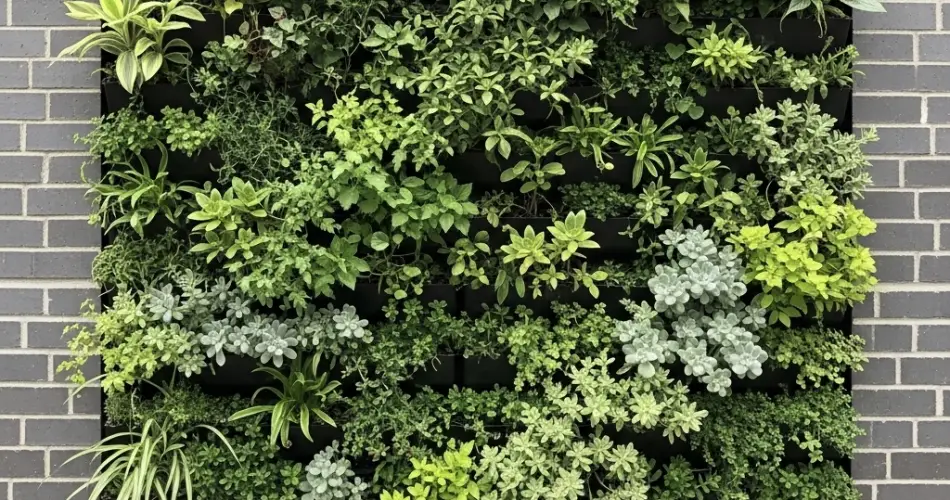
Turn a blank fence or wall into a vertical garden using stacked boxes or wall-mounted planters. It’s a great option for tight spaces and adds depth to your garden layout.
Materials needed:
-
Small wooden boxes or crates
-
Mounting hardware or brackets
-
Screws, level, and drill
-
Water-retaining soil
Style tips:
-
Paint the boxes in coordinating colors.
-
Mix flowering plants with trailing vines.
-
Add LED strip lights for nighttime ambiance.
Good for: Herbs, succulents, petunias, or trailing ivy.
7. Bench Planter Combo
Combine seating with greenery by building a bench with built-in planter boxes on either side. This dual-purpose feature is perfect for small yards or cozy garden nooks.
Materials needed:
-
Sturdy wood (2x4s, 4x4s, or deck boards)
-
Screws, saw, drill
-
Outdoor cushions (optional)
-
Waterproof liner for planter sections
Style tips:
-
Match wood tone to existing patio furniture.
-
Use tall plants for privacy.
-
Add climbing plants behind the bench for a lush backdrop.
Caring for Your DIY Plant Boxes
Once built, it’s important to maintain your planters to ensure plant health and longevity.
Quick care tips:
-
Use high-quality potting mix suited to the plants you choose.
-
Ensure proper drainage—drill holes if needed and avoid waterlogged soil.
-
Replenish nutrients with organic compost or balanced fertilizer throughout the season.
-
Treat wooden boxes annually with a natural sealant to prevent rot.
Final Thoughts
DIY plant boxes not only enhance your backyard’s aesthetic appeal but also offer functional growing space tailored to your needs. Whether you prefer rustic charm, modern minimalism, or playful creativity, there’s a planter design to match your style and skill level. With the right materials and a bit of effort, you can turn any outdoor space into a lush, organized garden retreat.


