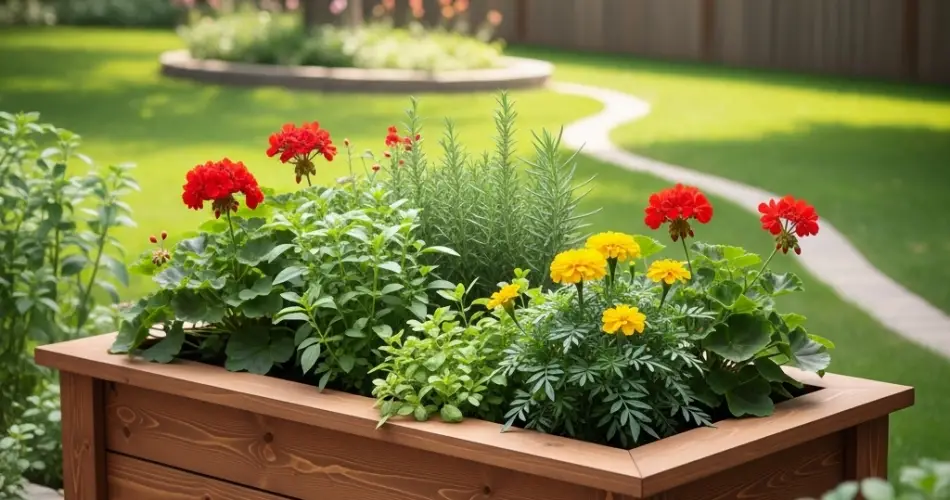
Plant boxes, also known as raised beds or container gardens, offer a practical and efficient way to grow your own vegetables. They are especially useful for those with limited space, poor soil conditions, or a desire for better garden organization. One of the key advantages of plant boxes is their versatility—many vegetables thrive in these compact, controlled environments.
Whether you’re a beginner gardener or looking to maximize your harvest in a small space, here are the best vegetables to grow in plant boxes and tips to help each one thrive.
1. Lettuce and Leafy Greens
Lettuce, spinach, arugula, and Swiss chard grow exceptionally well in plant boxes. These leafy greens don’t require deep soil and are perfect for shallow containers.
-
Soil depth: 6–8 inches
-
Growing tip: Sow seeds directly into the soil and harvest leaves as needed (cut-and-come-again method).
-
Bonus: You can grow multiple crops per season by replanting every few weeks.
2. Radishes
Radishes are one of the fastest-growing root vegetables and are ideal for small spaces.
-
Soil depth: 6 inches
-
Growing tip: Plant in loose, well-draining soil to encourage uniform root development.
-
Bonus: Ready to harvest in as little as 3 to 4 weeks.
3. Carrots
Short and round carrot varieties are great for plant boxes, especially when space is limited.
-
Soil depth: 10–12 inches
-
Growing tip: Thin seedlings after sprouting to allow enough room for root expansion.
-
Bonus: Choose varieties like ‘Paris Market’ or ‘Thumbelina’ for shallow containers.
4. Green Onions and Chives
Green onions (scallions) and chives are compact, low-maintenance, and excellent for plant boxes.
-
Soil depth: 6–8 inches
-
Growing tip: Keep the soil moist and harvest greens by snipping from the base.
-
Bonus: Chives are perennial and can regrow for several seasons.
5. Tomatoes
Tomatoes are a favorite among gardeners and do well in deeper plant boxes, especially compact or determinate varieties.
-
Soil depth: 12–18 inches
-
Growing tip: Provide a sturdy stake or cage for support and ensure full sun exposure.
-
Bonus: Cherry tomatoes like ‘Tiny Tim’ or ‘Patio Princess’ are perfect for containers.
6. Peppers
Bell peppers and chili peppers adapt well to plant boxes and produce abundantly in warm, sunny conditions.
-
Soil depth: 12 inches
-
Growing tip: Keep soil consistently moist and feed with balanced fertilizer every few weeks.
-
Bonus: Great for colorful, compact gardens with a variety of pepper types.
7. Beans
Bush beans are an excellent choice for plant boxes because they don’t require support like pole beans.
-
Soil depth: 8–10 inches
-
Growing tip: Plant in succession every 2–3 weeks for continuous harvests.
-
Bonus: Beans help fix nitrogen in the soil, benefiting nearby plants.
8. Beets
Beets grow well in loose, fertile soil and provide both edible roots and nutrient-rich greens.
-
Soil depth: 10–12 inches
-
Growing tip: Thin seedlings to prevent overcrowding and ensure proper root formation.
-
Bonus: Harvest young leaves for salads while roots continue to develop.
9. Herbs
Many herbs thrive in plant boxes, making them perfect for beginner gardeners. Try basil, parsley, cilantro, thyme, mint, and oregano.
-
Soil depth: 6–8 inches
-
Growing tip: Place boxes near the kitchen for quick and easy access to fresh herbs.
-
Bonus: Most herbs can be grown together in the same box with proper spacing.
10. Cucumbers (Bush Varieties)
Bush cucumbers are more compact than their vining counterparts and work well in larger plant boxes.
-
Soil depth: 12 inches
-
Growing tip: Use a small trellis or cage to keep fruit off the soil and improve air circulation.
-
Bonus: Great for pickling and snacking, with prolific yields in warm weather.
Tips for Success in Plant Boxes
-
Choose the right soil: Use a high-quality potting mix or garden soil enriched with compost. Avoid using plain ground soil, which may be too heavy and poorly drained.
-
Ensure proper drainage: Make sure your plant box has drainage holes or a layer of gravel at the bottom to prevent root rot.
-
Water consistently: Containers dry out faster than in-ground beds. Check moisture daily, especially during hot weather.
-
Feed regularly: Use organic fertilizer or compost tea every few weeks to replenish nutrients.
-
Rotate crops: Change up your plantings each season to prevent soil depletion and pest buildup.
Final Thoughts
Plant boxes are a versatile and efficient way to grow fresh, healthy vegetables at home—whether you’re gardening on a patio, balcony, or backyard. By selecting the right crops and providing the proper care, you can enjoy continuous harvests throughout the growing season. Start with easy-to-grow vegetables like leafy greens, carrots, and peppers, and soon your plant boxes will be overflowing with delicious produce.


