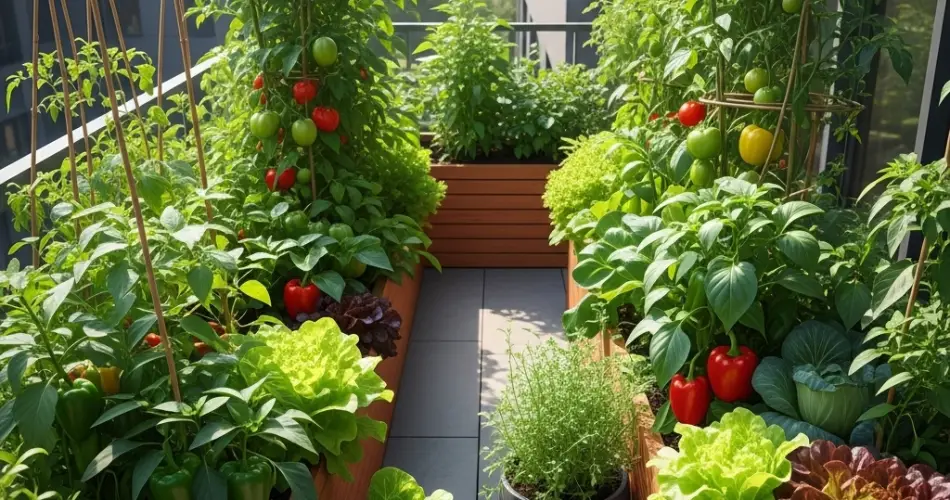
Urban living doesn’t mean you have to give up on the idea of growing your own vegetables. With the right approach, even a small balcony can be transformed into a thriving garden. Container gardening is an excellent solution for city dwellers who want fresh produce without a yard. Many vegetables adapt well to containers and require minimal space, making them ideal for balconies. Here’s a look at some of the best vegetables to grow in containers, along with helpful tips to ensure your balcony garden is a success.
1. Tomatoes
Tomatoes are one of the most popular choices for balcony gardens. They thrive in containers as long as they receive at least 6–8 hours of sunlight per day. Choose compact or dwarf varieties like ‘Tiny Tim’ or ‘Patio Princess’ for the best results in limited space. Use a large pot, at least 12 inches deep, and support the plant with stakes or a small trellis. Regular watering and consistent feeding with a balanced fertilizer will help your tomatoes flourish.
2. Lettuce and Salad Greens
Lettuce, arugula, spinach, and other leafy greens are perfect for container gardening. They grow quickly, don’t require much depth, and are suitable for shallow containers. These greens prefer cooler temperatures and can even thrive with partial sunlight. Sow seeds every couple of weeks to maintain a steady harvest throughout the growing season.
3. Radishes
Radishes are fast-growing root vegetables that are ideal for beginners. They require a pot at least 6 inches deep and plenty of sunlight. With some varieties maturing in as little as 25 days, you can enjoy multiple harvests in a single season. Ensure the soil is well-draining and slightly loose to allow roots to develop properly.
4. Peppers
Bell peppers and chili peppers are excellent for balcony gardens because they are compact and love the heat. They need full sun and a pot that’s at least 10–12 inches deep. Use rich, well-draining soil and water consistently without letting the soil become soggy. Peppers are also attractive plants, adding a splash of color to your outdoor space.
5. Green Beans
Pole beans and bush beans both do well in containers, but bush varieties are better suited for limited space. Use a deep container and place it in a sunny location. Pole beans will require a trellis or other vertical support, while bush beans don’t. Beans fix their own nitrogen, so they don’t require heavy fertilization. Just keep the soil moist and harvest regularly to encourage more pods.
6. Carrots
Carrots can be grown in containers as long as the pot is deep enough—at least 12 inches for standard varieties. Alternatively, opt for shorter or round types like ‘Thumbelina’ or ‘Paris Market’ if you’re limited on depth. Carrots prefer loose, stone-free soil. Sow the seeds thinly and keep the soil consistently moist during germination.
7. Herbs
While not technically vegetables, herbs like basil, parsley, chives, mint, and thyme are fantastic additions to any balcony garden. Most herbs grow well in containers and can be harvested regularly. They don’t require much space and can be grown alongside vegetables or in separate pots. Mint is best kept in its own container, as it can quickly overtake other plants.
8. Zucchini and Cucumbers
Both zucchini and cucumbers can be grown in large containers, especially compact or bush varieties. Choose a deep pot and provide a trellis or cage for vertical support. These plants need full sun and regular watering. Container-grown zucchini and cucumbers can be surprisingly productive when well cared for.
Tips for Successful Balcony Container Gardening
-
Choose the Right Containers: Ensure containers have adequate drainage holes and are large enough for the root systems of your chosen vegetables.
-
Use Quality Potting Mix: Avoid using garden soil in containers. Instead, opt for a light, nutrient-rich potting mix that retains moisture but drains well.
-
Water Regularly: Container plants dry out faster than those in the ground. Check moisture levels daily, especially during hot weather.
-
Fertilize Wisely: Use a balanced, water-soluble fertilizer every couple of weeks to provide nutrients lost through frequent watering.
-
Maximize Space: Use vertical space with hanging baskets, shelves, or trellises to grow more in a small area.
-
Rotate Crops: If you’re growing year-round, rotate crops to prevent soil depletion and pest buildup.
Container gardening on a balcony is a rewarding and efficient way to grow fresh vegetables at home. With a little planning and care, your small space can produce a surprising variety of healthy and delicious food. Whether you’re a seasoned gardener or just getting started, these vegetable choices are ideal for urban environments and tight quarters.


