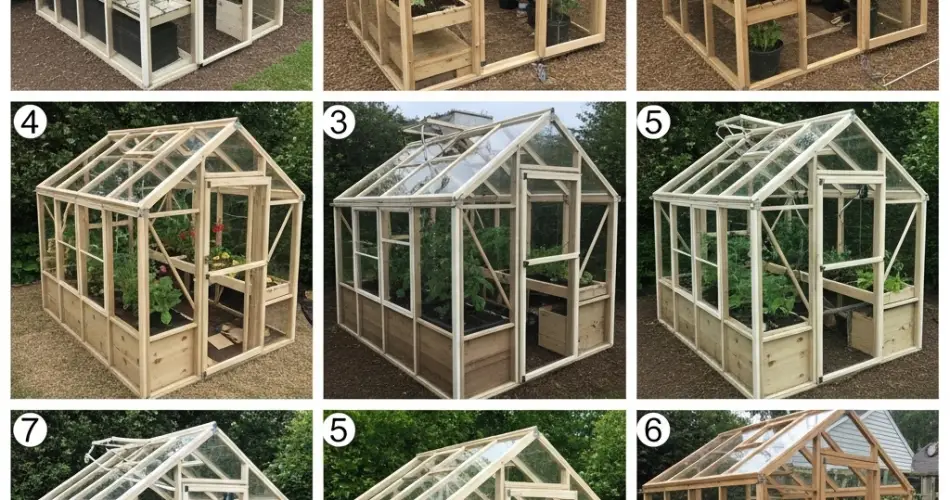
Creating a homemade greenhouse is a practical and rewarding way to extend your growing season, protect delicate plants, and grow vegetables, herbs, or flowers year-round. Whether you’re working with a small backyard, a balcony, or a larger garden plot, choosing the right materials for your greenhouse is essential to ensure durability, temperature control, and plant health. Here’s a comprehensive guide to the best materials for building your own greenhouse at home.
1. Framing Materials
The frame is the backbone of any greenhouse, so it must be strong enough to support the covering and withstand wind, rain, and other environmental pressures.
PVC Pipes
Lightweight, affordable, and easy to assemble, PVC pipes are a popular choice for DIY greenhouse frames. They’re great for small tunnel-style greenhouses and can be bent into arches without needing special tools. However, PVC may degrade under prolonged UV exposure, so it’s important to choose UV-stabilized types or apply a protective paint.
Wood
Wooden frames are attractive and easy to work with, making them ideal for gardeners who enjoy traditional aesthetics. Cedar and redwood are naturally rot-resistant, while pressure-treated pine offers a budget-friendly alternative. Regular maintenance, like sealing or staining, will prolong the life of a wooden frame.
Metal (Galvanized Steel or Aluminum)
For a more durable option, galvanized steel and aluminum are excellent choices. These metals resist rust and corrosion, making them suitable for long-term greenhouse structures. While metal frames are more expensive and may require more tools to assemble, they provide strength and stability, especially for larger greenhouses.
2. Covering Materials
The covering determines how much light and heat enter the greenhouse. The best covering balances sunlight transmission with insulation and protection from the elements.
Polyethylene Film
This plastic film is widely used for hobby and commercial greenhouses alike. It’s affordable, easy to install, and allows good light transmission. Double-layered polyethylene with an air gap between the layers offers improved insulation. However, it typically needs to be replaced every 3–5 years.
Polycarbonate Panels
Available in single, double, or triple-wall formats, polycarbonate panels offer excellent insulation and light diffusion. They’re much more durable than polyethylene film and can last 10 years or more. These panels are also shatter-resistant and withstand hail, snow, and strong winds.
Acrylic Sheets
Acrylic provides a glass-like appearance and transmits light effectively, making it a good option for gardeners looking to maximize sunlight. It’s more impact-resistant than glass but can yellow over time if not UV-treated.
Glass
Although heavy and more fragile, glass is still a viable material for greenhouse coverings. It provides excellent light clarity and long-term durability when installed properly. However, it usually requires a strong frame and professional installation, which may raise the cost and complexity.
3. Flooring Options
While often overlooked, proper flooring helps manage moisture, drainage, and weed control inside a greenhouse.
Gravel
Gravel is one of the most practical flooring options. It provides good drainage, prevents weeds, and can be easily leveled. Laying down a weed barrier fabric underneath adds extra protection.
Concrete or Pavers
For a permanent, stable, and clean surface, concrete or stone pavers are ideal. They’re easy to clean and excellent for heavy traffic or potting benches but may require proper drainage to avoid puddling.
Mulch or Wood Chips
Mulch is a cost-effective and natural choice, offering a soft walking surface and helping regulate humidity. However, it may harbor pests or mold if not replaced periodically.
4. Ventilation and Insulation
Greenhouses need ventilation to prevent overheating and provide fresh air to plants.
Ventilation Panels and Windows
Install operable roof vents, side vents, or louvered windows to allow hot air to escape. Automatic vent openers, which work without electricity, are useful for maintaining ideal temperatures.
Shade Cloth and Insulation
In hotter climates, adding shade cloth during summer prevents heat stress in plants. In colder months, thermal blankets or bubble wrap insulation along the interior walls can help retain heat overnight.
5. Additional Accessories
Consider these extras to enhance the efficiency and ease of greenhouse gardening:
-
Rainwater collection system to reuse water for plants
-
Thermometers and hygrometers for climate monitoring
-
Shelving units or raised beds for organized growing space
-
Grow lights to supplement natural sunlight, especially in winter
Final Thoughts
Building a greenhouse at home is more accessible than ever, thanks to a variety of cost-effective and easy-to-use materials. Your choice of frame, covering, flooring, and accessories should depend on your local climate, budget, and the plants you plan to grow. With the right materials and a little effort, your homemade greenhouse can become a thriving, year-round growing space that supports your gardening goals for many seasons to come.


