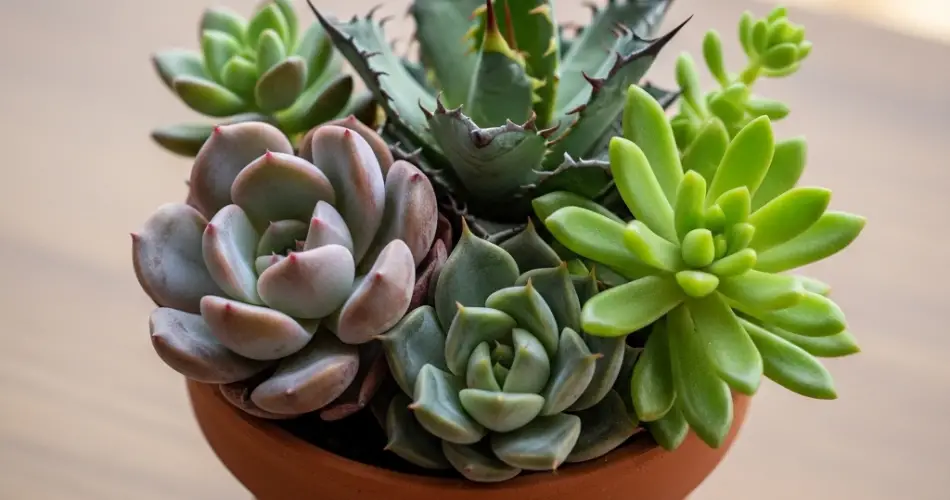
Succulents are among the most popular houseplants for beginners—and for good reason. These hardy, low-maintenance plants are known for their ability to store water in their leaves, making them drought-tolerant and resilient even for forgetful plant owners. Their wide variety of shapes, colors, and sizes also makes them incredibly attractive and fun to collect.
If you’re just starting your journey with succulents, here are 10 beginner-friendly varieties that are easy to care for, forgiving of mistakes, and guaranteed to brighten up your home or garden.
1. Echeveria
Echeveria is one of the most iconic succulent types, known for its rosette shape and pastel-colored leaves. It thrives in bright light and only needs watering when the soil is completely dry. Avoid watering from above to prevent rot in the rosette center. With hundreds of cultivars available, it’s an ideal starter plant that’s both decorative and easygoing.
2. Jade Plant (Crassula ovata)
The jade plant is a classic houseplant that can grow into a small tree over time. It has thick, glossy leaves and woody stems. Jade thrives on neglect and prefers to dry out between waterings. It enjoys bright, indirect sunlight and can live for decades with minimal effort, making it a perfect choice for new plant parents.
3. Aloe Vera
Best known for its soothing gel, aloe vera is also a tough succulent that loves full sun and dry conditions. Its spiky, green leaves grow in clusters, and the plant is perfect for sunny windowsills. Water sparingly and use well-draining soil to avoid root rot. As a bonus, mature plants often produce “pups” or offsets you can propagate easily.
4. Zebra Haworthia (Haworthiopsis attenuata)
This small but striking succulent features dark green leaves with white stripes, resembling a zebra pattern. Unlike some succulents, Haworthia can tolerate lower light conditions, making it great for office desks or shaded rooms. It stays compact, rarely needs repotting, and is incredibly low maintenance.
5. Panda Plant (Kalanchoe tomentosa)
The panda plant is a fuzzy succulent with silvery-green leaves edged in dark brown spots. Its soft texture and unique appearance make it stand out in any collection. Panda plants prefer bright light and minimal watering. Let the soil dry completely between waterings to keep the roots healthy.
6. Burro’s Tail (Sedum morganianum)
With trailing stems covered in plump, teardrop-shaped leaves, Burro’s Tail is a showstopper in hanging baskets. It requires plenty of light and gentle handling, as its leaves fall off easily. It’s perfect for bright indoor spaces and thrives with infrequent watering and well-draining soil.
7. String of Pearls (Senecio rowleyanus)
This succulent has a distinctive trailing habit, with round, bead-like leaves resembling green pearls. It loves bright, indirect light and needs infrequent watering. Let the soil dry out completely before watering again. While it may seem delicate, it’s surprisingly easy to grow when you avoid overwatering.
8. Graptopetalum paraguayense (Ghost Plant)
The ghost plant has pale, silvery leaves that change color depending on sun exposure. Its rosette shape spreads and cascades, creating beautiful arrangements. It tolerates neglect and quickly recovers from under-watering, making it a great introduction to outdoor succulent gardening as well.
9. Snake Plant (Sansevieria trifasciata)
While not always classified as a succulent, the snake plant stores water in its thick, upright leaves and requires the same care as other succulents. It thrives in low light, tolerates dry air, and needs very little watering. It’s practically indestructible and ideal for beginners who want a taller, more vertical plant.
10. Portulacaria afra (Elephant Bush)
Often confused with jade plant, the elephant bush has smaller, rounder leaves and a more branching habit. It’s a favorite among bonsai enthusiasts but is also easy to grow indoors or on patios. It enjoys lots of light, infrequent watering, and can be pruned to shape.
Care Tips for Succulent Success
No matter which succulents you choose, keep these general care tips in mind:
-
Use well-draining soil: Succulents hate sitting in wet soil. Choose a cactus or succulent mix, or amend regular soil with sand or perlite.
-
Don’t overwater: Water only when the soil is completely dry. Overwatering is the most common cause of failure.
-
Ensure bright light: Most succulents need at least 4–6 hours of light daily. South or east-facing windows are ideal.
-
Provide airflow: Good ventilation helps prevent mold, rot, and pests.
-
Watch for pests: Mealybugs and spider mites can appear—treat with neem oil or soapy water if needed.
Final Thoughts
Succulents are a joy to grow and a great introduction to the world of plants. Their adaptability and beauty make them a favorite for beginners and experienced gardeners alike. With just a little attention to light, watering, and soil, your succulents will reward you with year-round charm and effortless style. Whether you’re decorating a sunny windowsill or starting a container garden, these beginner-friendly varieties are a perfect place to start.


