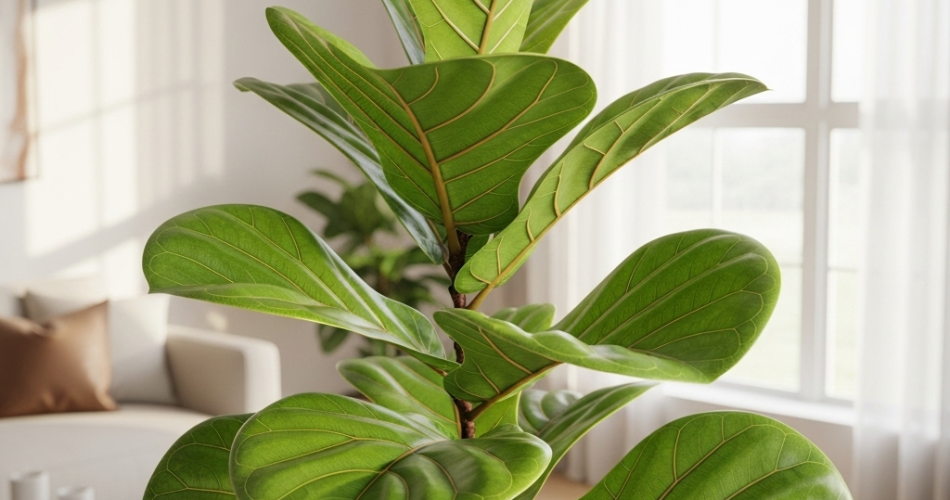
The Fiddle Leaf Fig (Ficus lyrata) has become a beloved staple in modern indoor gardening. Its large, glossy, violin-shaped leaves and bold vertical growth make it a striking statement plant for any space. But while it’s known for its visual appeal, this plant has a reputation for being finicky. The good news? With just a few consistent practices, you can grow a thriving, fuss-free fiddle leaf fig at home.
Here’s how to care for your fiddle leaf fig so it grows healthy and strong—without the stress.
1. Pick the Perfect Spot
Fiddle leaf figs need plenty of light to flourish, but they’re sensitive to extremes. The key is consistency.
-
Bright, indirect light is ideal. Place your plant near a sunny, east- or south-facing window. A spot with filtered morning light is perfect.
-
Avoid direct afternoon sun, which can scorch the leaves.
-
Don’t move it too often—fiddle leaf figs dislike change. Once you find a good location, keep it there unless absolutely necessary.
If your plant gets leggy or leans toward the light, it likely needs more sun. Rotate it weekly to encourage even growth.
2. Water with Care
Overwatering is the most common cause of fiddle leaf fig problems, especially root rot. But underwatering isn’t good either.
-
Water only when the top 1–2 inches of soil feels dry. This usually means watering once every 7–10 days, but always check the soil first.
-
Water thoroughly until excess runs out of the drainage holes, then empty the saucer.
-
Use room temperature water and avoid letting the plant sit in soggy soil.
If the leaves turn yellow or drop, check your watering routine. Overwatering often causes brown spots and leaf drop, while dry, crispy edges suggest underwatering.
3. Use the Right Pot and Soil
Fiddle leaf figs prefer a well-draining environment.
-
Choose a pot with drainage holes. Avoid pots that trap moisture at the bottom.
-
Use a high-quality potting mix that drains well but still holds some moisture. A mix made for indoor tropical plants or one blended with perlite or bark is ideal.
Repot your plant every 1–2 years or when it outgrows its container. Spring is the best time to repot.
4. Maintain a Stable Environment
These plants are native to tropical rainforests, so they like warm, humid, and steady conditions.
-
Keep temperatures between 60°F and 75°F (15°C to 24°C).
-
Avoid placing the plant near cold drafts, air conditioners, or heaters.
-
Fiddle leaf figs appreciate moderate humidity. If your home is dry, try misting the plant, placing it near a humidifier, or grouping it with other plants.
Sudden temperature changes or drafts can lead to leaf loss and stunted growth.
5. Fertilize During the Growing Season
To keep your plant healthy and encourage new growth, feed it during the active growing period—spring through early fall.
-
Use a balanced liquid fertilizer (such as 10-10-10 or 20-20-20) diluted to half strength.
-
Fertilize once a month during spring and summer.
-
Skip fertilizing in winter, when growth naturally slows.
Avoid over-fertilizing, which can lead to salt buildup and damage the roots.
6. Clean and Prune for Health and Appearance
Fiddle leaf figs can collect dust on their large leaves, which can block light and affect photosynthesis.
-
Wipe leaves gently with a damp cloth every few weeks.
-
Avoid using chemical leaf shine products.
-
If the plant gets too tall or leggy, prune the top leaves to encourage bushier growth.
-
Remove any yellowing, damaged, or dead leaves as needed.
Pruning not only keeps the plant looking tidy but also encourages healthier growth patterns.
7. Watch for Common Problems
While fiddle leaf figs aren’t prone to pests, you should still keep an eye out for issues like:
-
Brown spots: Usually a sign of overwatering or fungal infection.
-
Yellow leaves: Can be caused by stress, overwatering, or low light.
-
Dropping leaves: Often the result of sudden changes in light, temperature, or moisture.
For pests like spider mites or mealybugs, wipe the leaves with insecticidal soap or neem oil.
8. Don’t Panic Over Leaf Drop
Fiddle leaf figs will occasionally drop leaves, especially when adjusting to a new environment. This doesn’t always mean something is wrong. As long as new growth appears at the top and the plant is otherwise healthy, it’s just going through a natural phase.
9. Support Upright Growth
Fiddle leaf figs can become top-heavy as they grow taller.
-
Use a moss pole or bamboo stake if the plant begins to lean.
-
Turn the plant regularly to ensure even light exposure, which helps keep the stem straight.
If your plant becomes leggy, consider pruning to encourage fuller growth from the base.
Final Thoughts
Caring for a fiddle leaf fig doesn’t have to be overwhelming. Once you understand its basic needs—steady light, proper watering, warmth, and gentle attention—it becomes much easier to keep this stunning plant happy and thriving.
With consistent care, your fiddle leaf fig will reward you with rich green leaves and bold, upright growth that adds style and life to your home. Whether you’re a beginner or just want a low-fuss approach, following these tips will set your plant up for long-term success.


