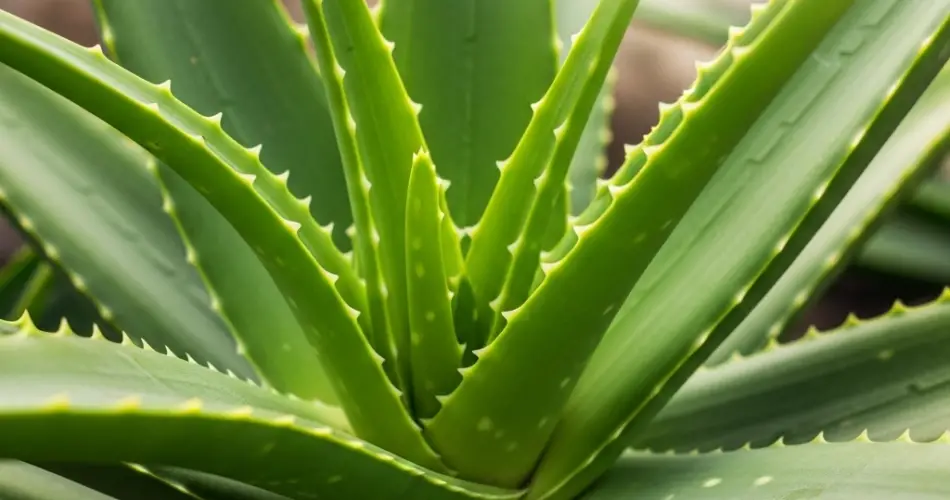
Aloe vera is one of the easiest and most forgiving plants to grow indoors—even if you don’t consider yourself a natural gardener. With its striking, fleshy leaves and powerful medicinal properties, aloe vera adds beauty and practicality to any living space. Best of all, this low-maintenance succulent thrives with very little effort when given the right conditions.
Whether you’re new to indoor gardening or just looking for a fuss-free plant, aloe vera is a perfect place to start. Here’s a complete guide to growing aloe vera indoors, no green thumb required.
Why Aloe Vera Is Ideal for Beginners
Aloe vera is a desert plant native to arid climates, which means it’s adapted to survive on minimal water and in poor soil. It naturally stores water in its thick leaves, making it drought-resistant and tolerant of occasional neglect. Even if you forget to water it or place it in a sunny corner and leave it alone, aloe will usually continue to grow just fine.
Additionally, aloe has medicinal uses: the gel inside the leaves is commonly used to soothe burns, moisturize skin, and treat minor cuts.
Choosing the Right Pot and Soil
Success with aloe vera starts with proper drainage. Aloe hates soggy roots and can quickly develop root rot if planted in the wrong container or soil.
Pot Requirements:
-
Choose a pot with drainage holes at the bottom.
-
Terracotta pots are ideal because they help wick away excess moisture.
-
Avoid pots that retain water or are made from materials that don’t breathe well.
Soil Mix:
-
Use a succulent or cactus potting mix.
-
If using regular potting soil, mix in coarse sand or perlite (about 1 part sand/perlite to 2 parts soil).
-
Avoid heavy or moisture-retentive soil.
This setup ensures excess water drains quickly and keeps the roots healthy.
Light Requirements for Aloe Vera
Aloe vera loves bright, indirect sunlight. Ideally, place your plant near a south- or west-facing window where it can soak up 6 to 8 hours of light a day.
If your aloe gets too little light, it may become leggy, stretch out, or develop pale leaves. On the other hand, too much direct sunlight (especially through glass) can cause leaf burn, turning the tips brown or orange.
If natural light is limited, consider using a grow light for a few hours each day to supplement sunlight.
How to Water Aloe Vera Properly
One of the most common mistakes people make with aloe vera is overwatering. Aloe doesn’t like constantly moist soil. Follow these simple watering rules:
-
Water only when the top 2 inches of soil are dry.
-
Typically, this means watering every 2 to 3 weeks, though it may vary depending on your home’s humidity and temperature.
-
In winter, reduce watering to once every 3 to 4 weeks, as aloe enters a semi-dormant state and needs less moisture.
-
When you do water, give it a deep soak until water drains out of the bottom, then let the pot drain thoroughly.
Never let the plant sit in a saucer full of standing water.
Ideal Indoor Conditions for Aloe Vera
Aloe vera thrives in warm, dry environments. Here’s what it needs indoors:
-
Temperature: Keep it between 60–80°F (15–27°C). Avoid placing it near cold drafts or heating vents.
-
Humidity: Aloe prefers low humidity, so typical indoor air is usually fine.
-
Air circulation: Good airflow helps prevent pests and diseases. Avoid overcrowding your aloe among too many other plants.
Feeding and Fertilizing
Aloe doesn’t need much food. You can feed it once or twice during the growing season (spring and summer) with a diluted succulent fertilizer or a balanced houseplant fertilizer.
Skip feeding in fall and winter, when the plant’s growth slows down naturally.
Pruning and Repotting
Aloe vera doesn’t require regular pruning, but you can remove:
-
Any dead or damaged leaves at the base
-
Offsets or “pups” that grow around the main plant (these can be repotted to grow new aloe plants)
Repot your aloe every 2 to 3 years, or when it outgrows its container. Choose a slightly larger pot and refresh the soil to give the plant more room to thrive.
Common Problems and How to Avoid Them
Even for beginners, aloe vera rarely gives trouble—but keep an eye out for:
-
Yellow or mushy leaves: Usually a sign of overwatering.
-
Brown leaf tips: Could indicate too much sun or a lack of water.
-
Slow growth: May result from insufficient light or cramped roots.
A quick adjustment in care typically solves these issues.
Benefits of Growing Aloe Vera Indoors
Aside from being easy to care for, aloe vera offers several practical benefits:
-
Air purification: It helps remove toxins from indoor air.
-
Natural healing: The gel can be used to treat minor burns, scrapes, or insect bites.
-
Decor appeal: Its spiky, architectural form makes it a stylish houseplant choice.
Final Thoughts
You don’t need gardening experience to grow aloe vera successfully indoors. With the right light, proper watering habits, and well-draining soil, your aloe will flourish with very little attention. Whether you’re growing it for its looks or its soothing gel, aloe vera is a reliable and rewarding houseplant—even for self-proclaimed black thumbs.
Give it a sunny spot, ignore it more than you pamper it, and you’ll be rewarded with a happy, healthy plant that grows year after year.


