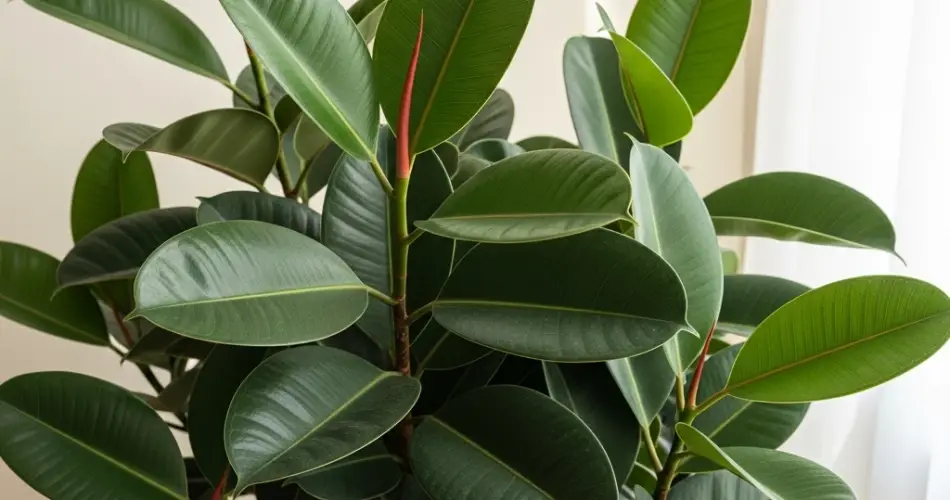
The rubber plant (Ficus elastica) is a popular indoor houseplant, admired for its glossy leaves and bold structure. Native to Southeast Asia, this low-maintenance plant can grow into an impressive indoor tree if properly cared for. With the right light, pruning techniques, and a few strategic tricks, you can grow a tall and bushy rubber plant that becomes a stunning centerpiece in your home.
Whether you’re starting from a small plant or nurturing an existing one, this guide will walk you through everything you need to know to encourage both height and fullness in your rubber plant.
Choose the Right Variety
There are several types of rubber plants, each with slightly different growth habits:
-
Ficus elastica ‘Robusta’ – known for large, deep green leaves and vigorous growth
-
Ficus elastica ‘Tineke’ – features variegated leaves with cream and green tones
-
Ficus elastica ‘Burgundy’ – has dark, nearly black foliage for a dramatic look
Regardless of the variety, the basic care principles for promoting vertical and lateral growth are the same.
Provide Bright, Indirect Light
Rubber plants need plenty of bright, indirect sunlight to grow tall and bushy. A spot near an east or south-facing window with filtered light is ideal. While they can tolerate lower light conditions, growth will be slower and leggier.
Avoid placing the plant in direct sunlight, especially in the afternoon, as it can scorch the leaves. If natural light is limited, consider using a grow light to supplement brightness and keep your rubber plant growing evenly.
Use the Right Pot and Soil
Start your plant in a pot with good drainage. Rubber plants don’t like soggy roots, so always use a container with drainage holes.
The ideal potting mix is:
-
Well-draining and slightly acidic
-
A blend of peat, perlite, and pine bark or sand works well
-
You can also use a general-purpose indoor plant soil with added perlite for extra drainage
Make sure the plant isn’t in a pot that’s too large, as this can lead to water retention and root rot.
Watering for Growth
Rubber plants prefer evenly moist soil during the growing season (spring and summer), but dislike being overwatered. Follow this watering guide:
-
Water when the top 1–2 inches of soil feel dry
-
Reduce watering in fall and winter when growth slows
-
Always empty the saucer after watering to prevent root rot
Overwatering can lead to yellowing leaves and soft stems, while underwatering may cause drooping and leaf loss.
Feeding for Lush Growth
Fertilize your rubber plant during the growing season to encourage both height and fullness. Use a balanced, water-soluble fertilizer (such as 10-10-10 or 20-20-20) every 4–6 weeks during spring and summer.
Avoid fertilizing in the dormant winter months, as the plant’s growth naturally slows down.
Pruning to Encourage Bushiness
One of the best ways to grow a bushier rubber plant is through strategic pruning. Here’s how:
-
Wait until your plant is at least 2–3 feet tall
-
Use clean, sharp pruning shears to cut just above a node (where a leaf joins the stem)
-
Pruning the top growth encourages the plant to branch out below the cut
-
You can also remove lower leaves or weak stems to shape the plant as it grows
Don’t discard the pruned stems—many can be used for propagation to grow new plants.
Encourage Height with Support and Light
If your goal is to grow a tall rubber plant:
-
Keep it in a well-lit location to avoid legginess
-
Rotate the plant weekly to ensure even growth on all sides
-
As it grows taller, use a bamboo stake or moss pole for added support
Rubber plants can grow several feet tall indoors with the right care. If grown from a young plant, give it time—growth accelerates once it establishes a strong root system.
Propagation Tips for a Fuller Look
To thicken your rubber plant, consider propagating cuttings and planting them in the same pot. This creates the appearance of a bushier, multi-stemmed plant.
Here’s a simple method:
-
Take a 6–8 inch cutting with at least one leaf and a node
-
Dip the cut end in rooting hormone
-
Place it in water or directly in moist potting soil
-
Once roots develop, plant it next to the main stem
This creates the illusion of one full plant from multiple stems.
Keep It Clean and Pest-Free
Wipe the leaves regularly with a damp cloth to remove dust, which can block light and slow photosynthesis. This also helps you inspect for pests like spider mites, mealybugs, or scale.
If you notice pests, treat them early with insecticidal soap or neem oil.
Final Thoughts
With bright light, consistent watering, and occasional pruning, a rubber plant can grow into a tall, leafy statement piece that brings natural beauty to any indoor space. It’s a resilient houseplant that rewards proper care with dramatic foliage and a sculptural presence.
Whether you want a towering indoor tree or a full, compact bush, regular attention to light, water, and pruning will ensure your rubber plant grows just the way you envision.


