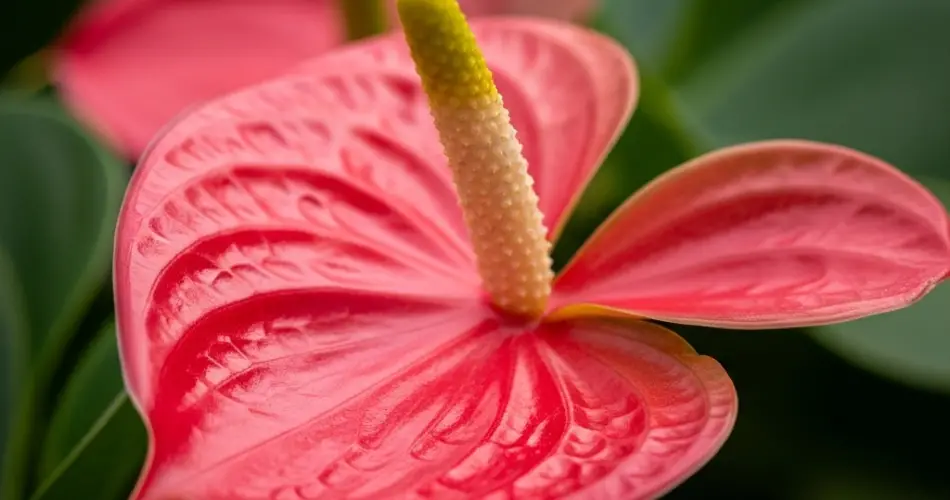
The Flamingo Flower, also known as Anthurium andraeanum, is a stunning tropical plant admired for its glossy, heart-shaped leaves and vibrant, waxy flowers—actually modified leaves called spathes. Its signature blooms, often in bright red, pink, or white, can bring a splash of color to your indoor space for months. With the right conditions, you can encourage this plant to flower nearly all year round.
While Anthuriums are relatively low-maintenance, they do require specific care to keep blooming consistently. Here’s how to create the ideal environment for year-round flowers.
1. Provide Bright, Indirect Light
One of the most critical factors for continuous blooming is light. Flamingo Flowers thrive in bright, indirect sunlight. Too little light will reduce or halt blooming, while too much direct sun can scorch the leaves.
-
Place the plant near an east or north-facing window, or use sheer curtains to filter stronger sun from south- or west-facing windows.
-
If natural light is insufficient, especially during winter, consider using a grow light to supplement.
-
Avoid placing the plant in dark corners or full shade, as it won’t bloom under low light conditions.
2. Keep the Temperature and Humidity Consistent
As a tropical plant, Anthurium prefers warm and humid conditions similar to its native rainforest habitat.
-
Ideal temperature range: 65–80°F (18–27°C). Keep it away from cold drafts, air conditioners, and heaters.
-
Humidity: Flamingo Flowers flourish in humidity levels above 60%. If the air in your home is dry:
-
Use a humidity tray or humidifier.
-
Group it with other humidity-loving plants.
-
Mist the leaves regularly, but avoid misting the flowers directly.
-
Stable warmth and humidity promote constant flowering and lush foliage.
3. Water Wisely
Improper watering is one of the most common reasons Flamingo Flowers stop blooming. While they like moist soil, they do not tolerate soggy roots.
-
Water when the top inch of soil is dry, usually once a week during warmer months and every 10–14 days in cooler seasons.
-
Use room-temperature water, and ensure the pot has drainage holes.
-
Never let the plant sit in standing water—empty saucers after watering.
Too much or too little water can stress the plant, reducing flowering.
4. Feed Regularly with the Right Fertilizer
Feeding your Anthurium with the proper nutrients supports healthy growth and continuous flowering.
-
Use a balanced liquid fertilizer (such as 20-20-20) diluted to half strength.
-
Apply fertilizer once a month during spring and summer.
-
During fall and winter, reduce feeding to every 6–8 weeks, or stop altogether if blooming slows.
Avoid overfertilizing, as this can lead to salt buildup in the soil and harm the roots.
5. Choose the Right Potting Mix
Flamingo Flowers need well-draining soil that retains some moisture but doesn’t become waterlogged.
-
Use a mix designed for orchids or aroids, or make your own using equal parts peat moss, pine bark, and perlite.
-
Ensure the mix is light and airy, allowing roots to breathe while still retaining enough moisture.
Repot every 2–3 years to refresh the soil and provide room for growth.
6. Prune Spent Flowers and Damaged Leaves
Regular pruning encourages the plant to redirect its energy toward new blooms.
-
Trim faded flowers at the base of the stem to promote new ones.
-
Remove yellowing or dead leaves to keep the plant tidy and healthy.
-
Always use clean, sharp scissors or pruners to avoid spreading disease.
This simple habit helps the plant maintain a continuous cycle of blooming.
7. Give the Plant Time to Rest
While it’s possible to keep Flamingo Flowers blooming most of the year, even healthy plants sometimes take a short break from flowering.
-
If your plant stops blooming temporarily, don’t panic—ensure it’s getting the right care.
-
Allow the plant to rest briefly in winter by reducing watering and feeding. As light and warmth increase, it will likely resume blooming.
Consistency in care is key to encouraging blooms to return quickly.
8. Propagate to Refresh Older Plants
Older Anthuriums may slow down in flower production. To rejuvenate, divide the plant or propagate it.
-
Remove the plant from its pot and gently divide at the root level.
-
Replant the divisions in fresh soil and give them the same bright, humid conditions.
This not only gives you new plants but also revitalizes blooming potential.
Final Thoughts
With the right combination of light, moisture, temperature, and care, your Flamingo Flower can bloom continuously throughout the year. Remember: bright indirect light, consistent humidity, proper watering, and regular feeding are the cornerstones of successful blooming.
Whether placed on a windowsill, a tabletop, or part of a tropical indoor arrangement, a thriving Anthurium will reward you with months of vibrant color and tropical elegance. Even without a green thumb, this exotic beauty can flourish and flower all year long with just a bit of attention and the right environment.


