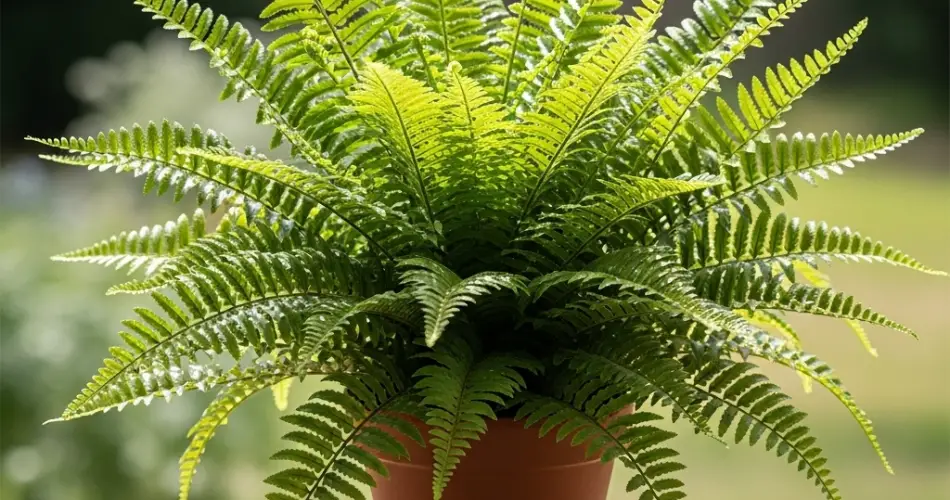
Boston ferns (Nephrolepis exaltata) are among the most beloved houseplants, admired for their delicate, arching fronds and vibrant green color. These ferns bring a touch of softness and classic beauty to indoor spaces, hanging baskets, or shaded patios. While Boston ferns are relatively low-maintenance once their needs are understood, they can become dry, scraggly, or yellowed without the right care.
If you want your Boston fern to stay lush and green throughout the year, follow this complete care guide. From light and humidity to watering and pruning, here’s everything you need to know.
Understanding the Needs of a Boston Fern
Boston ferns are tropical plants native to humid, forested environments. To thrive indoors, they require similar conditions: moderate light, high humidity, and consistent moisture. When given the right environment, Boston ferns grow rapidly and retain their thick, graceful foliage.
Light: Bright, Indirect Sunlight Is Best
Boston ferns love filtered or dappled light—think of the kind they’d receive under a forest canopy. Indoors, place your fern near an east-facing window where it can get gentle morning sun, or a few feet away from a bright south or west window with sheer curtains to diffuse the light.
Avoid direct afternoon sun, which can scorch the fronds. If your fern’s fronds are fading in color or looking sparse, it may be getting too little light. On the other hand, crispy, brown tips may suggest too much direct sun exposure.
Watering: Keep the Soil Evenly Moist
Water is critical to a Boston fern’s health, but it’s a delicate balance. The soil should remain consistently moist—never soggy, but never dry.
Here’s how to water your fern properly:
-
Water thoroughly when the top inch of soil feels dry.
-
Ensure your pot has drainage holes to prevent waterlogging.
-
Use room temperature water to avoid shocking the roots.
-
In warm months, you may need to water several times per week. In cooler months, reduce the frequency.
If the fern’s fronds start turning yellow or falling off, it might be a sign of underwatering or overly dry soil.
Humidity: The Key to Lush Fronds
Boston ferns thrive in high humidity, ideally between 50–80%. Low indoor humidity—especially in winter—can cause browning tips and leaf drop.
To boost humidity levels:
-
Mist the plant daily with a fine spray of water.
-
Place the pot on a humidity tray (a shallow dish filled with pebbles and water).
-
Use a humidifier nearby, particularly in winter.
-
Group your fern with other plants to create a microclimate.
Dry indoor air is one of the top reasons Boston ferns struggle indoors, so maintaining humidity is essential for a full, green appearance.
Temperature: Keep It Mild and Stable
Boston ferns do best in temperatures between 60°F and 75°F (16°C to 24°C). They dislike sudden drafts, cold air, or dry heat from vents or radiators.
Avoid placing your fern near air conditioners, heaters, or windows that leak cold air in winter. A sudden drop in temperature can cause shock, leading to yellowing and frond loss.
Feeding: Fertilize During the Growing Season
Fertilizing helps your fern maintain lush growth, especially during the spring and summer.
-
Use a balanced, water-soluble fertilizer diluted to half strength.
-
Apply every 4–6 weeks during active growth periods.
-
Stop fertilizing in fall and winter when the plant enters a rest phase.
Avoid over-fertilizing, which can cause salt buildup and lead to browning leaf tips.
Pruning and Grooming
Regular grooming keeps your Boston fern healthy and attractive:
-
Trim off any yellow, brown, or damaged fronds at the base.
-
Remove old or sparse growth to encourage fresh new fronds.
-
Shake out or rinse the plant occasionally to remove dust.
A tidy fern is a happy fern—and cleaning it up helps light and air reach inner leaves, which improves overall growth.
Repotting and Soil Tips
Boston ferns prefer slightly acidic, rich, and well-draining soil. A peat-based potting mix designed for ferns or indoor plants works well. Consider adding perlite or sand for extra drainage.
Repot every 1–2 years in spring, or when the plant outgrows its pot. Look for signs like roots growing through the drainage holes or water running straight through the pot without being absorbed.
Winter Care
Indoor Boston ferns can slow down in winter due to lower light and humidity. To keep them healthy:
-
Move them to the brightest possible spot indoors.
-
Increase humidity with a humidifier or pebble tray.
-
Water less frequently but don’t let the soil dry out completely.
-
Avoid fertilizing during this dormant period.
With proper care, your fern will survive the winter and bounce back vigorously in spring.
Final Thoughts
Keeping your Boston fern lush and green all year is entirely achievable with a little attention to its tropical preferences. By mimicking its native environment—plenty of indirect light, consistent moisture, and high humidity—you’ll be rewarded with a full, elegant plant that adds a touch of timeless greenery to your home.
Whether displayed in a hanging basket, on a shelf, or nestled among other indoor plants, a thriving Boston fern is always a stunning sight.


