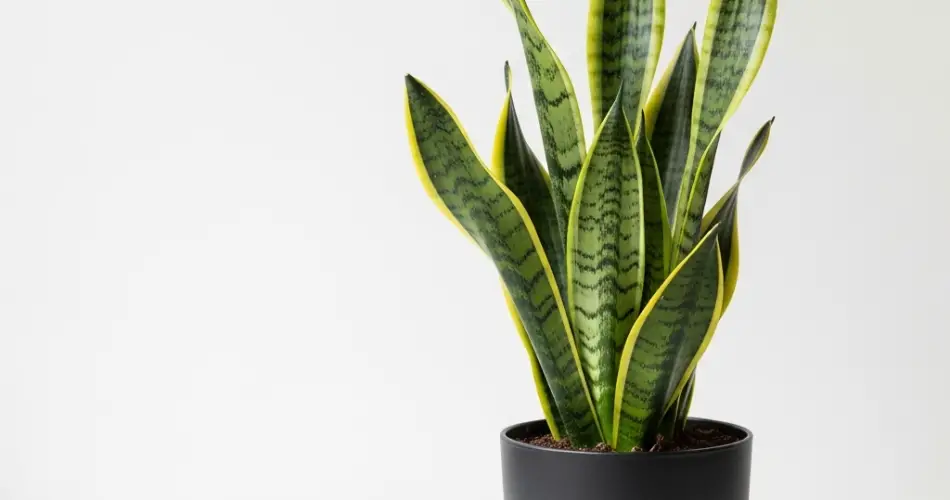
If you’re looking for a hardy, low-maintenance houseplant that can tolerate a wide range of conditions and still thrive, look no further than the snake plant (also known as Sansevieria or Dracaena trifasciata). Famous for its upright, sword-like leaves and tolerance to neglect, the snake plant is a favorite among beginners and seasoned plant lovers alike.
Not only does it add a modern touch to any room, but it also purifies the air and requires minimal care to stay healthy. Whether you’re just getting started with indoor gardening or want an easygoing plant that thrives on minimal attention, here are the top care tips to keep your snake plant looking its best.
Why Snake Plants Are So Resilient
Snake plants originate from arid regions of West Africa, where they’ve adapted to survive in dry, low-light conditions. This resilience makes them ideal for indoor environments where light might be limited, and watering routines can be inconsistent.
They are also known for their architectural appearance—tall, upright leaves with striking green and yellow patterns that remain beautiful year-round. The snake plant is not only forgiving but nearly indestructible, making it perfect for forgetful or busy plant owners.
Choosing the Right Location
One of the reasons snake plants are so easy to care for is their adaptability to various lighting conditions. That said, some light conditions are better than others for optimal growth.
-
Bright, indirect light is ideal. It encourages faster growth and richer leaf color.
-
Snake plants can tolerate low light, such as corners, hallways, or offices with fluorescent lighting.
-
They can also handle some direct sun, especially morning light, but too much intense sun can cause leaf scorching.
If your snake plant’s leaves are losing color or stretching unnaturally, try moving it to a brighter spot.
Watering: Less Is More
Overwatering is the number one killer of snake plants. These succulents are built to retain moisture, and their roots are prone to rot if left in wet soil.
-
Let the soil dry out completely between waterings.
-
During spring and summer, water every 2 to 4 weeks depending on light and temperature.
-
In fall and winter, reduce watering to once every 4 to 6 weeks.
-
Always use a pot with drainage holes to prevent standing water at the bottom.
If in doubt, it’s better to underwater than overwater a snake plant.
Soil and Pot Requirements
Snake plants thrive in well-draining soil. A standard succulent or cactus mix works best, but you can also make your own by mixing potting soil with sand or perlite.
When choosing a pot:
-
Opt for terra cotta or ceramic pots, which allow excess moisture to evaporate.
-
Ensure the pot has good drainage to avoid root rot.
-
Avoid oversized pots; snake plants like being a little root-bound.
Repotting every 2–3 years is sufficient and gives you a chance to refresh the soil or divide the plant.
Temperature and Humidity
Snake plants do best in temperatures between 60°F and 85°F (16°C to 29°C). They don’t like cold drafts or sudden temperature drops.
-
Avoid placing them near open windows in winter.
-
Snake plants can tolerate dry indoor air and don’t require high humidity.
In fact, their love of dry conditions makes them perfect for homes with central heating or air conditioning.
Feeding Your Snake Plant
While not heavy feeders, snake plants benefit from occasional fertilizing during the growing season.
-
Use a balanced liquid houseplant fertilizer diluted to half strength.
-
Feed once every 6 to 8 weeks in spring and summer.
-
Avoid fertilizing in winter, when the plant is dormant.
Too much fertilizer can lead to brown leaf tips or overgrowth, so keep feeding minimal.
Common Problems and Easy Fixes
Snake plants rarely get pests or diseases, but a few issues can arise:
-
Yellowing leaves: Usually a sign of overwatering.
-
Soft or mushy base: Indicates root rot—remove affected parts and repot.
-
Brown tips: Often caused by dry air, overfertilization, or inconsistent watering.
-
Curling leaves: May mean the plant is getting too much direct sun or not enough water.
Most problems can be resolved with simple care adjustments.
Propagating Snake Plants
Another perk of snake plants is how easily they propagate.
-
Leaf cuttings: Cut a leaf into 3–4 inch sections, let them dry for a day or two, then plant in moist soil.
-
Division: When repotting, gently pull apart the root clumps and plant them separately.
Propagation is an easy way to create more plants for your home or to gift to friends.
Air-Purifying Benefits
Snake plants are known for their air-purifying properties. Studies have shown they can remove toxins such as formaldehyde, xylene, and benzene from indoor air. They also release oxygen at night, making them a great choice for bedrooms.
Final Thoughts
With its bold form, hardy nature, and minimal care needs, the snake plant is the ultimate set-it-and-forget-it houseplant. It asks for little but gives plenty in return—air purification, visual appeal, and a touch of greenery that thrives in almost any environment.
Whether you’re a beginner or simply too busy to tend to a high-maintenance garden, the snake plant proves that even the most casual plant parent can succeed. Just remember to keep the watering light, the light adequate, and the drainage efficient—and you’ll enjoy a thriving plant for years to come.


