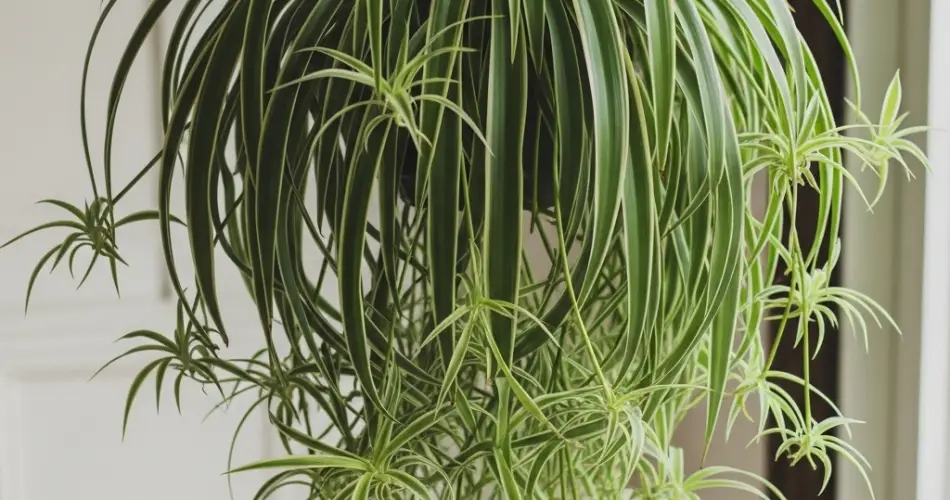
Spider plants (Chlorophytum comosum) are one of the most popular and beginner-friendly houseplants, loved for their arching green and white striped leaves and charming “baby” offshoots. Native to tropical and southern Africa, these hardy plants are incredibly adaptable and known for purifying indoor air. Whether you’re a seasoned plant enthusiast or just starting your indoor garden, spider plants are an excellent choice for adding greenery with minimal effort.
Here’s a comprehensive guide on how to grow and care for spider plants indoors so they thrive and produce plenty of pups.
Why Spider Plants Are Perfect for Indoor Growing
Spider plants are low-maintenance, tolerant of a range of conditions, and forgiving of the occasional care mistake. Their ability to grow in indirect light and bounce back from neglect makes them ideal for busy homes, offices, and beginner gardeners.
Some of the benefits include:
-
Air purification (removing pollutants like formaldehyde and carbon monoxide)
-
Pet-safe foliage (non-toxic to cats and dogs)
-
Rapid growth and easy propagation
-
Aesthetic appeal with cascading leaves and baby plantlets
Choosing the Right Pot and Soil
Start with a pot that has good drainage holes to prevent water from pooling at the bottom, which can lead to root rot. While spider plants don’t mind being a bit root-bound, repotting them every couple of years helps refresh their soil and boost growth.
For soil, choose a well-draining potting mix. A general-purpose indoor mix works well, or you can create your own blend using:
-
2 parts potting soil
-
1 part perlite or pumice
-
1 part coconut coir or peat moss
This ensures the soil retains some moisture without becoming soggy.
Light Requirements
Spider plants thrive in bright, indirect light but are incredibly adaptable. A spot near an east- or north-facing window is ideal. While they can tolerate lower light levels, their growth may slow down, and the leaves might lose their vibrant color.
Avoid placing them in harsh direct sunlight, especially in the afternoon, as this can scorch the leaves and cause brown tips.
Watering Your Spider Plant
Spider plants prefer evenly moist soil but don’t like to sit in water. Water thoroughly once the top inch of soil feels dry. During the growing season (spring and summer), you may need to water once a week. In cooler months, reduce watering frequency.
Use room temperature water and avoid overwatering, which is the most common issue with spider plant care. Browning leaf tips can also result from fluoride or chlorine in tap water—using filtered or rainwater can help prevent this.
Temperature and Humidity
Spider plants enjoy typical indoor temperatures between 60°F and 80°F (16°C–27°C). Avoid placing them near cold drafts, air conditioners, or heaters.
They also appreciate moderate humidity but will tolerate drier air. In particularly dry indoor environments (especially in winter), occasional misting or placing a humidifier nearby can help keep the plant looking lush.
Feeding and Fertilizing
Feed your spider plant every 4–6 weeks during the growing season using a balanced liquid houseplant fertilizer diluted to half strength. Avoid overfeeding, as this can cause salt buildup and damage the roots.
In fall and winter, reduce or stop fertilizing altogether, as the plant’s growth naturally slows down.
Pruning and Grooming
To keep your spider plant looking neat and healthy:
-
Trim off any brown or yellow leaves at the base using clean scissors.
-
Cut back long flower stems or baby plantlets if you don’t want the plant to become too large or leggy.
-
Remove dead or damaged leaves regularly to encourage fresh growth.
Propagating Spider Plants
One of the most enjoyable features of spider plants is their ability to produce baby plants, or “spiderettes.” These small offshoots dangle from long stems and can be used to grow new plants.
To propagate:
-
Wait until the baby has developed small roots.
-
Cut the spiderette from the mother plant.
-
Place it in water or directly into soil.
-
If rooting in water, transfer to soil once roots are 1–2 inches long.
Propagation is an easy way to expand your indoor garden or share plants with friends.
Common Problems and Solutions
-
Brown tips: Often caused by low humidity, over-fertilizing, or fluoride in water. Trim tips and adjust care.
-
Yellowing leaves: May indicate overwatering. Let the soil dry slightly before watering again.
-
No baby plants: The plant may need more light or time to mature before producing offshoots.
Final Thoughts
Spider plants are among the easiest and most rewarding houseplants you can grow. With minimal care, they flourish indoors, brighten up any room with their cascading foliage, and provide you with endless propagation opportunities. Whether placed on a shelf, in a hanging basket, or as part of a plant display, spider plants offer beauty, air-cleaning benefits, and year-round greenery with very little effort.


