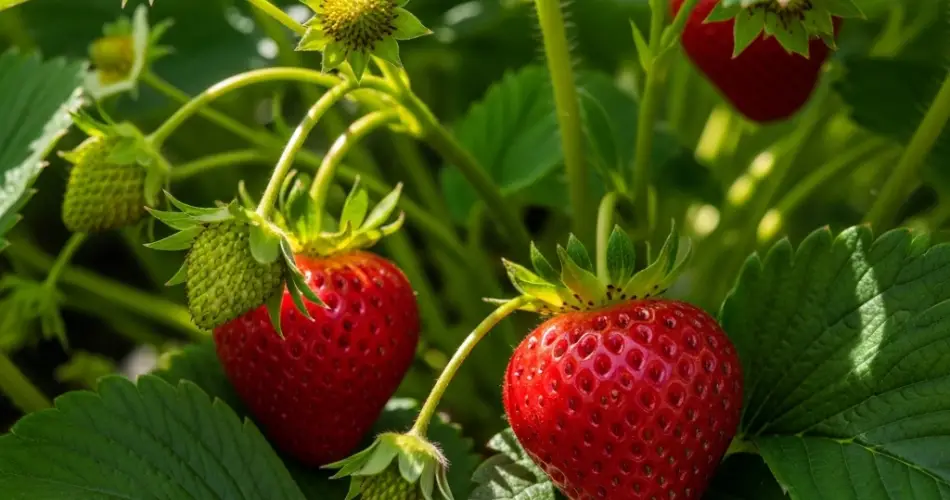
Few things are more frustrating for gardeners than discovering that slugs have helped themselves to your ripening strawberries. These slimy pests are especially drawn to the juicy, sweet fruit and can cause significant damage overnight. Fortunately, there are several effective and natural methods to deter slugs from your strawberry patch without resorting to harsh chemicals.
Here’s a complete guide with practical tips to protect your strawberries and keep slugs at bay.
1. Understand Why Slugs Love Strawberries
Strawberries are soft, low-growing, and juicy—making them the perfect target for slugs. Slugs are most active during the night or in damp, shady environments. They come out in the evening to feed and often leave behind telltale slime trails and ragged holes in leaves and fruit.
By understanding their behavior, you can outsmart them with preventative strategies that reduce moisture, improve airflow, and create uninviting conditions for these garden pests.
2. Raise Your Strawberries Off the Ground
One of the most effective ways to protect strawberries from slugs is to prevent the fruit from touching the soil, where slugs are most active.
Ways to do this:
-
Use straw mulch or pine needles beneath the plants to keep fruit elevated and dry.
-
Grow strawberries in hanging baskets, vertical planters, or containers to reduce ground access.
-
Use plastic mulch or landscape fabric to lift berries off moist soil.
Keeping strawberries dry and elevated reduces slug access and discourages them from lingering.
3. Water in the Morning, Not at Night
Slugs are attracted to moist conditions, and watering in the evening creates the perfect environment for them to thrive. Water your strawberry plants early in the morning instead.
-
This allows the soil surface to dry out by evening, making it less appealing to slugs.
-
Combine morning watering with good drainage to prevent soggy patches in the strawberry bed.
Drier soil conditions lead to less slug activity.
4. Use Natural Barriers Around Plants
Creating physical or chemical barriers around your strawberry patch can help prevent slugs from reaching your plants.
Effective barrier materials include:
-
Crushed eggshells: Sharp edges deter soft-bodied slugs.
-
Diatomaceous earth: A fine powder that damages slugs’ bodies as they crawl across it.
-
Copper tape or mesh: Slugs experience a mild electric shock when crossing copper, so placing it around raised beds or pots is highly effective.
-
Wood ash or sand: These dry, abrasive materials make it difficult for slugs to travel.
Reapply barriers after heavy rain, as water can wash away many materials.
5. Attract Natural Predators
Encouraging the presence of natural slug predators can help keep the population in check.
Helpful predators include:
-
Frogs and toads
-
Ground beetles
-
Birds
-
Ducks or chickens (in larger gardens or homesteads)
You can create a welcoming environment for these creatures by adding small water features, native plants, and shelters like stones or logs near your garden.
6. Use Slug Traps and Baits
Traps can effectively reduce the slug population in your strawberry patch.
Simple slug trap ideas:
-
Beer traps: Bury shallow containers filled with beer at soil level. Slugs are drawn to the scent, fall in, and drown.
-
Overturned citrus rinds or cabbage leaves: Place them near your plants in the evening. In the morning, collect the slugs hiding underneath and dispose of them.
Replace bait and traps regularly, especially after rain.
7. Clean Up Garden Debris
Slugs hide in cool, damp places during the day, such as under mulch, leaves, and garden clutter. Keeping the area around your strawberry patch clean removes their hiding spots.
-
Clear away fallen leaves, weeds, and rotting fruit.
-
Avoid heavy mulch if your slug problem is severe—use light mulch like straw instead.
-
Space plants well for good airflow and sun exposure.
A tidy, well-ventilated patch is less attractive to slugs.
8. Grow Strawberries in Containers
If slug problems persist in your garden beds, consider growing strawberries in containers or elevated planters.
-
Use hanging pots, window boxes, or raised troughs to limit ground contact.
-
Add copper tape around the rim for extra protection.
This method also makes it easier to monitor for pests and control watering.
9. Try Organic Slug Pellets (If Needed)
If other methods aren’t enough, organic slug pellets made with iron phosphate can offer targeted control without harming pets, wildlife, or beneficial insects.
-
Scatter pellets around the base of your strawberry plants according to package instructions.
-
Avoid pellets containing metaldehyde, which can be toxic to animals and the environment.
Use pellets as a last resort alongside natural deterrents.
Final Thoughts
Protecting your strawberry patch from slugs doesn’t have to involve harmful chemicals. By combining good garden hygiene, physical barriers, natural predators, and smart watering habits, you can successfully keep slugs under control and enjoy a bountiful harvest. With a little persistence and the right techniques, your strawberries can remain safe, sweet, and slug-free.


