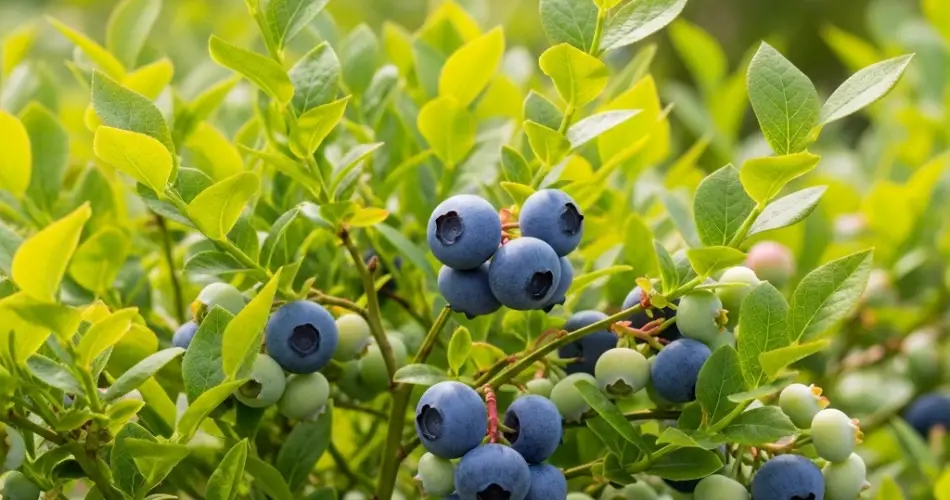
Blueberries are a delicious and nutritious fruit that many gardeners love to grow, but they’re also a favorite target for birds and bugs. If you’ve ever eagerly waited for your berries to ripen only to find them eaten or damaged, you’re not alone. Protecting your blueberry bushes from pests is essential for a successful harvest. With the right strategies, you can enjoy plump, juicy berries while keeping common threats at bay.
This guide will walk you through effective, natural, and safe methods for shielding your blueberry bushes from birds and insects throughout the growing season.
Why Protection is Necessary
Birds and insects are naturally attracted to blueberry plants for the same reason you are—sweet, ripe fruit and tender leaves. Unfortunately, they can reduce your harvest significantly or even damage your plants if left unchecked.
Common threats include:
-
Birds like robins, starlings, and mockingbirds that eat berries as soon as they ripen.
-
Insects such as aphids, Japanese beetles, fruitworms, and blueberry maggots that feed on leaves, stems, or fruit.
Taking preventive action early helps reduce damage and improves the chances of a healthy crop.
How to Keep Birds Away from Blueberries
Birds are among the biggest threats to a blueberry harvest, but there are several humane and effective deterrents.
1. Use Bird Netting
Bird netting is one of the most reliable methods for protecting your bushes.
-
Drape fine mesh netting over the plants once berries begin to turn blue.
-
Secure the netting tightly at the base to prevent birds from sneaking underneath.
-
Use poles or hoops to create a frame if you want to avoid netting directly touching the plants.
Choose netting with small openings (about ½ inch or less) to keep out even small birds.
2. Install Reflective Objects
Birds are startled by light and motion, so adding shiny objects near your plants can help.
-
Hang aluminum foil strips, old CDs, or reflective tape around the garden.
-
Pinwheels and spinning reflective stakes also work well.
-
Move the objects occasionally so birds don’t become accustomed to them.
3. Use Garden Scare Tactics
-
Set up fake predators like owls, snakes, or hawks around your bushes.
-
Choose decoys with motion sensors or reflective eyes for better effect.
-
Rotate their position every few days to maintain their effectiveness.
4. Grow Bird-Friendly Plants Nearby
Offer birds an alternative food source by planting other berry bushes, such as elderberry or serviceberry, at a distance from your blueberries. This can help reduce pressure on your main crop.
How to Protect Blueberries from Insect Pests
Insects may be small, but they can do big damage to your plants and fruit. The key is early identification and control.
1. Keep the Area Clean
-
Remove fallen leaves, weeds, and debris around the plants to eliminate insect hiding spots.
-
Mulch around the base of the plant to discourage certain pests and retain moisture.
2. Use Natural Insect Sprays
Homemade or commercial organic sprays can help deter bugs without harming beneficial insects.
DIY insect spray recipe:
-
Mix 1 tablespoon of mild dish soap with 1 liter of water.
-
Add a few drops of neem oil for added pest control.
-
Spray the solution on leaves (top and underside) every 7–10 days or after rain.
Neem oil is particularly effective against aphids, fruitworms, and mites.
3. Introduce Beneficial Insects
Encourage or introduce natural predators that feed on harmful bugs.
-
Ladybugs eat aphids and scale insects.
-
Lacewings prey on caterpillars and beetle larvae.
-
Plant flowers like dill, fennel, or yarrow nearby to attract beneficial insects.
4. Use Sticky Traps and Row Covers
-
Yellow sticky traps can help monitor and control flying pests like whiteflies and aphids.
-
Lightweight row covers can protect young bushes from insect damage early in the season, especially in the spring.
General Tips for Healthy Blueberry Bushes
Healthy plants are more resistant to pests. Here’s how to support your blueberry bushes:
-
Water consistently, especially during dry spells.
-
Use acidic mulch such as pine needles or bark to maintain proper soil pH.
-
Fertilize appropriately with products designed for acid-loving plants.
-
Prune annually to improve air circulation and remove damaged branches.
Regular monitoring is also essential. Check your plants at least twice a week during peak growing season to catch any issues early.
Final Thoughts
Protecting your blueberry bushes from birds and bugs doesn’t require harmful chemicals or complex systems. With a combination of physical barriers, natural deterrents, and good garden practices, you can significantly reduce pest damage and enjoy a bountiful harvest. By staying proactive and using a mix of methods, you’ll ensure your blueberry plants stay healthy, productive, and ready to deliver delicious fruit all season long.


