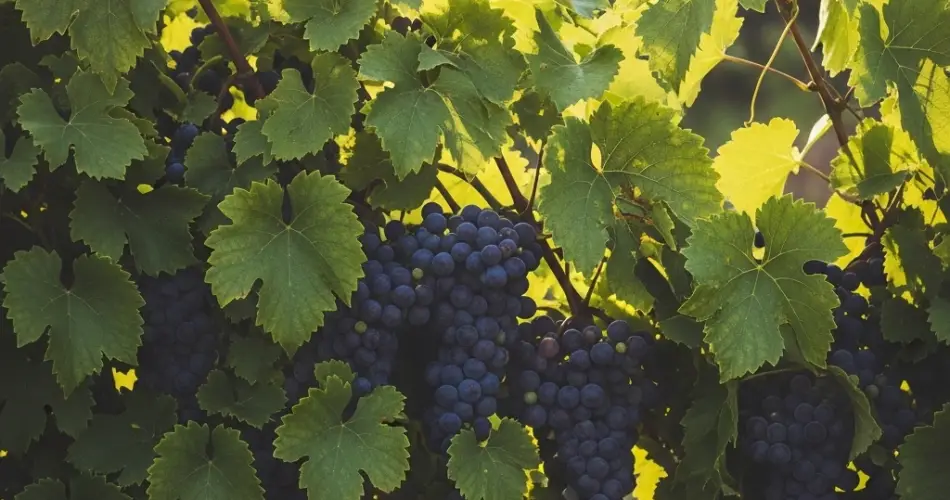
Growing grapes at home may seem like a challenge, but with the right techniques, even novice gardeners can enjoy a successful harvest. Whether you’re planting grapes for fresh eating, juicing, or making preserves, these climbing vines are a rewarding addition to any home garden. Grapevines are not only productive but also attractive, with their lush foliage and potential to create natural shade and privacy.
If you’re dreaming of bunches of sweet, juicy grapes growing in your backyard, here are the top secrets to help you grow healthy vines and enjoy a fruitful harvest.
1. Choose the Right Grape Variety
Your first step is selecting a grape variety that suits your climate and intended use. Grapes are broadly divided into two types: table grapes (for fresh eating) and wine grapes.
-
Table grapes like ‘Thompson Seedless,’ ‘Concord,’ or ‘Red Globe’ are great for snacking and juicing.
-
Wine grapes such as ‘Cabernet Sauvignon’ or ‘Chardonnay’ are more specialized and may need specific conditions.
Consider disease-resistant varieties if you’re in a humid or rainy area. Check with local nurseries or extension offices for cultivars well-suited to your region.
2. Plant in the Right Spot
Grapevines thrive in full sun and well-draining soil. Choose a location that receives at least 6–8 hours of direct sunlight daily.
-
Avoid low-lying areas where water may collect.
-
A south-facing wall or fence can provide warmth and support.
-
Good air circulation helps prevent fungal diseases, so don’t plant vines too close together.
Proper site selection gives your grapevines a strong start and helps reduce disease pressure.
3. Support Is Essential: Use a Trellis or Arbor
Grapes are vigorous climbers and need strong support. Install a trellis, arbor, fence, or wire system before planting.
-
A two-wire trellis with one wire at 3 feet and another at 6 feet works well for most home gardens.
-
Grapes trained on a pergola or arbor not only produce fruit but also provide decorative green cover and summer shade.
Training your vines early encourages good form and better fruit production.
4. Start with Healthy Cuttings or Bare-Root Vines
Plant grapevines during the dormant season—late winter or early spring.
-
Soak bare-root vines in water for a few hours before planting.
-
Dig a hole deep and wide enough to spread the roots out.
-
Plant so the graft union or crown is just above soil level, and backfill with well-amended soil.
Water thoroughly after planting, and mulch lightly to retain moisture and suppress weeds.
5. Prune for Productivity
Proper pruning is the key to grape production. Without regular pruning, vines become tangled and produce less fruit.
-
First year: Focus on root and shoot development. Train one strong cane upward.
-
Second year: Prune back to a few main canes and begin forming the vine’s structure.
-
Every year thereafter: Remove 70–90% of the previous year’s growth during winter dormancy. Grapes fruit on one-year-old wood, so pruning encourages new fruitful canes.
Don’t be afraid to prune heavily—grapevines respond well to it and will reward you with better quality fruit.
6. Water Deeply but Infrequently
Grapevines are relatively drought-tolerant once established, but consistent watering during the growing season is important for good fruit development.
-
Water deeply once or twice a week, depending on rainfall and soil type.
-
Reduce watering as harvest approaches to enhance fruit flavor and sugar concentration.
Avoid overhead watering, which can promote disease. Drip irrigation is ideal for grapevines.
7. Feed Grapevines Appropriately
Grapes don’t need heavy fertilization, but balanced nutrition supports vine health and fruit quality.
-
Apply compost or well-rotted manure in early spring.
-
Use a balanced organic fertilizer (such as 10-10-10) sparingly.
-
Avoid excess nitrogen—it can encourage excessive leafy growth at the expense of fruit.
A soil test can help determine any specific deficiencies your soil may have.
8. Mulch and Weed Carefully
Mulching helps retain moisture, suppress weeds, and regulate soil temperature.
-
Apply a 2–3 inch layer of organic mulch like straw, bark, or leaves around the base of the plant, but keep it a few inches away from the trunk.
-
Hand-pull weeds to avoid disturbing shallow grapevine roots.
Maintaining a clean, weed-free zone around your vines reduces competition and minimizes disease risk.
9. Protect Against Pests and Diseases
Grapes are vulnerable to various pests and fungal problems like powdery mildew, black rot, and aphids.
-
Promote air circulation by spacing vines properly and pruning regularly.
-
Spray organic fungicides (like neem oil or sulfur-based products) as a preventive measure.
-
Monitor for pests like Japanese beetles, grapevine moths, and birds.
Bird netting may be necessary as fruit begins to ripen to protect your harvest.
10. Harvest at the Right Time
Grapes don’t ripen after being picked, so timing is everything.
-
Taste-test grapes for sweetness and flavor.
-
Look for deep, uniform color and full, plump berries.
-
Use scissors or pruners to cut whole clusters without damaging the vine.
Harvest gradually over several weeks as different clusters ripen at different rates.
Final Thoughts
With the right variety, care, and setup, growing grapes at home is a fun and fruitful endeavor. By following these grape-growing secrets—selecting a sunny location, providing strong support, pruning wisely, and monitoring plant health—you’ll be well on your way to enjoying delicious, homegrown grapes right from your backyard or patio. Whether for eating fresh or preserving, your grape harvest will be a sweet reward for your gardening efforts.


