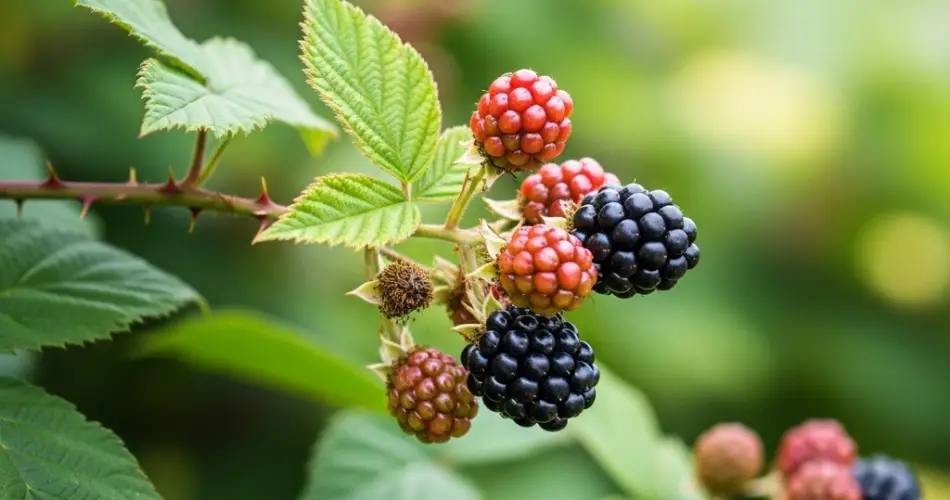
Blackberries are a rewarding addition to any home garden, offering sweet, juicy berries and fast-growing canes. If you already have a healthy plant or know someone who does, starting new blackberry bushes from cuttings is an efficient, cost-effective way to expand your patch. Propagating blackberries is simple when done correctly, and it allows you to replicate the qualities of the parent plant.
There are several methods for propagating blackberries, including root cuttings, stem cuttings, and tip layering. This guide will focus on starting blackberry plants from cuttings—covering everything from timing to planting for the best results.
Benefits of Propagating Blackberries from Cuttings
-
Cost-effective: No need to buy new plants from a nursery.
-
Fast results: Cuttings can establish quickly and grow vigorously.
-
Genetic consistency: You’ll get the same fruit quality and growth habit as the parent plant.
-
Simple process: With basic tools and care, even beginner gardeners can succeed.
Best Time to Take Blackberry Cuttings
The ideal time to take cuttings depends on the type of cutting:
-
Root cuttings: Best taken during winter dormancy, typically late fall to early spring.
-
Stem cuttings: Take in late spring to early summer when the canes are actively growing.
-
Tip cuttings or layering: Done in late summer or early fall.
Each method has its advantages, but for quick propagation and ease of care, stem cuttings and tip layering are highly effective.
Materials You’ll Need
-
Healthy parent blackberry plant
-
Sharp, sterilized pruners or garden scissors
-
Small pots or containers
-
Potting mix or a well-draining soil blend
-
Rooting hormone (optional but helpful)
-
Clear plastic bags or humidity dome
-
Watering can or spray bottle
Method 1: Propagating Blackberries with Stem Cuttings
Stem cuttings are taken from the current season’s growth. Choose strong, healthy canes that are free of pests and diseases.
Steps:
-
Select a Cane: Choose a non-flowering cane that’s about the thickness of a pencil and at least 6 inches long.
-
Make the Cut: Use clean pruners to cut a 6–8 inch section from the tip of a healthy cane. Remove any flower buds or fruit.
-
Prepare the Cutting: Strip the lower leaves from the bottom half of the cutting, leaving 2–3 leaves at the top.
-
Apply Rooting Hormone: Dip the cut end into rooting hormone powder or gel to encourage root development.
-
Plant the Cutting: Insert the lower end of the cutting into a pot filled with moist, well-draining potting mix. Firm the soil around the cutting to hold it upright.
-
Create Humidity: Cover the pot with a clear plastic bag or place it under a humidity dome to retain moisture.
-
Provide Proper Care: Place the pot in a warm, bright location but out of direct sunlight. Keep the soil consistently moist but not soggy.
-
Check for Roots: After 3–4 weeks, gently tug the cutting. If you feel resistance, roots have started to form.
Once the cutting has a strong root system, it can be transplanted to a larger pot or directly into the garden.
Method 2: Tip Layering
Tip layering is one of the easiest and most successful methods of propagating blackberries, especially for trailing varieties.
Steps:
-
Choose a Healthy Cane: Select a long, flexible cane near the edge of the plant.
-
Bend the Tip: Gently bend the tip of the cane down to the soil. Bury the last 2–3 inches of the cane into the ground or into a pot of soil.
-
Secure the Tip: Use a small rock or garden pin to hold the buried tip in place.
-
Wait for Roots: In a few weeks, roots will begin to grow from the buried section. You may also see new shoots forming.
-
Separate the New Plant: Once rooted (after 6–8 weeks), cut the new plant from the parent cane and transplant it to a new location.
This method allows the new plant to establish while still attached to the mother plant, increasing the chance of success.
Aftercare and Transplanting
After rooting, transplant your new blackberry plants to a sunny location with well-draining soil. Blackberries thrive in slightly acidic to neutral soil (pH 5.5–7.0). Provide support for erect or semi-erect varieties, and keep the area weed-free.
Water regularly, especially in the first few weeks after transplanting. Apply mulch to retain moisture and suppress weeds. Your new plants may take a season to establish, but they should begin producing fruit the following year.
Final Thoughts
Propagating blackberries from cuttings is a practical and satisfying way to grow more berry-producing plants in your garden. Whether you choose stem cuttings or tip layering, the process is simple and doesn’t require special equipment. With patience and proper care, you can enjoy a thriving blackberry patch filled with sweet, homegrown fruit for years to come.


