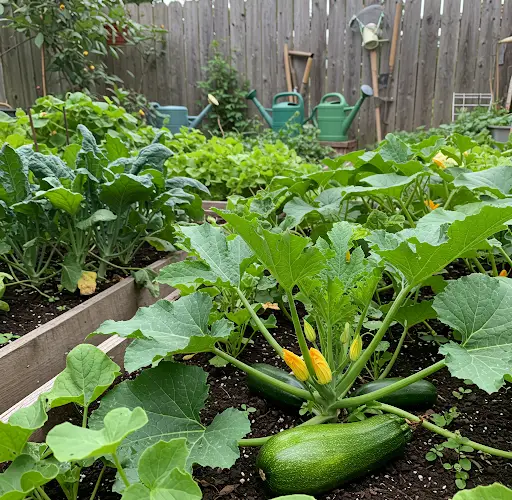
Beginner’s Guide: Grow Vegetables Quickly for Harvest and Never Buy Store-Bought Again
Growing your own vegetables is one of the best ways to ensure a fresh, healthy, and sustainable food supply. For beginners, the key is to choose fast-growing crops, use efficient gardening techniques, and provide optimal growing conditions. With the right approach, you can enjoy homegrown vegetables in a matter of weeks—saving money and avoiding store-bought produce.
Why Grow Your Own Vegetables?
- Cost Savings – Reduce grocery expenses by harvesting your own fresh vegetables.
- Better Nutrition – Homegrown vegetables retain more nutrients since they are harvested fresh.
- Pesticide-Free – Control what goes into your food by avoiding harmful chemicals.
- Sustainability – Reduce plastic waste and carbon footprint from store-bought produce.
- Satisfaction – Experience the joy of eating vegetables grown by your own hands.
Top Fast-Growing Vegetables for Quick Harvest
For beginners, it’s best to start with vegetables that grow quickly and require minimal maintenance. Here are some of the fastest-growing options:
- Lettuce & Leafy Greens (20-30 days) – Varieties like romaine, butterhead, and arugula grow rapidly and can be harvested leaf by leaf.
- Radishes (20-25 days) – One of the fastest-growing vegetables, ideal for small spaces.
- Green Onions (14-21 days for greens, 6 weeks for bulbs) – Easily regrown from kitchen scraps.
- Spinach (30-40 days) – Thrives in cooler temperatures and can be harvested continuously.
- Baby Carrots (30-40 days) – Smaller varieties mature faster than full-sized carrots.
- Cucumbers (50 days) – With proper support, cucumbers grow rapidly and produce a continuous yield.
- Zucchini (40-50 days) – A prolific producer that can provide an abundant harvest quickly.
- Beans (50-60 days) – Bush beans mature faster than pole beans and require minimal care.
- Microgreens (7-14 days) – Sprouts like alfalfa, mustard greens, and sunflower greens can be harvested in just a week.
Essential Tips for Fast Vegetable Growth
1. Choose the Right Location
- Ensure vegetables receive 6-8 hours of direct sunlight per day.
- Use raised beds or containers for better soil drainage.
- Protect plants from strong winds and extreme weather with garden netting or shade covers.
2. Use High-Quality Soil
- Rich, well-draining soil is essential for fast vegetable growth.
- Add compost or organic matter to improve fertility.
- Use a balanced organic fertilizer for essential nutrients.
3. Plant in Succession for Continuous Harvest
- Instead of planting everything at once, sow seeds every 2-3 weeks for a steady supply.
- Harvest leaves, fruits, or roots selectively to allow for regrowth and extended production.
4. Water Efficiently
- Keep soil consistently moist but avoid overwatering, which can lead to root rot.
- Use a drip irrigation system or water deeply every morning to encourage strong root development.
- Mulch around plants to retain moisture and suppress weeds.
5. Maximize Space with Vertical Gardening
- Use trellises, hanging baskets, and vertical planters to grow more in a small area.
- Ideal for climbing plants like cucumbers, beans, and tomatoes.
- Saves space and improves airflow, reducing disease risk.
6. Grow Indoors for Year-Round Harvest
- Start with herbs, lettuce, and microgreens in containers near a sunny window.
- Use grow lights if natural sunlight is limited.
- Hydroponic or aquaponic systems are great options for small spaces.
7. Companion Planting for Faster Growth
- Pair compatible vegetables to enhance growth and repel pests.
- Examples:
- Tomatoes + Basil (Improves tomato flavor and repels insects)
- Carrots + Radishes (Radishes loosen soil for carrots to grow better)
- Lettuce + Chives (Chives deter aphids and improve lettuce growth)
8. Protect Your Plants from Pests and Diseases
- Use natural deterrents like neem oil, garlic spray, or marigold plants.
- Check leaves regularly for pests or fungal infections.
- Avoid overcrowding plants to improve airflow and reduce disease risks.
Harvesting & Storing Your Vegetables
- Harvest vegetables at their peak ripeness to ensure the best flavor and nutrition.
- Store leafy greens in a moist paper towel inside the fridge for longer freshness.
- Root crops like carrots and radishes can be stored in sand or a cool, dry place.
- Freeze or dehydrate surplus vegetables to enjoy them year-round.
Final Thoughts
Growing vegetables at home doesn’t have to be complicated. By choosing the right crops, optimizing soil conditions, and using smart gardening techniques, you can enjoy fresh produce without ever needing to buy vegetables again. Even with limited space, you can grow an abundant supply using containers, vertical gardening, and indoor setups. Start today and experience the satisfaction of harvesting your own food!


