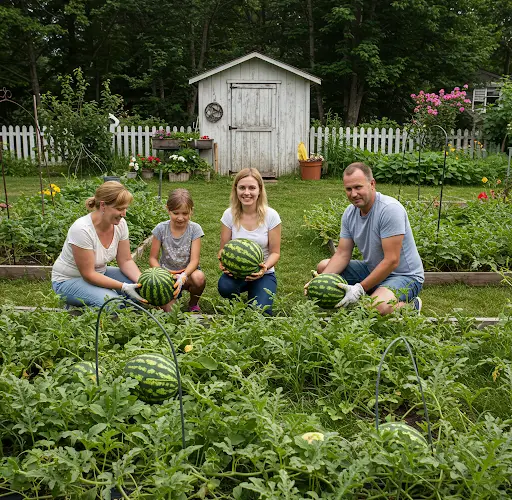
Growing watermelons at home can be a highly rewarding experience, especially when you achieve large, sweet, and juicy fruits. Many gardeners struggle with getting their watermelons to develop the perfect sweetness and size, but with the right techniques, you can maximize their flavor and yield. If you want to grow delicious watermelons in your own backyard, follow this comprehensive guide to ensure a successful harvest.
Why Some Watermelons Aren’t Sweet Enough?
Several factors influence the taste, texture, and size of watermelons. Understanding these key elements will help you grow the best possible fruits:
- Choosing the Right Variety – Some watermelons naturally have higher sugar content.
- Sunlight Exposure – Watermelons need full sun for proper sugar development.
- Soil Quality – Nutrient-rich, well-draining soil enhances growth.
- Watering Practices – Overwatering near harvest time can dilute sweetness.
- Pollination – Proper pollination ensures healthy fruit development.
- Ripening Time – Harvesting too early results in bland melons.
With the right growing techniques, you can overcome these challenges and cultivate the sweetest watermelons at home.
The Secret to Growing Large, Sweet Watermelons
Through years of gardening experience, I’ve discovered a highly effective method that guarantees big, sweet, and juicy watermelons. The key lies in selecting the best variety, optimizing soil conditions, managing watering, and controlling fertilization.
Step 1: Choosing the Right Watermelon Variety
Not all watermelons are the same. Some varieties are naturally sweeter and grow larger than others. Consider planting:
- Crimson Sweet – Known for its high sugar content and deep red flesh.
- Sugar Baby – A small, super-sweet watermelon perfect for small gardens.
- Charleston Gray – Large and juicy with excellent disease resistance.
- Black Diamond – A traditional variety with a bold, sweet flavor.
- Jubilee – One of the best watermelons for home gardens with large, sweet fruits.
Choosing the right variety is the first step toward growing sweet and juicy watermelons.
Step 2: Preparing Nutrient-Rich Soil
Watermelons thrive in well-drained, fertile soil. To create the best growing environment:
- Add compost or well-rotted manure to enrich the soil with nutrients.
- Use sandy loam soil for optimal drainage and aeration.
- Maintain a pH level between 6.0 and 6.8 for best nutrient absorption.
- Incorporate wood ash or potassium-rich fertilizers to enhance fruit sweetness.
Proper soil preparation ensures that watermelon plants receive the essential nutrients needed for large, flavorful fruit.
Step 3: Watering the Right Way
Watering plays a crucial role in watermelon growth, but excess water at the wrong time can reduce sweetness. Follow these watering tips:
- Water deeply and infrequently to encourage deep root growth.
- Reduce watering once the fruits start forming to concentrate sugars.
- Avoid watering leaves to prevent fungal diseases.
- Use drip irrigation or a soaker hose to keep the soil moist without overwatering.
Cutting back on watering during the final stages of ripening helps watermelons develop a higher sugar concentration.
Step 4: Sunlight and Temperature Requirements
Watermelons require 8-10 hours of direct sunlight daily to grow to their full potential. To ensure they receive adequate warmth:
- Plant in a sunny location with minimal shade.
- Use black plastic mulch to retain soil heat and suppress weeds.
- If growing in cooler climates, use row covers to keep temperatures stable.
Warm temperatures above 75°F (24°C) are ideal for growing sweet, juicy watermelons.
Step 5: Organic Fertilization for Bigger, Sweeter Fruits
The right fertilization schedule can significantly improve the size and sweetness of watermelons. The best organic fertilizers include:
- Banana Peel Tea – Rich in potassium to enhance fruit sugar levels.
- Epsom Salt Solution – Provides magnesium for healthy plant growth.
- Fish Emulsion – A natural nitrogen source for strong vines and leaves.
- Compost Tea – Supplies essential micronutrients for better fruit development.
Apply a balanced fertilizer with low nitrogen and high potassium as the fruits start forming to promote sweetness rather than excessive vine growth.
Step 6: Encouraging Proper Pollination
Pollination is essential for developing fully-formed watermelons. Poor pollination results in small, misshapen fruits. To improve pollination:
- Attract bees by planting flowers nearby.
- Hand-pollinate using a small brush to transfer pollen between flowers.
- Avoid using chemical pesticides that may harm pollinators.
Ensuring strong pollination leads to larger, healthier fruits.
Step 7: Knowing When to Harvest for Peak Sweetness
Harvesting watermelons at the right time is crucial for maximum sweetness. Look for these signs of ripeness:
- A hollow sound when tapped.
- A dried, brown tendril near the fruit stem.
- A creamy yellow underside where the melon rests on the ground.
- A rough, dull skin texture rather than a shiny surface.
Watermelons stop ripening once picked, so always harvest them when they are fully mature.
Final Thoughts
By following these essential steps, you can successfully grow large, sweet, and juicy watermelons at home. With proper variety selection, soil preparation, watering control, fertilization, and harvesting techniques, you’ll enjoy some of the best homegrown watermelons you’ve ever tasted.
Once I applied these methods, I noticed a significant improvement in both the size and sweetness of my watermelons. The difference was undeniable, and I only wished I had discovered these techniques sooner! If you’re looking for a way to elevate your home gardening skills and produce the most delicious watermelons, give this method a try—you won’t be disappointed!


