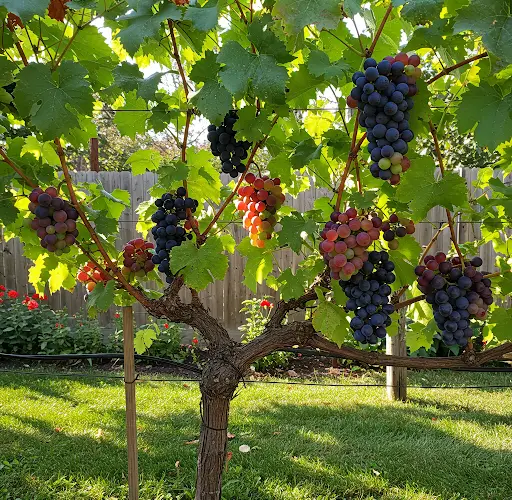
Tips for Growing Grapes at Home – Fruitful, Easy, and Perfect for Beginners
Grapes are not only a delicious fruit but also a beautiful plant to grow at home. Whether you have a backyard, a rooftop garden, or even just a sunny balcony, cultivating grapes at home is both achievable and incredibly rewarding. With just a little care and attention, grapevines can flourish and provide bunches of sweet fruit while adding a charming, vineyard-like ambiance to your space.
This guide offers simple, effective tips for anyone who wants to try their hand at growing grapes—no matter your level of gardening experience.
Why Grow Grapes at Home?
Growing grapes at home comes with several benefits:
-
Fresh, organic fruit free from chemicals
-
Aesthetic value, as grapevines can beautify walls, fences, and trellises
-
Shade from climbing vines, which is especially nice in warm climates
-
Long-lasting plants – grapevines can produce fruit for decades
-
Health benefits – grapes are rich in antioxidants and vitamins
Best of all, once established, grapevines are low-maintenance and resilient.
Choosing the Right Grape Variety
The first step to growing grapes successfully is selecting the right variety. There are two main types:
-
Table grapes – sweeter and softer, great for fresh eating (e.g., Thompson Seedless, Flame)
-
Wine grapes – smaller and more tart, used for juicing or wine-making (e.g., Concord, Cabernet Sauvignon)
Choose a variety suited to your local climate. If you live in a cooler area, cold-hardy grapes like Concord or Niagara do well. In warmer climates, European varieties such as Muscat or Black Corinth are excellent.
The Best Time to Plant Grapes
Grapes are typically planted in early spring, after the last frost. If you’re starting from a nursery vine, plant it when the soil has warmed and is easy to work. Avoid planting in soggy or waterlogged areas—grapes prefer well-draining soil.
Preparing the Soil
Grapevines thrive in slightly sandy, loamy soil with good drainage. Before planting, mix compost or organic matter into the soil to boost nutrients. A pH level between 5.5 and 6.5 is ideal.
If planting in containers, choose a large pot (at least 18 inches deep) with drainage holes. Use a high-quality potting mix blended with compost.
Providing Proper Support
Grapevines are climbers and need strong support to grow upward. Popular structures include:
-
Trellises
-
Arches or pergolas
-
Fences or walls with wire or netting
Install the support system early so the vines can be trained from the beginning. This will also make harvesting easier and reduce the risk of pests and disease.
Planting the Grapevine
-
Dig a hole large enough to accommodate the root ball.
-
Place the vine in the hole, spreading out the roots.
-
Cover with soil and press down gently.
-
Water thoroughly after planting.
Space multiple vines 6 to 10 feet apart to give each one enough room to grow.
Watering and Feeding
Grapes require consistent moisture, especially in the first two years as they establish. Water deeply once or twice a week, depending on weather and soil conditions. Avoid overwatering, which can lead to root rot.
During the growing season, feed the vines with a balanced organic fertilizer once a month. In early spring, you can also apply a compost mulch around the base to retain moisture and improve soil health.
Pruning for Healthy Growth
Pruning is essential for grape production. In the first year, focus on training the main stem and encouraging strong root development. From the second year onward, prune in late winter or early spring to remove dead or overcrowded vines.
Proper pruning ensures:
-
Better air circulation
-
Higher fruit yields
-
Stronger vines
-
Easier maintenance
Don’t be afraid to cut back aggressively—grapes thrive with annual pruning.
Pest and Disease Management
Grapevines are generally hardy, but you should watch out for:
-
Powdery mildew
-
Aphids
-
Birds (who love ripe grapes!)
Use neem oil or insecticidal soap for small insect infestations. To deter birds, consider netting over the vines during fruiting season.
Keep the area around your plants clean and well-ventilated to reduce the risk of fungal diseases.
When and How to Harvest
Grapes usually ripen in late summer or early fall, depending on the variety and climate. They should be fully colored and taste sweet before harvesting.
Pick grapes using scissors or pruners to avoid damaging the vine. Enjoy them fresh, or try making juice, jelly, raisins, or even small-batch wine.
Final Thoughts
Growing grapes at home is a delightful and fruitful experience. With the right variety, a bit of patience, and a simple care routine, even beginners can produce lush vines and bountiful grape clusters. It’s a fantastic way to bring nature closer to home while enjoying delicious, healthy fruit grown by your own hands.
Whether you’re aiming for shade, beauty, or a harvest to share with family and friends, grapevines are a rewarding addition to any home garden or balcony setup.


