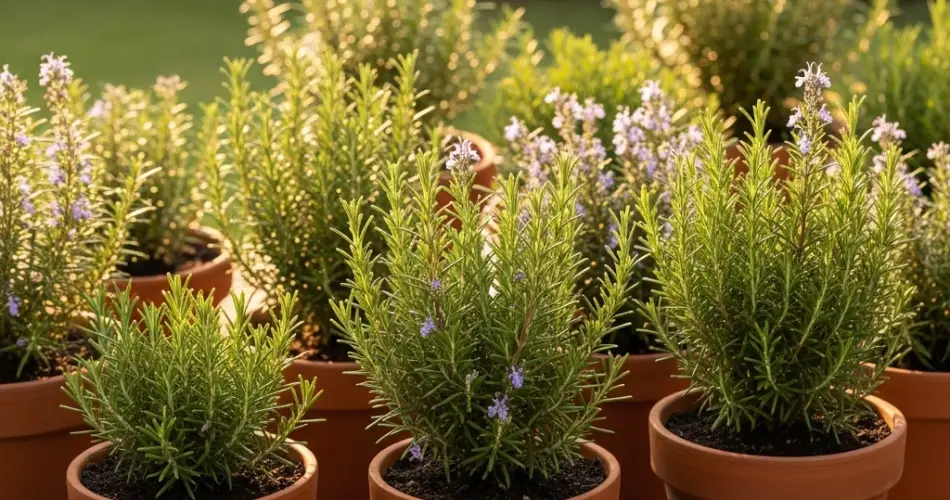
Rosemary is one of the most fragrant and flavorful herbs you can grow at home. With its needle-like leaves and woody stems, rosemary adds an earthy, pine-like aroma to dishes like roasted meats, potatoes, stews, and breads. While commonly grown outdoors, rosemary adapts well to container gardening and thrives in pots both indoors and out—making it a perfect choice for small-space gardeners or those wanting fresh herbs year-round.
In this guide, you’ll learn how to grow and care for potted rosemary, ensuring a healthy plant that keeps giving flavor and fragrance with every snip.
Why Grow Rosemary in a Pot?
Rosemary is a Mediterranean herb that prefers warm, sunny, and dry conditions. Growing it in a pot allows you to control its environment more easily, move it indoors when the temperature drops, and avoid overly wet or clay-heavy garden soil that can harm the roots.
Container-growing also makes rosemary more accessible. You can place a pot right outside your kitchen door or even keep a smaller variety on a sunny windowsill, making it easy to harvest whenever you need it for cooking.
Choosing the Right Variety
There are several rosemary varieties available, but some are better suited to container gardening. Here are two main types:
-
Upright Rosemary: These varieties grow tall and bushy, ideal for culinary use.
-
‘Tuscan Blue’ – Strong flavor and attractive dark green leaves.
-
‘Arp’ – Cold-hardy and great for zones with mild winters.
-
-
Creeping Rosemary: Also known as trailing rosemary, this variety is better for ornamental use, hanging baskets, or edging containers.
For cooking and compact pot growing, upright types like ‘Tuscan Blue’ or ‘Blue Spires’ are your best bet.
Selecting the Right Pot
Rosemary has a large root system and prefers a deep container that allows room for growth and proper air circulation. Select a pot that is:
-
12 to 16 inches wide
-
12 inches deep or more
-
Equipped with drainage holes
Clay or terra cotta pots are ideal because they help wick away excess moisture and keep the soil from becoming too damp, which is especially important since rosemary hates wet feet.
Best Soil for Potted Rosemary
Rosemary thrives in well-draining, sandy soil. Use a high-quality potting mix designed for herbs or mix your own using:
-
2 parts all-purpose potting soil
-
1 part coarse sand or perlite
The soil should be light and airy. Avoid moisture-retaining mixes or those with too much compost, as rosemary prefers lean soil with minimal organic matter. The ideal soil pH is between 6.0 and 7.5.
Light and Temperature Requirements
Rosemary is a sun-loving herb and needs at least 6 to 8 hours of direct sunlight each day. Outdoors, place your pot in a sunny location, such as a south- or west-facing patio. Indoors, a south-facing window is best. If your space doesn’t get enough light, consider using a grow light for 12 to 14 hours a day.
The ideal temperature for rosemary is between 65°F and 80°F (18°C to 27°C). If the temperature drops below 30°F (-1°C), bring the pot indoors. Avoid placing rosemary near heaters or vents, which can dry out the plant too quickly.
Watering and Feeding
One of the most common mistakes with potted rosemary is overwatering. The plant is drought-tolerant and prefers its soil on the dry side. Water thoroughly, but allow the top 1–2 inches of soil to dry out between waterings. Always empty the drainage tray to prevent soggy roots.
Fertilize sparingly. Rosemary doesn’t require rich soil. Feed with a diluted liquid fertilizer or a slow-release granular feed once every 4–6 weeks during the growing season. Too much fertilizer can reduce the herb’s aroma and flavor.
Pruning and Harvesting
Pruning rosemary regularly encourages fuller growth and prevents the plant from becoming woody and sparse. Start trimming when the plant is about 6 inches tall:
-
Snip off the top 2–3 inches of the stems, cutting just above a leaf node.
-
Avoid cutting into the woody base—only trim the green, leafy part.
You can harvest rosemary year-round, but the best flavor comes from new growth. To store rosemary, hang cut stems to dry or freeze the leaves in airtight containers for long-term use.
Repotting and Long-Term Care
As rosemary grows, it may become root-bound. Check the roots once a year, especially in spring. If they’re circling the inside of the pot, it’s time to move to a slightly larger container with fresh soil.
Repotting not only gives your rosemary more space, but also helps refresh nutrients and improve drainage. If your plant becomes too woody or sparse, consider propagating new plants from healthy cuttings.
Common Problems and How to Solve Them
-
Yellowing leaves: Often caused by overwatering or poor drainage.
-
Powdery mildew: Can occur in humid conditions—improve airflow and avoid watering the foliage.
-
Lack of aroma or poor growth: Usually due to low light or excessive fertilizer.
Rosemary is relatively pest-resistant, but keep an eye out for aphids or spider mites if the plant is stressed or weakened.
Final Thoughts
Growing rosemary in a pot is a practical and rewarding way to keep this flavorful herb close at hand. With minimal maintenance, a sunny spot, and the right soil, rosemary will thrive and provide year-round harvests. Whether you keep it on your kitchen windowsill or your patio table, a potted rosemary plant not only enhances your meals, but also brings beauty, aroma, and a Mediterranean feel to your home.


