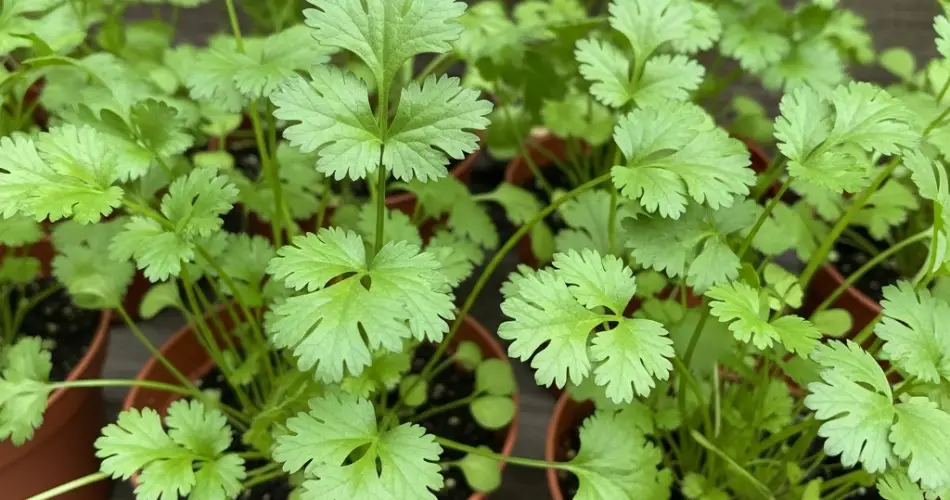
Cilantro (Coriandrum sativum), also known as coriander, is a fast-growing, leafy herb loved for its bright, citrusy flavor. It’s a staple in many cuisines—Mexican, Indian, Thai, and Middle Eastern to name a few—and is often added fresh to salsas, curries, soups, and salads. If you’re short on garden space, don’t worry—cilantro grows beautifully in containers and even on a sunny windowsill.
Whether you live in an apartment or just want convenient access to fresh herbs, growing cilantro in pots is easy and rewarding. With proper care, you can enjoy a steady supply of flavorful leaves without needing a full garden.
Why Grow Cilantro in Pots?
Growing cilantro in pots gives you more control over the growing conditions and helps you avoid common garden issues like pests, poor soil, and excessive heat. Some of the main benefits include:
-
Space efficiency: Perfect for balconies, patios, or windowsills.
-
Mobility: Easily move the pot to catch sun or escape the heat.
-
Convenience: Snip fresh leaves as you cook, right from your kitchen.
-
Clean growing environment: Avoid soil-borne diseases or contamination.
Cilantro grows quickly, so you’ll be harvesting within a few weeks of planting.
Choosing the Right Variety
When selecting cilantro seeds for containers, choose varieties known for slower bolting (flowering), especially in warm climates. Once cilantro bolts, the leaves become bitter and the plant shifts its energy to seed production.
Recommended container varieties include:
-
‘Santo’ Cilantro: A slow-bolting type ideal for container gardening.
-
‘Calypso’: Compact and bolt-resistant.
-
‘Leisure’: Produces lush foliage before flowering.
If you’re growing primarily for seeds (coriander), bolting isn’t a concern—but for fresh leaves, slow-bolting varieties are best.
Best Pot and Soil Setup
Cilantro has a taproot system, so it prefers deep pots—at least 8 to 10 inches in depth. Choose a container that’s wide enough to space several plants a few inches apart.
Ensure your pot has:
-
Drainage holes to prevent waterlogging.
-
A saucer if used indoors, to protect surfaces from runoff.
Use a well-draining potting mix, ideally one formulated for herbs or vegetables. You can enhance the mix by adding:
-
2 parts potting soil
-
1 part compost
-
1 part perlite or coarse sand for improved drainage
Avoid compacted or heavy soils that retain too much water.
Sowing and Spacing
Cilantro grows best when direct-seeded into its final container, as it doesn’t transplant well. Here’s how to plant:
-
Fill the container with moistened soil.
-
Sow seeds 1/4 inch deep and 1–2 inches apart.
-
Lightly cover with soil and gently water.
-
Keep the soil consistently moist until germination.
Seeds usually sprout in 7 to 10 days. Once seedlings are a few inches tall, thin them to about 4 inches apart for optimal airflow and leaf growth.
Light and Temperature Requirements
Cilantro prefers cooler temperatures and partial to full sun. In hot climates, provide some afternoon shade to delay bolting.
Ideal conditions:
-
4–6 hours of direct sunlight daily
-
Daytime temperatures between 60–75°F (15–24°C)
If you’re growing indoors, place the pot in a south- or east-facing window, or supplement with a grow light during low-light months.
Watering and Feeding
Cilantro grows best in consistently moist (but not soggy) soil. Check daily, especially in warm weather, and water when the top inch feels dry.
Tips for watering:
-
Water at the base to avoid wetting the foliage.
-
Avoid waterlogged soil, which can cause root rot.
-
Use a watering can with a fine spout for better control.
Feed every 3–4 weeks with a diluted balanced liquid fertilizer or compost tea to promote leafy growth.
Pruning and Harvesting
Start harvesting when plants reach about 6 inches tall. Cut outer leaves first, snipping just above the soil line. Always leave the center of the plant to continue growing.
For continued harvest:
-
Trim regularly to delay bolting.
-
Never remove more than one-third of the plant at a time.
-
Pinch off flower stalks as soon as they appear to prolong leaf production.
If the plant eventually bolts, let it flower and set seed. You can collect coriander seeds for spice or future plantings.
Common Problems and Solutions
-
Bolting too early: Happens in hot weather or if plants are overcrowded. Try growing in partial shade and thin seedlings properly.
-
Yellowing leaves: Often caused by overwatering or nutrient deficiency.
-
Leggy growth: Usually due to lack of sunlight—move to a brighter location.
Cilantro has few pest problems, but if aphids or mites appear, wash the leaves or treat with insecticidal soap.
Using Fresh Cilantro
Fresh cilantro is best added at the end of cooking to preserve its flavor. Use it to enhance:
-
Salsas and guacamole
-
Curries and stir-fries
-
Soups and noodle dishes
-
Rice bowls and tacos
-
Herb dressings and chutneys
To store, place cut stems in a jar of water like a bouquet and refrigerate, or chop and freeze in oil or water in ice cube trays.
Final Thoughts
Cilantro may be quick to grow and quick to bolt, but it’s also one of the most rewarding herbs for container gardening. With just a bit of planning, the right pot, and consistent care, you can enjoy a fresh supply of this flavorful herb—right from your windowsill or balcony. It’s a must-have for any home cook looking to add garden-fresh zest to their favorite dishes.


