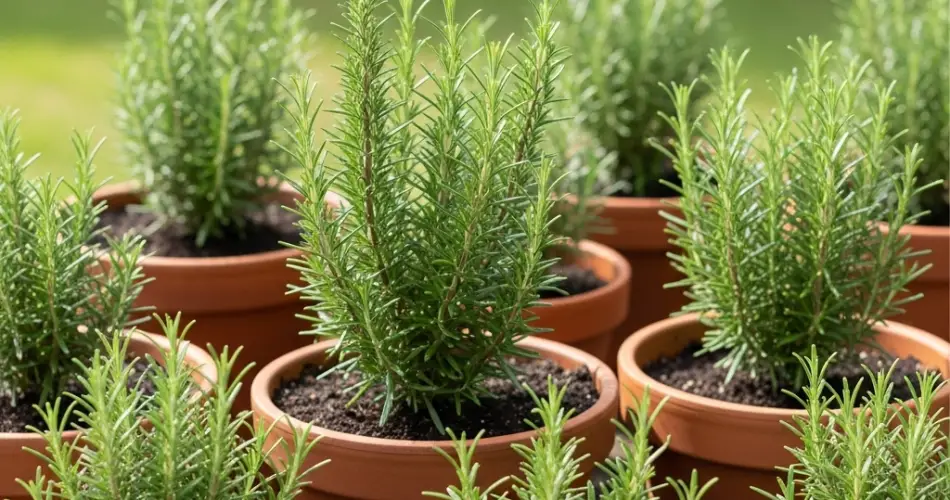
Rosemary (Salvia rosmarinus) is a fragrant, evergreen herb known for its needle-like leaves, bold flavor, and ornamental beauty. Often used in Mediterranean cooking, this woody herb pairs wonderfully with roasted meats, vegetables, and bread. While rosemary thrives in outdoor gardens in warm climates, it also adapts well to growing in pots—making it an excellent choice for small spaces, patios, and kitchen windowsills.
With the right conditions, rosemary can live for years in a container, providing fresh sprigs for culinary use and an attractive, aromatic presence in your home or garden. Here’s a comprehensive guide to growing rosemary in pots and keeping it thriving year-round.
Why Grow Rosemary in Pots?
Rosemary’s root system stays relatively compact, making it ideal for container gardening. Potting rosemary offers several benefits:
-
Mobility: Move the plant indoors during winter or reposition it to catch more sun.
-
Space-saving: Ideal for balconies, patios, or sunny kitchen counters.
-
Control: Easier to manage soil, water, and pruning than in-ground planting.
-
Aesthetic appeal: The woody stems and fragrant foliage make rosemary an attractive feature in herb arrangements or decorative pots.
Whether you’re an experienced gardener or a beginner, growing rosemary in a pot offers convenience and visual charm.
Choosing the Right Rosemary Variety
There are two general types of rosemary: upright and trailing. Both grow well in pots, but your choice depends on your space and design preferences.
-
‘Tuscan Blue’ and ‘Barbecue’: Upright varieties with strong stems and bold flavor, perfect for cooking.
-
‘Prostratus’: A low-growing, trailing type that looks beautiful cascading from pots or hanging baskets.
-
‘Arp’ and ‘Hill Hardy’: Cold-tolerant upright varieties for those in cooler regions.
All types offer the same signature scent and flavor, so you can’t go wrong with any choice.
Selecting the Best Container
Rosemary likes well-draining conditions and does not tolerate waterlogged soil. Choose a container that is:
-
At least 10–12 inches in diameter and depth
-
Made of clay, terracotta, or ceramic for better airflow
-
Equipped with drainage holes at the bottom
Avoid using containers without drainage, as this can quickly lead to root rot. Place a saucer under the pot if growing indoors to catch excess water.
Soil Requirements
Rosemary thrives in light, well-draining, slightly sandy soil. Avoid dense, moisture-retentive mixes.
For best results, use:
-
A cactus or succulent potting mix
-
Or, create your own blend with:
-
2 parts potting soil
-
1 part coarse sand or perlite
-
Optional: 1 part compost for nutrients
-
Aim for a soil pH between 6.0 and 7.5. Rosemary prefers a neutral to slightly alkaline environment.
Light and Temperature Needs
Rosemary loves full sun. It needs 6–8 hours of direct sunlight per day to thrive. Outdoors, place your pot in a sunny spot with good air circulation. Indoors, a south-facing window is ideal. If sunlight is limited, consider using a full-spectrum grow light.
This herb prefers temperatures between 65–80°F (18–27°C). In colder climates, bring the pot indoors before the first frost. Rosemary is sensitive to prolonged freezing and may not survive harsh winters outdoors unless protected.
Watering and Feeding
Rosemary is drought-tolerant once established and prefers to dry out between waterings. Follow these tips:
-
Water deeply when the top 1–2 inches of soil are dry.
-
Ensure water drains completely—never let the plant sit in standing water.
-
Reduce watering during winter or when the plant is indoors and less active.
Feed rosemary lightly during the growing season with a balanced liquid fertilizer every 4–6 weeks. Overfeeding can weaken the plant’s aroma and flavor, so err on the side of caution.
Pruning and Harvesting
Regular pruning helps rosemary stay compact and bushy. Once the plant is about 6 inches tall, you can begin harvesting:
-
Use clean scissors to cut 3–4 inch sprigs.
-
Snip just above a leaf node to encourage new growth.
-
Avoid cutting more than one-third of the plant at a time.
Pinch off flowers if your goal is to focus on flavorful foliage, as flowering can reduce leaf production. However, if allowed to bloom, rosemary produces small pale blue flowers that attract pollinators and add beauty.
Common Issues and Troubleshooting
-
Root rot: Caused by poor drainage or overwatering. Use a well-draining soil mix and water sparingly.
-
Leggy growth: Usually a result of insufficient sunlight. Move to a brighter spot or use a grow light.
-
Powdery mildew or aphids: Improve airflow and treat with natural remedies like neem oil or insecticidal soap if needed.
Repot rosemary every 1–2 years to refresh the soil and prevent root crowding. Choose a slightly larger pot if the plant outgrows its container.
Culinary Uses for Fresh Rosemary
Fresh rosemary adds depth and aroma to many dishes. Try using it to:
-
Flavor roasted meats and vegetables
-
Infuse olive oil or vinegar
-
Bake into focaccia and bread
-
Enhance marinades and stews
-
Brew into tea or herbal blends
To store, dry small bundles of rosemary upside down in a dark, well-ventilated area. Once dry, strip the leaves and store them in airtight containers.
Final Thoughts
Rosemary is a resilient, rewarding herb that adapts beautifully to pot culture. With the right container, soil, and sunlight, this Mediterranean favorite will thrive on your porch, balcony, or kitchen windowsill. Whether you grow it for culinary use, fragrance, or ornament, potted rosemary is an easy way to bring beauty and flavor into your home year-round.


