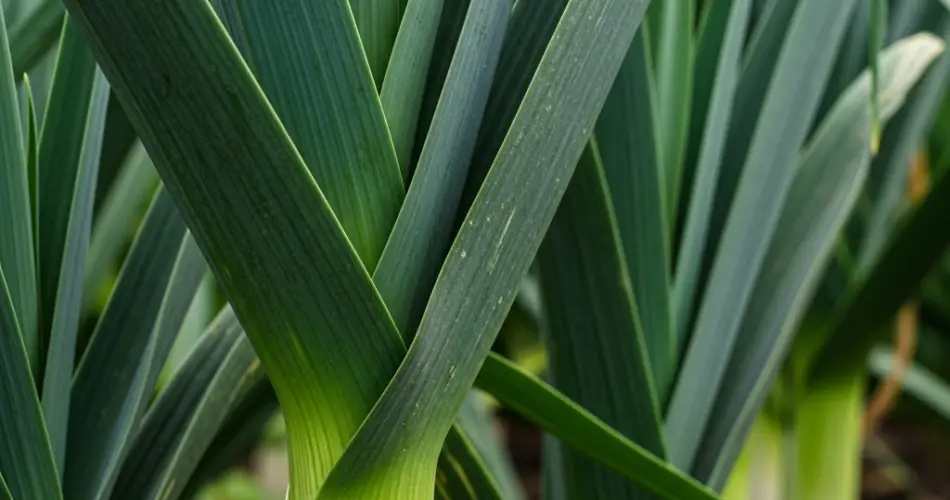
Leeks are a cool-season crop with a subtle onion-like flavor and a versatile presence in soups, stews, and sautés. While they grow slowly, leeks are well worth the wait and can be cultivated successfully by gardeners of all experience levels. Starting leeks from seed gives you greater control over timing and variety, and it can be highly rewarding when done right.
This guide covers everything you need to know to grow strong, flavorful leeks from seed—starting from sowing all the way to harvest.
Why Grow Leeks from Seed?
Leeks are often available as transplants, but growing them from seed has distinct advantages:
-
Cost-effective: A single packet of seeds can yield dozens of plants.
-
Greater variety: You can choose from early, mid, and late-season varieties to suit your growing conditions.
-
Stronger root development: Seed-grown leeks often establish better than store-bought starts.
While leeks grow slowly and require patience, starting them from seed allows for a longer harvest window and better adaptability to your soil and climate.
Step 1: Choose the Right Variety
There are three main categories of leeks based on harvest timing:
-
Early-season leeks: Milder flavor, less cold-tolerant, best for summer harvests.
-
Mid-season leeks: Balanced flavor and good for late summer to early fall.
-
Late-season leeks: Hardy, with thicker stems, suitable for overwintering and fall-to-winter harvest.
Popular varieties include:
-
King Richard: Fast-growing, great for early harvest.
-
Autumn Giant: Ideal for fall harvests.
-
Bandit: Extremely cold-hardy, good for winter growing.
Choose based on your climate and when you want to harvest.
Step 2: Start Seeds Indoors
Leek seeds should be started indoors 8–10 weeks before your last spring frost. Their slow growth rate makes early starting essential.
How to start seeds:
-
Use seed trays or small containers filled with a fine seed-starting mix.
-
Sow seeds about ¼ inch deep and ½ inch apart.
-
Keep the soil moist but not soggy.
-
Maintain a temperature of 65–75°F (18–24°C) for good germination.
-
Germination typically takes 7–14 days.
Once the seedlings are a few inches tall, trim the tops to about 3–4 inches. This encourages stronger roots and sturdier stems.
Step 3: Prepare Your Planting Site
Leeks thrive in full sun with rich, well-draining soil. Before transplanting, prepare the soil by working in plenty of compost or well-rotted manure. A slightly acidic to neutral pH (6.0–7.0) is ideal.
To encourage long, white stalks (the prized part of the leek), plan to plant them in trenches or deep holes and gradually fill them in as the plants grow—a method known as blanching.
Step 4: Transplanting Seedlings
When seedlings are about the width of a pencil (around 8–10 weeks old), they’re ready to transplant outdoors.
Transplanting process:
-
Harden off seedlings by placing them outdoors for increasing amounts of time over 7–10 days.
-
Create holes 6–8 inches deep using a dibber or stick.
-
Space leeks 6 inches apart in rows 12–18 inches apart.
-
Drop one seedling into each hole without filling the soil in. Watering will help settle them naturally.
This method allows the base to remain below ground, promoting a longer white shaft.
Step 5: Care and Maintenance
Watering
Leeks need consistent moisture throughout the growing season. Water deeply during dry spells, aiming for about 1 inch of water per week.
Fertilizing
Apply a balanced fertilizer or compost tea every few weeks, especially if your soil is low in nutrients.
Weeding
Keep the area around leeks weed-free to prevent competition for nutrients and water. Mulch can help suppress weeds and retain moisture.
Blanching
As leeks grow, hill soil or mulch around their bases every few weeks to blanch the stems and keep them tender.
Step 6: Harvesting
Leeks are ready for harvest when they reach about 1 inch in diameter, though they can be picked earlier for a milder flavor. To harvest:
Leeks can remain in the ground and be harvested as needed, especially late-season varieties that tolerate frost well.
Storage
Freshly harvested leeks can be stored in the refrigerator for up to two weeks. For longer storage:
-
Chop and freeze (note that texture will change).
-
Alternatively, leeks can be left in the ground through winter in milder climates and harvested when needed.
Final Thoughts
Growing leeks from seed takes time and care, but the payoff is a flavorful and versatile vegetable that enhances countless dishes. By selecting the right variety, starting seeds early, and practicing good transplanting and maintenance techniques, you’ll be rewarded with a bountiful harvest of homegrown leeks. With just a little patience, your kitchen will soon be stocked with one of the most underrated garden crops around.