Onion rot is a frustrating issue for many gardeners. It can destroy an entire crop just as the bulbs are starting to mature, leaving nothing but soft, mushy remains. Fortunately, preventing onion rot is completely possible with the right strategies. By understanding the causes, improving soil conditions, practicing crop rotation, and making smart watering choices, you can protect your onions from this devastating problem.
Understand the Causes of Onion Rot
There are several types of rot that affect onions, including basal rot, neck rot, and white rot. Most are caused by fungi or bacteria that thrive in certain environmental conditions. White rot, for example, is caused by Sclerotium cepivorum, a fungus that lives in the soil and attacks the roots and base of the bulb. Neck rot, on the other hand, often results from poor curing practices after harvest or high humidity during growth. Each of these issues has slightly different causes, but they often share common factors: excessive moisture, poor drainage, infected soil, and improper handling.
Choose the Right Location
Start by selecting a site with excellent drainage. Onions hate sitting in waterlogged soil. If your garden tends to stay wet after rain, consider planting onions in raised beds or rows to improve water runoff. Choose a location that receives at least 6 hours of direct sunlight daily. Good airflow is also crucial—planting too densely or in a spot with poor ventilation can increase humidity around your onions and promote fungal growth.
Improve Soil Health
Healthy soil is key to preventing onion rot. Before planting, test your soil’s pH—it should be slightly acidic to neutral, ideally between 6.0 and 7.0. Amend the soil with well-rotted compost to improve texture and drainage. Avoid using fresh manure, as it may introduce pathogens or excess nitrogen that encourages soft growth more prone to rot.
You can also incorporate natural antifungal amendments like neem cake, garlic extract, or composted pine bark to suppress harmful microbes. Consider rotating your onion bed with cover crops like mustard, which has biofumigant properties that help cleanse the soil.
Practice Crop Rotation
Never grow onions or other alliums (like garlic, leeks, or shallots) in the same spot two years in a row. Soil-borne pathogens can remain in the ground for years, so rotating crops is essential. Ideally, wait at least three years before planting onions in the same location again. Rotate with unrelated crops such as leafy greens, legumes, or corn to break the disease cycle.
Choose Resistant Varieties
Some onion varieties show better resistance to rot. When buying seeds or seedlings, look for cultivars noted for disease resistance, particularly against white rot or neck rot. Red and white onions tend to be more vulnerable than yellow ones, so take that into consideration if your area is prone to rot problems.
Water Wisely
Improper watering is one of the biggest contributors to onion rot. Onions prefer consistent moisture, but not soggy conditions. Water deeply but less frequently, allowing the top layer of soil to dry out between sessions. Avoid overhead watering, which can increase humidity around the neck of the plant. Drip irrigation or soaker hoses are ideal for keeping water at the base while minimizing leaf wetness.
Stop watering once the onion tops begin to fall over naturally, which signals the start of bulb maturation. Continuing to water at this stage can encourage rot, especially in wet climates.
Weed and Mulch Properly
Weeds compete with onions for nutrients and can increase moisture retention around the bulbs, creating a perfect environment for rot. Keep your beds well-weeded and apply a thin layer of mulch, such as straw or shredded leaves, to regulate moisture. Be careful not to pile mulch too close to the onion bulbs, as this can trap excess moisture and invite fungal issues.
Proper Harvesting and Curing
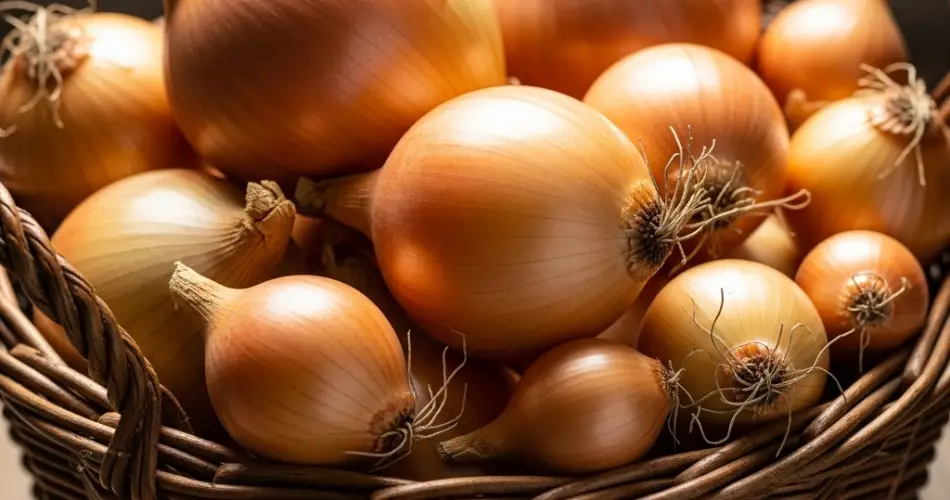
Rot can develop even after harvest if onions are not cured properly. When the tops dry and fall over, pull the onions and lay them out in a dry, shaded, and well-ventilated area. Allow them to cure for 2–3 weeks until the outer skins are papery and the necks are completely dry. Trim the tops and roots only after the bulbs are thoroughly cured. Store the onions in a cool, dry place with good air circulation.
Final Thoughts
Preventing onion rot is all about creating conditions where fungi and bacteria struggle to thrive. With good soil drainage, smart watering, crop rotation, and careful harvesting, you can grow healthy, rot-free onions season after season. Taking these steps early in your gardening cycle is the best way to avoid disappointment at harvest time.