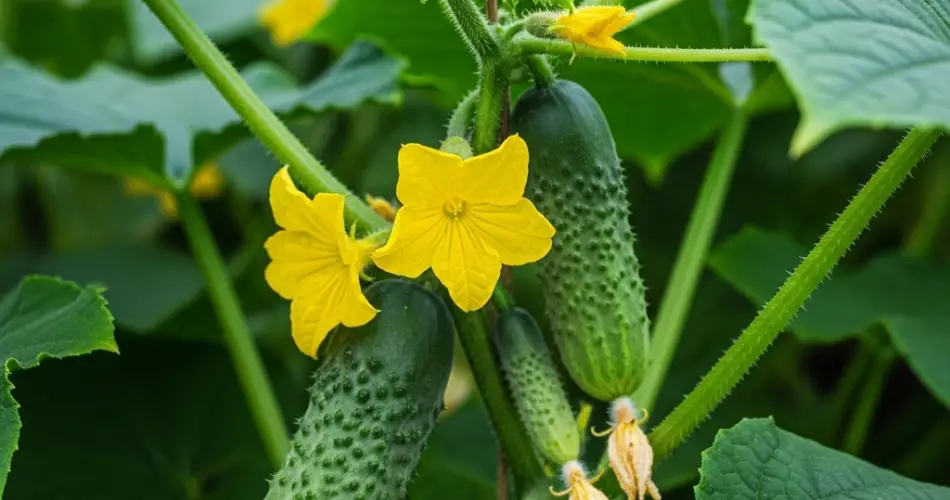
Cucumbers are a rewarding crop to grow, especially when they grow vigorously and produce abundant, crisp fruits. If you’re aiming for faster cucumber growth and healthier vines, the secret lies in giving your plants the right nutrients at the right time. Using natural fertilizers not only supports robust development but also keeps your garden eco-friendly. Here’s how to feed your cucumbers naturally for a thriving harvest.
Understanding Cucumber Nutrition Needs
Cucumber plants are fast-growing and heavy feeders. They require a well-balanced nutrient profile that includes nitrogen (for leaf and vine development), phosphorus (for root and flower formation), and potassium (for fruit production and plant health). Deficiencies in any of these can slow growth, cause poor flowering, or result in misshapen or bitter fruits.
In addition to the primary nutrients, cucumbers also benefit from secondary elements like calcium, magnesium, and micronutrients such as boron and zinc. A complete natural fertilization plan ensures your plants receive everything they need throughout their growth stages.
The Power of Compost and Aged Manure
Start with enriching your soil before planting. Compost and aged animal manure (such as cow, horse, or chicken) are foundational natural fertilizers. They not only provide slow-release nutrients but also improve soil structure, moisture retention, and microbial activity.
-
Compost: Apply a generous layer of finished compost (about 1–2 inches) and mix it into the topsoil before planting. This provides a broad range of nutrients and encourages healthy root development.
-
Aged Manure: If using manure, ensure it is well-rotted and not fresh, as fresh manure can burn plants. Incorporate it into the soil two to three weeks before planting.
Boost Growth with a Homemade Fertilizer Tea
To accelerate cucumber growth during the season, consider making a natural fertilizer tea. It’s easy to prepare and gives plants a quick nutrient boost.
Recipe:
-
1 part aged manure or compost
-
1 part chopped banana peels (rich in potassium)
-
1 part crushed eggshells (high in calcium)
-
1 tablespoon molasses (feeds beneficial microbes)
-
5 liters of water
Mix all ingredients in a bucket and let it steep for 3 to 5 days, stirring once daily. After steeping, strain the liquid and dilute it to half strength. Use this tea to water your cucumber plants every two weeks. It stimulates flowering, enhances root strength, and improves fruit set.
Natural Potassium Boosters
Potassium is especially important for cucumber fruiting. To enhance potassium levels, consider the following organic options:
-
Wood Ash: A small amount sprinkled around the base of your plants can supply potassium. Avoid using too much, as it may alter soil pH.
-
Banana Peel Powder: Dry and grind banana peels into a powder and sprinkle it into the soil near the root zone.
-
Seaweed Extract: Rich in trace elements and potassium, seaweed fertilizer promotes better flowering and resistance to stress.
When and How to Fertilize
Cucumbers benefit most when fertilized at these stages:
-
At Planting: Add compost or aged manure to enrich the soil base.
-
After Germination (2–3 weeks later): Use diluted compost tea or a balanced organic fertilizer.
-
During Flowering and Fruiting: Focus on potassium and phosphorus using banana peel tea or wood ash.
Apply fertilizers in the early morning or late afternoon, avoiding midday sun to reduce evaporation and stress. Water the plants thoroughly after applying dry fertilizers to help nutrients seep into the root zone.
Other Tips for Fast Growth
-
Mulch the soil with straw or shredded leaves to maintain moisture and suppress weeds.
-
Keep cucumbers well-watered, especially during flowering and fruiting. Inconsistent watering can lead to bitter fruits.
-
Use vertical supports like trellises to encourage better airflow, sun exposure, and easier harvesting.
-
Rotate crops annually to prevent nutrient depletion and soil-borne diseases.
Final Thoughts
With the right natural fertilizers, your cucumber plants can grow faster and yield more. Compost, manure, homemade teas, and potassium-rich boosters like banana peels and wood ash all contribute to a balanced, thriving cucumber patch. By feeding your plants organically and consistently, you’ll enjoy a bountiful harvest of crunchy, flavorful cucumbers straight from your garden.


