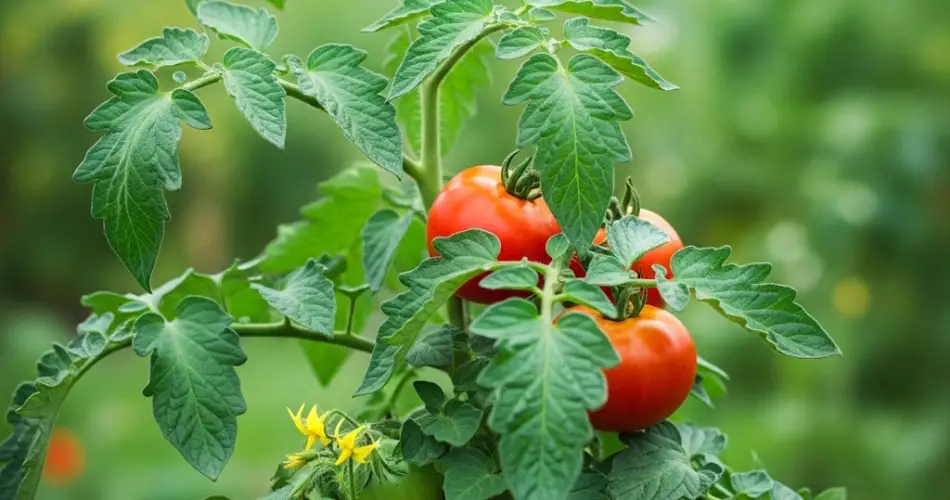
Tomatoes are among the most rewarding garden crops, and with a little care and attention, they can produce an abundance of delicious fruit all season long. One essential but often overlooked practice is pruning. While it may seem counterintuitive to cut back a healthy plant, strategic pruning can lead to stronger plants, better airflow, fewer diseases, and more productive yields.
This guide will show you exactly how and when to prune your tomato plants for maximum harvest, whether you’re growing in containers, raised beds, or directly in the ground.
Why Prune Tomato Plants?
Tomato plants are naturally vigorous and can grow into a tangled mess of foliage if left unpruned. While they may still produce fruit, unpruned plants often suffer from issues like:
-
Reduced airflow, leading to fungal diseases like blight or mildew
-
Shading of developing fruit, resulting in slower ripening
-
Overproduction of leaves at the expense of fruit
Pruning helps redirect the plant’s energy into fruit development rather than excessive foliage. It also makes the plant easier to manage, supports trellising systems, and promotes earlier and larger tomatoes.
Determinate vs. Indeterminate Tomatoes
Before pruning, it’s crucial to understand the type of tomato you’re growing:
-
Determinate varieties (bush types): These grow to a fixed size and produce one large crop over a few weeks. Pruning is minimal and generally not necessary except to remove dead or damaged leaves.
-
Indeterminate varieties (vining types): These continue growing and producing fruit all season. Pruning is highly recommended for these varieties to maintain productivity and control growth.
Make sure you know which type you have before proceeding with heavy pruning.
When to Start Pruning
Start pruning once your tomato plant is about 12–18 inches tall and has established a few strong sets of leaves and stems. The earlier you begin, the easier it is to maintain the plant’s structure throughout the season.
Avoid pruning when the plant is wet, as this can spread disease. Choose a dry morning or late afternoon on a sunny day to allow any wounds to heal quickly.
Step-by-Step: How to Prune Tomato Plants
1. Remove Suckers
The main focus of tomato pruning is the removal of suckers. These are the small shoots that grow in the “V” between the main stem and a leaf branch.
-
For indeterminate tomatoes, remove suckers when they’re 2–4 inches long.
-
Use clean garden scissors or pinch them off with your fingers.
-
Removing suckers redirects energy into fruit production rather than unnecessary stem growth.
Note: If you’re aiming for a very vigorous plant or late-season harvest, you can leave a few suckers to grow into secondary fruiting stems.
2. Trim Lower Leaves
As the plant grows, remove the bottom 6–12 inches of leaves. These lower leaves are more prone to soil splash and disease.
-
Prune any leaves that touch the soil or show signs of yellowing or damage.
-
This improves airflow and reduces the chance of soil-borne diseases.
3. Maintain One or Two Main Stems
For indeterminate tomatoes, choose one main stem (sometimes two for stronger growth) and remove all other side shoots and suckers. This vertical growth habit is ideal for staking or trellising.
-
Tie the main stem loosely to a stake or support system as it grows.
-
Continue removing any new suckers weekly to maintain structure.
4. Top the Plant (Optional)
Toward the end of the growing season, especially in cooler climates, you can “top” the plant. This involves cutting off the growing tip of the main stem.
-
Topping halts vertical growth and encourages the plant to focus energy on ripening existing fruit.
-
Do this about 4–6 weeks before the first expected frost for best results.
Common Pruning Mistakes to Avoid
-
Over-pruning: Removing too many leaves can expose fruit to sunscald or reduce the plant’s ability to photosynthesize.
-
Pruning determinate varieties: These plants don’t benefit from heavy pruning. Only remove diseased or broken branches.
-
Dirty tools: Always use clean, sharp pruners to avoid spreading disease.
-
Pruning when wet: This increases the risk of fungal infection.
Supporting Pruned Tomato Plants
Proper support is key to maintaining the shape of a pruned tomato plant. Use stakes, cages, or trellises to support the central stem and keep fruit off the ground.
-
Tie stems loosely with soft ties or twine.
-
Continue training and tying up the plant as it grows taller.
Final Thoughts
Pruning tomatoes may seem intimidating at first, but with a little practice, it becomes a simple and effective way to boost your garden’s productivity. By removing unnecessary suckers, trimming lower leaves, and maintaining good airflow, you’ll have healthier plants and bigger, more flavorful tomatoes. Whether you’re a beginner or an experienced gardener, pruning is one habit that can make a major difference in your tomato harvest.


