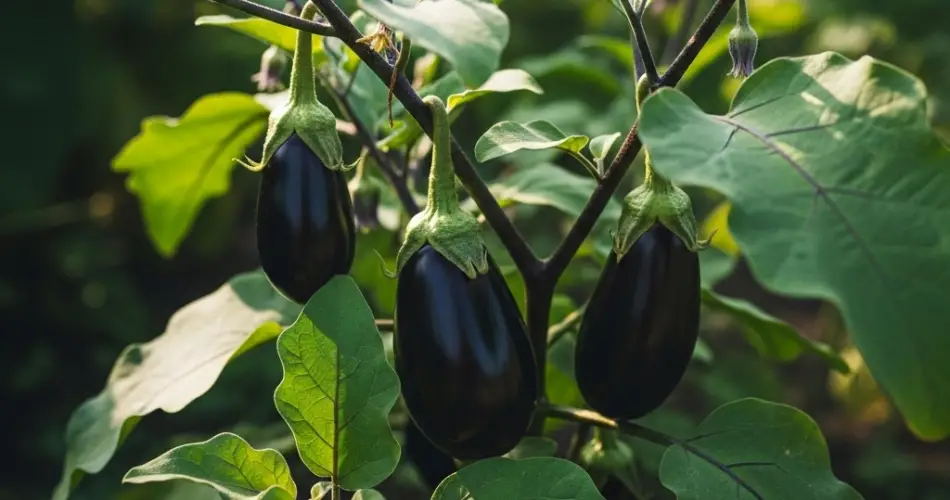
Companion planting is a smart gardening technique that allows different plant species to support each other when grown nearby. When it comes to eggplants, also known as aubergines, choosing the right companions can enhance growth, deter pests, and improve overall yield. This guide explains the best plants to grow alongside eggplants, why they work well, and which plants to avoid.
Benefits of Companion Planting for Eggplants
Eggplants thrive in warm climates and nutrient-rich soil, but they can be vulnerable to pests such as flea beetles, aphids, and spider mites. Companion planting can provide natural pest control, improve pollination, and even enrich the soil. Some plants mask the scent of eggplant to confuse pests, while others attract beneficial insects or act as a living mulch to suppress weeds.
Top Companion Plants for Eggplant
1. Beans
Beans, especially bush beans, are among the best companions for eggplants. They fix nitrogen in the soil, a vital nutrient for leafy and fruiting growth. This helps feed eggplants naturally while improving soil fertility for the entire garden bed.
2. Marigolds
These colorful flowers are known for their strong scent, which repels many common garden pests. Marigolds deter nematodes, aphids, and whiteflies that often attack eggplants. Plant them around the perimeter of your eggplant patch to form a protective barrier.
3. Basil
This aromatic herb enhances the flavor of eggplants and also acts as a pest deterrent. Basil repels aphids, spider mites, and mosquitoes while attracting pollinators like bees. Its compact growth makes it easy to tuck between eggplants without competing for resources.
4. Thyme
Thyme is another fragrant herb that helps keep harmful insects at bay. It’s particularly effective against cabbage worms and loopers. Plant thyme near the base of eggplants to maximize protection without shading them.
5. Nasturtiums
These trailing flowers are an excellent trap crop. They lure aphids, beetles, and whiteflies away from eggplants, protecting them from infestation. Nasturtiums are also edible and beautiful, adding both utility and aesthetics to the garden.
6. Peppers
Eggplants and peppers belong to the nightshade family and have similar soil, water, and light requirements. They grow well together, although care should be taken to monitor for shared pests and diseases.
7. Spinach and Lettuce
These low-growing greens act as living mulch. They help retain soil moisture and suppress weeds while not competing heavily with eggplants. Since they grow quickly, they can be harvested before the eggplants reach full size.
8. Catnip
Known to repel flea beetles, catnip can be planted near eggplants to protect them from one of their most notorious pests. Be sure to plant catnip in containers or manage its spread carefully, as it can become invasive.
Plants to Avoid Near Eggplants
Not all plants are beneficial neighbors for eggplants. Some can attract pests or compete for nutrients.
-
Fennel: This plant releases compounds that inhibit the growth of many vegetables, including eggplants.
-
Corn: Corn attracts aphids, which also target eggplants. It also competes heavily for nutrients.
-
Potatoes: As another nightshade, potatoes are susceptible to the same diseases and pests. Planting them together increases the risk of spreading blight and other infections.
-
Geraniums: While often beautiful, geraniums attract pests like spider mites, which can damage eggplants.
Tips for Successful Companion Planting
-
Spacing: Ensure that companion plants do not overcrowd the eggplants. Adequate airflow prevents disease and allows each plant to access sunlight.
-
Soil Health: Rotate crops and avoid planting eggplants or their close relatives in the same spot every season to reduce the risk of soil-borne diseases.
-
Pest Monitoring: Even with companion planting, regular inspection is essential. Use neem oil or insecticidal soap if infestations occur.
Final Thoughts
Growing eggplants with the right companions not only boosts their productivity but also enhances your garden’s overall health. By integrating beans, herbs like basil and thyme, pest-repelling flowers, and leafy greens, you create a diverse and resilient garden ecosystem. Avoid incompatible neighbors like fennel and potatoes, and maintain good gardening practices to enjoy a thriving eggplant harvest season after season.


