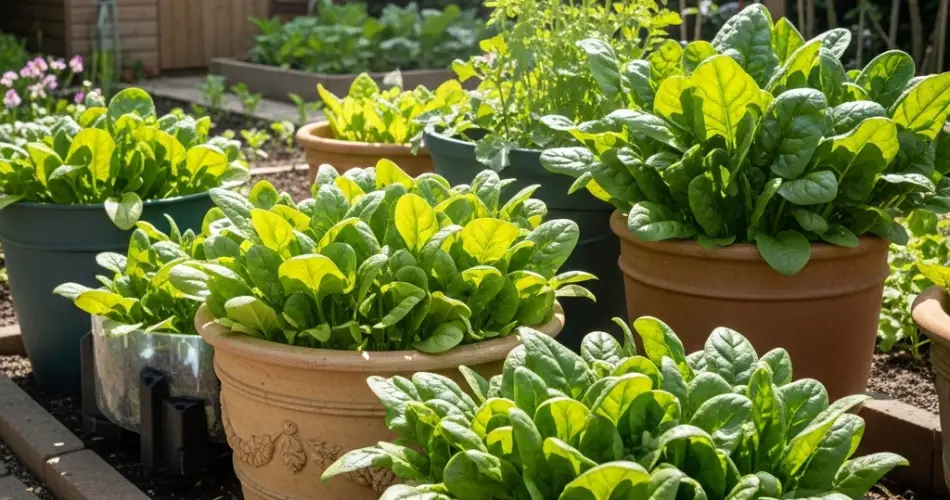
Spinach is one of the healthiest and most versatile leafy greens you can grow at home. Whether you’re working with a small balcony, patio, or even a sunny kitchen corner, growing spinach in containers is simple, productive, and rewarding. It’s fast-growing, cold-tolerant, and doesn’t require much space—making it a perfect crop for beginners and busy gardeners alike.
This comprehensive guide covers everything you need to know to successfully grow spinach in containers, from selecting the right variety to harvesting crisp, nutritious leaves for your meals.
Why Grow Spinach in Containers?
Spinach is a cool-season crop with shallow roots, making it ideal for container gardening. With the right care, you can grow fresh spinach year-round in mild climates or even indoors.
Benefits of growing spinach in containers include:
-
Requires little space
-
Ideal for balconies, windowsills, and patios
-
Easy to manage water and soil conditions
-
Fewer pest and disease problems
-
Can be moved to avoid harsh weather
-
Allows for quick harvesting and replanting
Choosing the Best Spinach Varieties for Containers
Not all spinach varieties are the same. Some are better suited for compact growing environments. When selecting seeds, look for varieties labeled as “baby leaf,” “compact,” or “container-friendly.”
Top varieties to consider:
-
Bloomsdale Long Standing – Hearty and slow to bolt
-
Baby’s Leaf Hybrid – Great for small containers and quick harvests
-
Space – Disease-resistant and fast-growing
-
Tyee – Good tolerance to heat and bolting
What You’ll Need
To get started with container-grown spinach, prepare the following supplies:
-
A container at least 6–8 inches deep with good drainage
-
Lightweight potting soil with compost or organic matter
-
Spinach seeds
-
A watering can or spray bottle
-
A sunny location that receives 4–6 hours of daily sunlight
Step-by-Step: Planting Spinach in Containers
1. Choose the Right Container
Spinach doesn’t need deep pots, but it does benefit from wide containers that allow spacing between plants. Choose one with proper drainage holes to prevent water buildup and root rot.
2. Fill with Soil
Use a high-quality potting mix that’s loose and rich in organic matter. Mix in compost or worm castings for a nutrient boost. Avoid using garden soil, which can compact and restrict root growth in containers.
3. Sow the Seeds
Plant spinach seeds about ½ inch deep and 2 inches apart. If you’re growing for baby greens, you can sow more densely. Lightly cover the seeds with soil and gently water to moisten.
4. Provide Light and Water
Place the container in a location that gets partial to full sun—ideally 4–6 hours of sunlight per day. In hot weather, provide some afternoon shade to prevent bolting.
Keep the soil consistently moist, especially during germination. Use a spray bottle or gentle watering can to avoid washing away the seeds.
Easy Care Tips for Healthy Spinach
Spinach doesn’t require intensive care, but a few small actions will help keep your container plants thriving.
-
Watering: Spinach prefers evenly moist soil. Don’t let it dry out completely, but avoid soggy conditions. Water when the top inch feels dry.
-
Thinning: Once seedlings are 2–3 inches tall, thin them to about 4 inches apart to allow full leaf development. Use the thinnings in a salad!
-
Feeding: Every 2–3 weeks, apply a diluted liquid fertilizer or compost tea to support healthy, leafy growth.
-
Mulching (optional): A thin layer of mulch helps retain moisture and suppress weeds if your container is large enough.
Harvesting Your Spinach
Spinach is typically ready for harvest within 30–45 days after planting. You don’t need to wait for the entire plant to mature—use the cut-and-come-again method for ongoing harvests.
To harvest:
-
Use scissors to snip outer leaves when they reach 4–6 inches long.
-
Leave the center intact so the plant continues producing.
-
Avoid cutting more than one-third of the plant at a time.
For baby spinach, harvest the whole plant when leaves are still young and tender.
Common Problems and Simple Solutions
Problem: Leaves turning yellow
-
Cause: Overwatering or nutrient deficiency
-
Solution: Reduce watering and apply a balanced fertilizer
Problem: Plants bolting (flowering early)
-
Cause: Too much heat or long daylight exposure
-
Solution: Provide shade during hot afternoons or plant earlier in the season
Problem: Slow growth
-
Cause: Poor soil or crowded seedlings
-
Solution: Thin seedlings and refresh soil with compost
Success Tips for Continuous Harvests
-
Succession Planting: Sow new seeds every 2–3 weeks for a continuous supply of spinach.
-
Rotate Crops: After a few harvests, give your container a break or plant a different leafy green to avoid soil fatigue.
-
Grow Indoors: In colder months, move your container indoors near a sunny window or use a grow light for year-round greens.
Final Thoughts
Container-grown spinach is a convenient and practical way to enjoy fresh, homegrown greens no matter where you live. With fast results, minimal effort, and flexible growing conditions, spinach makes an excellent addition to any small-space garden.
Whether you’re planting on a balcony, kitchen counter, or patio table, spinach will reward you with healthy leaves and satisfying harvests. Grab a container, scatter a few seeds, and start growing your own delicious spinach today.


